Federal Appeals Court Rejects Trump Mail Ballot Order
Explorehotelworld.com – The Federal appeals court rejects Trump attempt to enforce key provisions of his mail ballot executive order ahead of the midterm elections. In a 2-1 decision on Saturday, the First U.S. Circuit Court of Appeals declined to suspend a lower court ruling that invalidated several sections of President Donald Trump’s March directive. The ruling impacts 23 states with Democratic governors and could eventually reach the U.S. Supreme Court before November’s elections.
Justice Department attorneys signaled they would seek emergency relief from the nation’s highest court after losing this round. The administration argued that states filed their lawsuit prematurely, claiming federal agencies needed more time to implement the executive order’s requirements. However, the appellate judges found that the plaintiff states faced imminent election deadlines and had already begun adjusting their voting procedures.
What the Executive Order Requires
As the district court reasoned, the (executive order) lays out a clear set of rapidly approaching deadlines by which states must coordinate with federal officials and comply with new voting procedures.
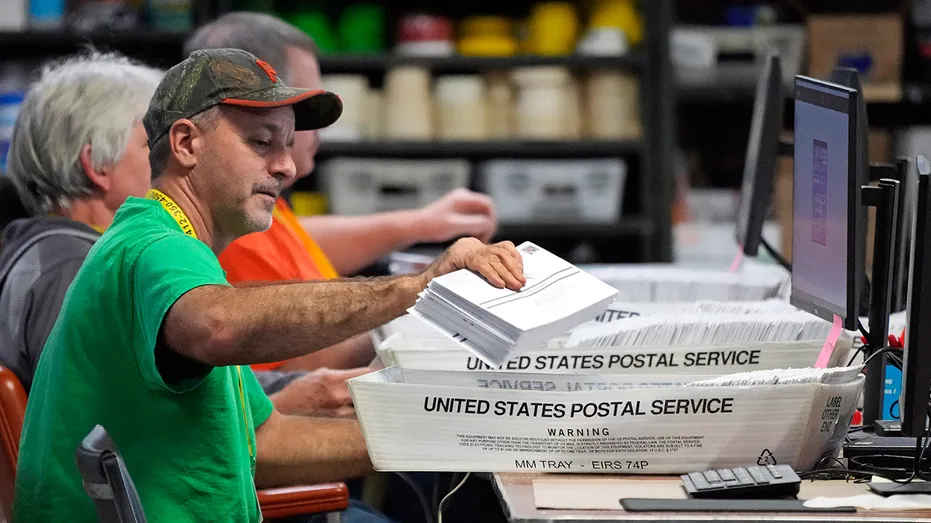
Trump signed Executive Order 14399 in March as part of his election integrity agenda. The order contains three main mandates: it directs the Department of Homeland Security to create verified voter lists and share them with states; it instructs the Postal Service to establish new mail ballot standards; and it orders the Justice Department to investigate election officials who send federal ballots to ineligible recipients.
State Arguments and Legal Challenges
Twenty-three states and the District of Columbia brought the lawsuit, with California, Massachusetts, Nevada, and Washington leading the challenge. These states argue that the Constitution gives them primary control over federal election administration and that the president exceeded his authority by forcing federal agencies to impose additional voting rules. U.S. District Judge Indira Talwani agreed with the states in June, blocking federal agencies from enforcing several provisions in the plaintiff states through the November 3 elections.
The appellate court’s decision maintains Judge Talwani’s injunction while the appeal continues. The White House and Justice Department did not immediately respond to questions about the ruling. For more on election law developments, see [Fox News Election Coverage](https://www.foxnews.com/politics/election-2024).
What This Means for Voters
This ruling represents a significant hurdle for the administration’s plan to standardize voting procedures nationwide. The 23 states involved cover a large portion of the country’s electoral map, showing strong regional pushback against federal election intervention. Legal scholars believe the Supreme Court may need to decide whether the president has enough constitutional power to direct federal agencies on voting matters, especially when such orders conflict with state authority.
The timing matters because states must complete their voting preparations well before Election Day. The appellate court concluded that states cannot pause their response to the executive order while waiting for further legal clarity. If the administration takes this case to the Supreme Court, the high court’s verdict could reshape mail-in voting across America for years.
Frequently Asked Questions
Which states are affected by this ruling? The 23 states involved in the lawsuit include California, Massachusetts, Nevada, Washington, and others with Democratic leadership. These states can continue operating under the district court’s injunction until the appeal concludes.
What happens next in this legal case? The Justice Department may file an emergency appeal with the U.S. Supreme Court. The high court will decide whether to hear the case and potentially issue its own ruling before the midterm elections.
How does this affect mail-in voting? States in the plaintiff group can continue following the district court’s guidance rather than implementing the executive order’s mail ballot requirements. This means voters in these states may see different procedures than in states where the order takes effect.
When are the midterm elections? The federal midterm elections are scheduled for November 3, 2024. All states must finalize their voting protocols before this date to ensure ballots can be counted properly.