Trump Administration’s New ID Requirement for Federal Student Aid Saves Over $200 Million in Fraud Within Two Months
Trump admin requiring gov issued ID – Less than two months after its implementation, the Department of Education (ED) reported that its stringent new identity-verification policy has successfully intercepted nearly $200 million in fraudulent claims. This initiative, launched on April 27, mandates that high-risk applicants present official government-issued identification when seeking federal student aid. The policy is part of a broader strategy to combat identity theft and ensure the integrity of financial assistance programs.
Fraud Detection Integrated into FAFSA Application
The ED has embedded a real-time fraud-detection tool directly into the online FAFSA (Free Application for Federal Student Aid) system. This measure evaluates each applicant’s identity during the submission process, identifying potential risks before funds are dispersed. “Our new fraud detection tool is at the FAFSA form level,” explained James Bergeron, Deputy Under Secretary of Education and Acting Federal Student Aid Chief Operating Officer, in a statement to Fox News Digital. “It stops fraud at the start of the process before the money goes out the door, which is a big priority for the task force.”
“Since we launched it, we’ve prevented nearly $200 million from falling into the hands of fraudsters,” Bergeron told Fox News Digital.
The tool’s integration marks a significant shift from previous policies, which had reduced verification steps during the pandemic. Under the Biden-Harris administration, key safeguards were relaxed, leading to fewer identity checks and a higher risk of financial exploitation. The ED argues that these changes created vulnerabilities, allowing more fraudulent activities to go undetected. By reinstating strict verification protocols, the agency aims to restore confidence in the student aid system.
Federal Data Sharing Cuts Identity Theft Losses
As part of this effort, the ED has expanded data-sharing agreements with the Social Security Administration. This collaboration has already yielded tangible results, with officials crediting the initiative with saving taxpayers $30 million by identifying identity theft cases and preventing payments to deceased individuals. “American citizens have to present an ID to drive a car, to get on a plane,” Bergeron reiterated. “So we only think that it’s right that folks should have to verify their identity to access the tens of thousands of taxpayer dollars that go to fund post-secondary education.”
Targeting Modern Scams and Sophisticated Fraud
The enhanced security measures are designed to counter evolving threats, including AI-generated bots and “ghost students” — fraudulent identities created by bad actors to siphon off taxpayer funds. These sophisticated schemes have exploited gaps in the system, particularly within large educational institutions like California’s Community College System. Federal records indicate that California experienced the highest rate of fraud attempts, with the state accounting for $171 million of the blocked funds.
“Applicants who display a certain level of fraud risk will now be required to present government-issued identification before accessing federal student aid funds such as Pell Grants and federal student loans,” the department previously announced.
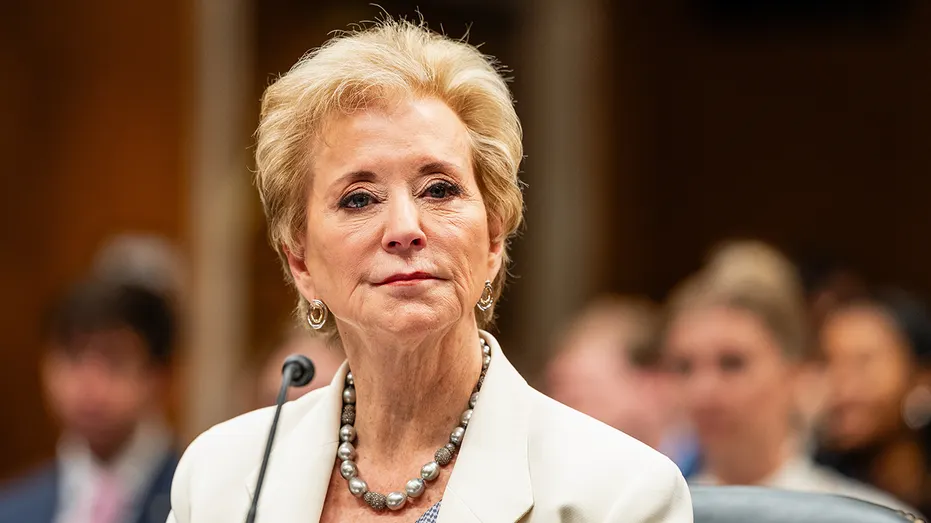
Education Secretary Linda McMahon has directed a comprehensive review of all student aid programs to further tighten safeguards. This includes partnerships with the U.S. Department of Homeland Security to ensure that federal aid does not flow to illegal immigrants. The combined efforts are projected to save over $1 billion in the current FAFSA cycle, according to department estimates.
California’s Role in the Fraud Crisis
California has emerged as a focal point in the fight against student aid fraud, with a disproportionate share of attempted scams. The state’s Community College System, in particular, has been a hotspot for identity-based fraud, as its large student population and streamlined processes make it an attractive target for exploiters. The ED’s recent data highlights how the state’s unique challenges have necessitated targeted interventions.
“Federal records indicate that California experienced the highest rate of fraud attempts,” the agency noted.
The department has also emphasized the importance of public awareness in preventing fraud. Recently, it launched updated online resources to educate families about predatory “fake college websites” that use AI-generated content to deceive students. These digital scams have become increasingly prevalent, with the ED warning that they pose a growing threat to the integrity of financial aid programs.
Broader Implications of the Policy Shift
The new requirement reflects a broader shift in the administration’s approach to fraud prevention. By enforcing mandatory identity checks, the ED is ensuring that only verified individuals can access aid, reducing the likelihood of misdirected funds. This has been particularly effective in targeting “ghost students,” who have previously siphoned millions in loans under false pretenses.
Officials credit the program’s success to its ability to detect risks at the earliest stages of application. Unlike previous systems, which relied on post-submission verification, the real-time approach allows for immediate action. This proactive strategy has not only saved money but also streamlined the process for legitimate applicants, minimizing disruptions while enhancing security.
Combating Predatory Schemes Through Technological Advancements
With the rise of technology-driven fraud, the ED has adapted its methods to include AI detection and automated screening. These tools are particularly effective against bots that can rapidly submit false applications, inflating the number of fraudulent requests. The department’s focus on modernizing its fraud detection systems aligns with its goal of protecting taxpayer resources from exploitation.
James Bergeron emphasized the necessity of these measures, stating that the pandemic era’s relaxed policies left the system vulnerable. “We’ve seen a surge in sophisticated fraud tactics that require more advanced tools to counter,” he said. The ED’s new approach aims to close these loopholes, ensuring that federal student aid is distributed fairly and efficiently.
Long-Term Impact on Student Aid Integrity
The policy’s immediate impact has been impressive, but officials are already looking toward long-term benefits. By making identity verification a standard part of the application process, the ED hopes to create a more resilient system that can adapt to future threats. This includes ongoing collaboration with agencies like the Social Security Administration and the Homeland Security Department to share data and enhance monitoring capabilities.
While the program has already saved over $200 million in the first two months, the ED estimates that these measures could prevent hundreds of millions more in the coming years. The success of the initiative underscores the importance of maintaining robust verification processes, even in the face of pandemic-related changes that initially prioritized speed over security.
As the administration continues to refine its fraud detection strategies, the focus remains on reducing losses and protecting the financial interests of American taxpayers. The new mandate represents a critical step in restoring trust in the federal student aid system and ensuring that resources reach the intended recipients without being siphoned by fraudsters.