Usha Vance mocks New York Times over pregnancy fashion
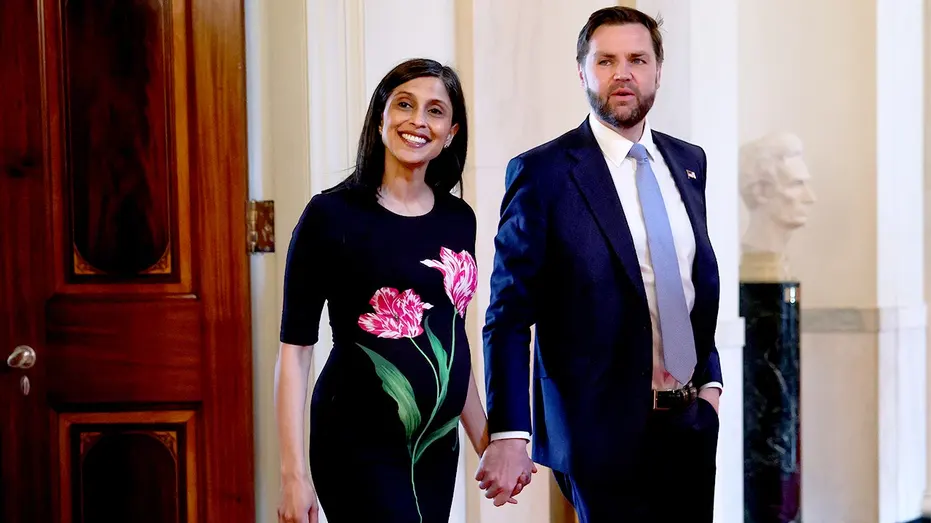
Usha Vance mocks New York Times – Second Lady Usha Vance took a humorous jab at The New York Times for interpreting her maternity wear as a political statement. In a witty response on X, she challenged the media outlet’s focus on the symbolic weight of her clothing choices, highlighting the irony of assigning significant political meaning to simple fashion decisions. The Times had previously published an article titled “The Politics and Power of the Pregnancy Image,” which analyzed how the maternity styles of three influential women—including Vance, White House press secretary Karoline Leavitt, and Katie Miller—were perceived through a political lens. Vance’s comment, which included a screenshot of her Old Navy receipt, underscored her playful yet pointed critique of the Times’ over-analysis, while also drawing attention to the broader cultural conversation about media scrutiny of personal appearance.
The NYT’s Interpretation of Maternity Wear
The New York Times article, released on Wednesday, began by examining Usha Vance’s social media post featuring a stretchy coral maternity dress. The piece questioned whether the specific fit of the garment was a deliberate effort to project a particular image, suggesting that the administration’s aesthetic choices were part of a larger narrative. “By showcasing their growing stomachs,” the article noted, “the trio has created a consistent visual message that aligns with the White House’s family-centric approach.” This interpretation came as the media continued to dissect how personal fashion could reflect political strategy, especially in a context where the Trump administration has long used appearance as a tool to shape public perception.
Fashion critic Vanessa Friedman contributed to the discussion, drawing parallels between the women’s maternity wear and the established dress code for men in the Trump administration. She argued that while men had adopted a uniform style aligned with President Trump’s image, the women were now expected to conform to a similarly deliberate aesthetic. This critique led to broader debates about the role of media in attributing political significance to every detail of a public figure’s wardrobe, with some questioning whether such interpretations overshadow the substance of their policies or achievements.
Political Messaging Through Maternity Fashion
Vance’s response to the Times’ analysis was both a defense of her personal style and a critique of the media’s tendency to overanalyze. By sharing her Old Navy receipt, she subtly emphasized the affordability of her outfit, turning the spotlight back on the Times for focusing on the cost of her dress rather than its meaning. “Now that we know the political significance of my $8.75 coral maternity dress,” she quipped, “can’t wait to hear what the New York Times has to say about my elastic-waistband pants and compression socks!” The comment resonated with many, as it encapsulated the tension between personal expression and political symbolism in the public eye.
The Times’ piece also touched on the implications of these fashion choices for the administration’s messaging. It suggested that the consistent use of maternity wear by these women could be a deliberate effort to reinforce themes of family unity and traditional values. This perspective has sparked discussions about whether the media is overstepping by linking personal attire to political narratives, particularly when the focus is on women’s roles in shaping the administration’s image. Critics argue that such interpretations risk reducing complex personal choices to mere political gestures, a trend they believe has been amplified by the media’s emphasis on visual storytelling.
Reactions and Broader Context
Usha Vance’s response has elicited a mixed reaction from the public. While many praised her wit and ability to defuse the Times’ critique with a lighthearted comment, others criticized the outlet for turning a simple maternity outfit into a political spectacle. The piece also drew comparisons to other media coverage, such as the recent “trans dad” article that was accused of promoting an ideological agenda through its portrayal of fatherhood. These connections highlight the ongoing debate about how the media frames women’s choices, whether in fashion, family roles, or social identity, and whether such framing serves to enhance or distort their public image.
The discussion surrounding Vance’s maternity wear underscores the intersection of media, politics, and personal identity. By mocking the Times’ focus on her fashion choices, Vance not only highlighted the absurdity of assigning political weight to such decisions but also sparked a wider conversation about the expectations placed on women in the public sphere. Her comment serves as a reminder that while media can shape narratives, the responsibility lies with the audience to interpret them with context and nuance. This incident has become a microcosm of the broader tension between personal expression and political symbolism in today’s media landscape.