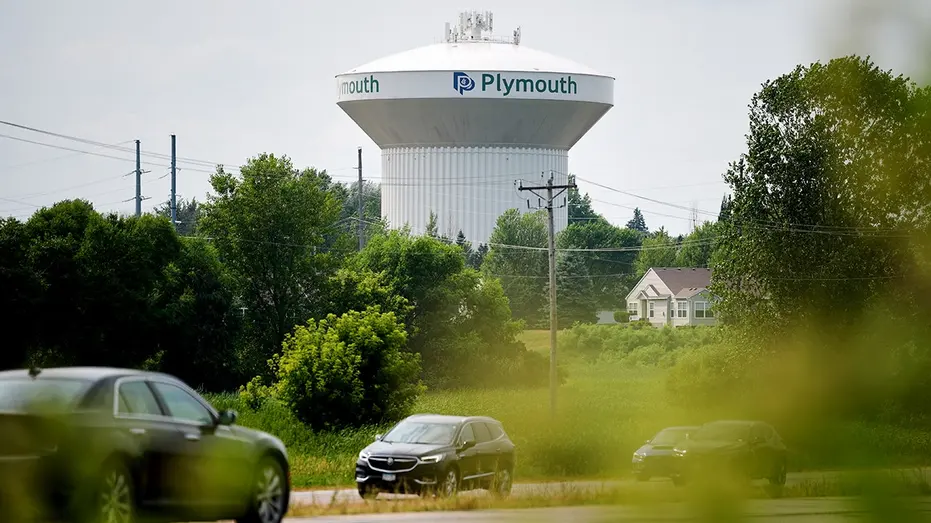
Iranian Hackers Suspected in Minnesota Water Systems Cyberattack
Explorehotelworld.com – Investigators believe Iranian hackers are likely responsible for a coordinated cyberattack that disrupted operations across dozens of Minnesota’s water infrastructure systems. The assault struck more than thirty community water facilities over Sunday and Monday, prompting a comprehensive investigation by federal and state authorities. According to multiple reports, the incident targeted operational technology within the state’s water systems, causing widespread but temporary disruptions.
Minnesota IT Services, known as MNIT, confirmed that the cyber incident specifically targeted operational technology within the state’s water systems. Despite the widespread disruption, the Minnesota Department of Health has indicated that no active requests have been received from local municipalities asking residents to alter their drinking water consumption habits. The agency continues to monitor the situation closely as investigators gather additional evidence.
Investigation Points Toward Iranian Involvement
According to The New York Times, U.S. and state officials, along with other individuals familiar with the situation, believe Iranian hackers were responsible for the coordinated assault. Three state officials who received briefings on the investigation revealed that the technical methods employed and the lack of any ransom demand led analysts to initially conclude that Iran was the primary suspect. This assessment aligns with previous cyber incidents attributed to Iranian state-sponsored groups.
Officials also cautioned that the assessment could change as more data is collected by investigators, according to the newspaper.
The investigation remains ongoing, with MNIT noting that the state has not yet formally attributed the activity to a particular actor. The agency continues to work alongside federal, state, local, Tribal, and private-sector partners to examine the attack, assist impacted communities, and enhance the security posture of Minnesota’s essential infrastructure.
Trump Criticizes Minnesota’s Response
During a Cabinet meeting on Friday, President Donald Trump expressed skepticism about the attribution to Iran, instead placing responsibility on local leadership. He stated that he would hold Minnesota and its governor accountable for what he characterized as inadequate cybersecurity measures. The President continued by suggesting that Iran should be fortunate that the incident occurred in Minnesota, noting that Tehran faces more significant challenges elsewhere.
“Today, I just want to mention that, we heard in Minnesota there was a cyberattack, and they blame it on Iran. I don’t think so. I think I blame it on Minnesota because they’re grossly incompetent. There was a cyberattack of 30 water plants, and I would blame it on Minnesota and the governor, the corrupt governor of Minnesota,” Trump said, referencing Minnesota Gov. Tim Walz, a Democrat.
Impact on Local Communities
The hackers specifically targeted infrastructure used to manage and monitor water towers operated by municipal governments. Nate George, the mayor of Braham, reported that a plant operator discovered the water tower was requesting water while the well remained nonfunctional. After learning that similar problems were occurring in at least four other Minnesota communities, Braham staff determined that the plant’s computerized control system had been compromised.
“After learning that similar problems were occurring in at least four other Minnesota communities, Braham staff determined that the plant’s computerized control system had been compromised,” he continued.
Public works personnel isolated the affected system, restored a backup, and restarted the plant within approximately ninety minutes. During this period, residents continued receiving water from the city’s water tower, though city administration temporarily requested conservation to prevent the tower’s limited supply from being exhausted. Similar incidents have been reported in neighboring states, highlighting the broader vulnerability of critical infrastructure.
Federal and State Response
The FBI issued a statement to Fox News Digital on Friday confirming awareness of recent public reporting concerning the Water and Wastewater sectors. The bureau emphasized that it and its interagency partners are fully engaged in protecting critical infrastructure and remain well-equipped to address cyber threats of all varieties. John Israel, MNIT assistant commissioner and Minnesota’s chief information security officer, emphasized the need for a coordinated, whole-of-government response to such incidents.
“Cyberattacks against critical infrastructure require a coordinated, whole-of-government response,” John Israel, MNIT assistant commissioner and Minnesota chief information security officer, said in a statement.
Israel told the Times that the breach was first detected on Sunday and that hackers targeted thirty-six municipal water systems. He noted that while Minnesota was among the early detectors of this sophisticated attack, the full scope of the intrusion is still being evaluated. The state has implemented additional monitoring protocols to detect any potential follow-up attempts by the same threat actors.
What Residents Should Know
While the cyberattack caused operational disruptions, officials have confirmed that water quality remains unaffected. Residents are advised to continue normal water usage patterns but may want to conserve water during peak hours to ensure adequate supply from the water towers. MNIT has established a dedicated hotline for municipalities and residents to report any unusual water system behavior or connectivity issues.
The investigation into the cyberattack continues, with federal agencies providing technical assistance to affected communities. Officials expect to release a more detailed attribution report within the coming weeks as forensic analysis of the attack vectors progresses. Updates on the investigation will be posted on the MNIT website as new information becomes available.
Frequently Asked Questions
Was the drinking water affected by the cyberattack?
No. The Minnesota Department of Health confirmed that the cyberattack targeted the control systems of water facilities, not the water quality itself. Residents can continue drinking water normally without any health concerns.
How many water systems were impacted?
According to MNIT officials, thirty-six municipal water systems were targeted by the hackers. The attack primarily affected water towers and their associated control systems across multiple communities in Minnesota.
Is there a risk of follow-up attacks?
Officials have stated that while the initial assessment points to Iranian hackers, the investigation is ongoing. Additional monitoring protocols have been implemented to detect any potential follow-up attempts by the same threat actors.
What should residents do if they notice water system issues?
Residents who observe unusual water system behavior, such as unexpected water tower activity or connectivity problems, should contact their local municipality or call the MNIT dedicated hotline for assistance.