Daftar Isi
Cash Strapped DNC Shelled Out More to Territories Amid Debt Concerns
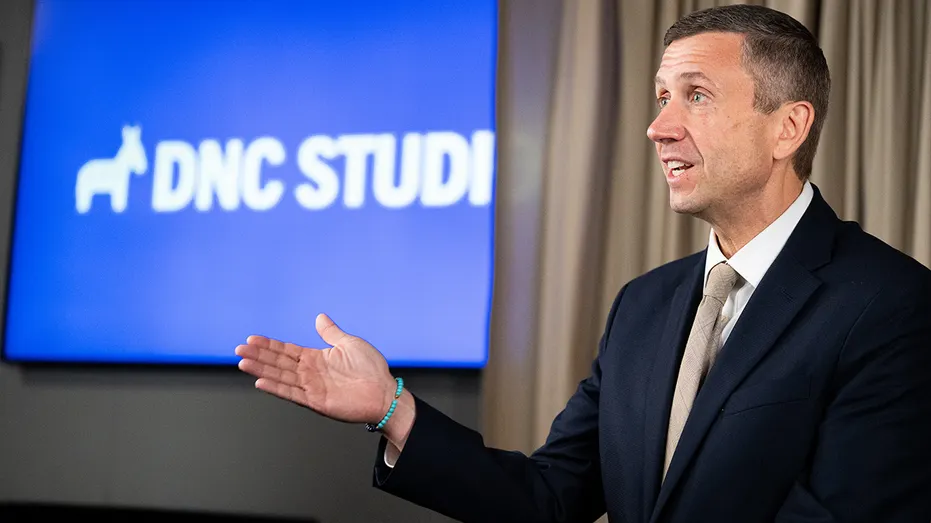
Explorehotelworld.com – The Democratic National Committee is facing financial scrutiny as it enters the final stretch before midterm elections. Cash strapped DNC shelled out more than $800,000 to non-voting territories including the Virgin Islands while carrying over $2 million in debt. Federal Election Commission documents reveal the party’s national committee ended June with $16.3 million in cash against $18.5 million in liabilities.
Vendors have reportedly been asked to postpone payment requests until after Election Day. Congressional leaders were also informed that traditional transfers to House and Senate campaign committees would be delayed. This spending pattern has raised questions about Democratic preparedness in critical swing districts where House control could hinge on fewer than 20 races.
Comparative Financial Position
The financial gap between parties is substantial. The Republican National Committee maintains approximately $128.5 million with no outstanding obligations. Meanwhile, the National Republican Congressional Committee holds $92.7 million compared to the Democratic Congressional Campaign Committee’s $79 million, according to Axios reporting.
“Ken needs help — H-E-L-P,” veteran DNC member Donna Brazile told The New York Times regarding Chairman Ken Martin. “And if he’s reluctant to say it, I’m here to help him ask.”
A recent Supreme Court ruling permitting unlimited coordinated spending between parties and candidates has made committee reserves increasingly important. DCCC Chair Suzan DelBene emphasized strong fundraising and candidate performance in a July statement. DNC Executive Director Roger Lau characterized vendor discussions as routine contract negotiations rather than signs of financial distress.
Territorial Investment Strategy
The territorial spending represents part of a four-year State Partnership Program transferring over $1 million monthly to 57 Democratic state and territorial organizations. Each party receives $17,500 monthly, with Republican-controlled state parties earning an additional $5,000 through the Red State Fund. Additional benefits include voter data, technology access, regional training boot camps, and new regional director positions.
Chairman Martin highlighted this approach in a Substack post, noting the current DNC has raised more money than any previous iteration without White House support during the party’s 198-year history. He expressed confidence in Democratic readiness for both the upcoming election and longer-term prospects.
Midterm Historical Context
Democrats seek to reclaim House control for the first time since Republicans gained the majority in 2022. Republicans also maintain Senate control following their 2024 victory. Midterm elections traditionally present challenges for the incumbent president’s party.
President Joe Biden’s Democrats exceeded expectations in 2022 by holding the Senate but lost the House. Historical patterns show President Donald Trump’s Republicans lost the House in 2018, while President Barack Obama’s Democrats lost both chambers during his tenure, surrendering the Senate in 2014 and the House in 2010.
FAQ: Understanding DNC Financial Situation
Why is the DNC delaying vendor payments? DNC Executive Director Roger Lau stated these are standard contract negotiations rather than financial distress signals. The committee informed vendors it would postpone bills until after elections.
How much did the DNC spend on non-voting territories? The DNC and an affiliated committee allocated approximately $840,000 to Democratic organizations across five non-voting U.S. territories since last year.
What is the State Partnership Program? This four-year initiative transfers more than $1 million monthly to 57 Democratic state and territorial parties, providing $17,500 per party monthly plus additional funds for Republican-controlled states.
How does the DNC compare financially to the RNC? The RNC holds approximately $128.5 million with no debt, while the DNC carries $18.5 million in liabilities against $16.3 million in cash reserves.
For additional coverage of political developments, visit our politics section or explore media analysis for ongoing insights.