Zoox Robotaxi Redesign Brings Big Rider Upgrades
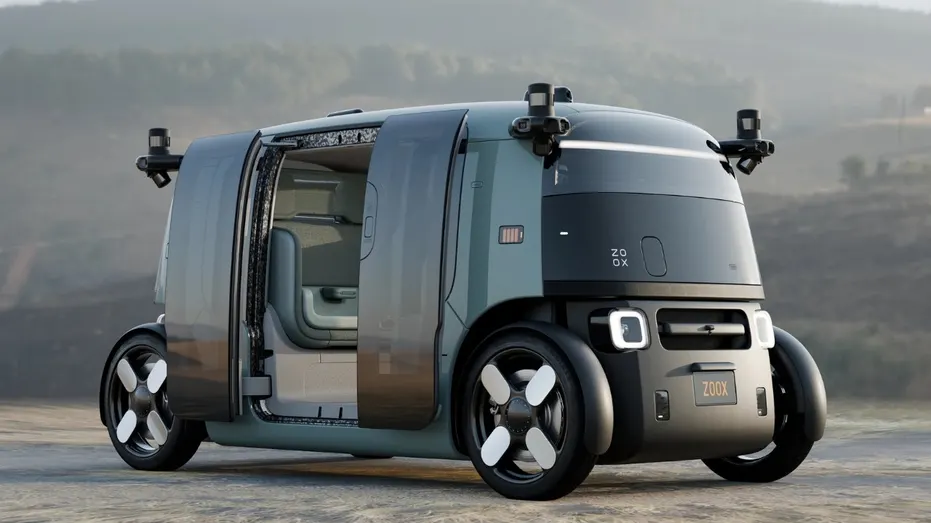
Zoox robotaxi redesign brings big rider – Zoox has launched a redesigned version of its robotaxi, maintaining its futuristic aesthetic while significantly enhancing the user experience for passengers. The vehicle, which is now owned by Amazon, features a custom-built electric design that has been refined based on real-world feedback. While the absence of a steering wheel and pedals remains a defining characteristic, the company has prioritized comfort and usability, aiming to transform the interior from a prototype into a practical, everyday ride. These changes reflect a broader strategy to ensure the robotaxi is not only technologically advanced but also intuitive and enjoyable for riders.
Interior Enhancements for a Softer Ride
The redesigned cabin introduces several upgrades that cater to rider comfort. Zoox has incorporated additional padding and ergonomic curves into the seating and headrests, which should mitigate discomfort during longer trips or on uneven roads. These adjustments are particularly notable given the vehicle’s unique layout, where passengers face each other in a four-seat configuration. The new color scheme—comprising aloe-green upholstery and stone-grey flooring—aims to create a more serene and modern ambiance. According to the company, this lighter palette contributes to a calmer atmosphere, making the ride feel less like a tech showcase and more like a welcoming space.
Functionality has also been improved with subtle but meaningful changes. The wireless charging pad now includes fluting, a textured surface that helps secure phones in place during motion. Cupholders have been enlarged to accommodate larger items, such as a giant iced coffee, addressing a common frustration among riders. Additionally, the touchscreen interface has been optimized for better visibility, reducing the need for riders to adjust their posture to interact with the system. These details, though seemingly minor, are critical for ensuring a seamless experience as the robotaxi scales to serve more passengers daily.
Exterior Modifications for Better Communication
Zoox has also made adjustments to the vehicle’s exterior to improve visibility and clarity for those outside. One notable change involves the repositioning of bidirectional reflectors, which now rotate colors to clearly indicate the robotaxi’s direction of travel. This feature is essential because the boxy design of the vehicle, capable of moving forward or backward, could otherwise confuse pedestrians, cyclists, or other drivers. By making the front and rear distinguishable, Zoox aims to enhance safety and reduce the risk of misinterpretation during interactions with the public.
Another key update is the addition of a new speaker and microphone system at the door interface. This two-way audio capability allows riders to communicate directly with Zoox Support, which is vital for addressing issues or providing feedback during a ride. It also enables first responders to interact with the vehicle in emergencies, such as guiding an ambulance or fire truck through traffic. While this feature may appear simple, it underscores Zoox’s focus on ensuring the robotaxi can function effectively in real-world scenarios without human intervention.
A Vision for Production-Ready Vehicles
Zoox emphasizes that this latest iteration represents its production intent vehicle, signaling a step closer to mass deployment. The company plans to scale manufacturing at its facility in Hayward, California, with the goal of making robotaxis more widely available. While the vehicle is already operational in Las Vegas and San Francisco, expansion to cities like Austin and Miami is in progress, as noted on the ride-sharing platform. Availability varies by location, meaning riders cannot yet access the service universally through a single app. However, the company has encouraged users to download the app via zoox.com/app to book rides in supported cities or join a waitlist for others.
The redesign also aligns with Zoox’s core philosophy of building an autonomous vehicle from the ground up with rider experience in mind. Unlike traditional cars with self-driving systems added later, this robotaxi is a purpose-built model that integrates comfort and convenience into its design. Features such as the moonroof, starry night lighting, and advanced sensor suite—comprising cameras, radar, lidar, and long-wave infrared technology—highlight the company’s commitment to blending innovation with usability. The bidirectional driving capability, which allows the vehicle to move forward or backward without turning around, is a standout engineering feat, potentially reducing travel time in urban environments.
Feedback-Driven Improvements
According to Zoox, the updates were informed by testing, early deployments, and feedback from half a million riders. This data-driven approach has enabled the company to address specific pain points, such as the stress of retrieving lost items from the back seat. For example, the lighter interior design makes it easier to locate belongings quickly before the vehicle departs, a feature that has become increasingly relevant as the robotaxi transitions from experimental to mainstream. The company’s focus on rider-centric enhancements reflects a shift from purely technical advancements to user-focused design.
While the core design elements remain unchanged, the new version underscores Zoox’s readiness to meet the demands of a growing user base. The absence of a driver’s seat and traditional controls is still central to the vehicle’s identity, but the interior upgrades demonstrate how these features can be made more inviting. The redesigned cabin is not just about aesthetics; it’s about ensuring passengers feel at ease during their journey. As the robotaxi becomes a regular part of daily transportation, small improvements can significantly impact the overall experience, turning a futuristic concept into a reliable and comfortable option.
Challenges and Opportunities Ahead
Zoox acknowledges that the transition to a rider-focused design comes with challenges, particularly in navigating regulatory landscapes. Many existing vehicle standards were developed for human-driven cars, requiring adjustments to accommodate fully autonomous models. The bidirectional movement and four-wheel steering system, which allows the robotaxi to reach speeds of up to 75 miles per hour, further complicate approval processes. However, the company believes these features are essential for creating a vehicle that is both efficient and user-friendly.
The redesigned robotaxi is a testament to Zoox’s iterative development process. By integrating rider feedback into its design, the company has addressed concerns that might otherwise hinder adoption. As more cities adopt the service, the vehicle’s ability to handle daily commutes will be put to the test. Features like the two-way audio system and improved interior organization are expected to play a crucial role in ensuring smooth operations. While the robotaxi is not yet a universal service, its evolution highlights the importance of refining details to meet the needs of real users. These changes could pave the way for a future where autonomous vehicles are as seamless and reliable as traditional taxis.
“Once robotaxis move beyond early testers and start picking up more riders, small things suddenly become important. A stiff seat, a sliding phone, or a cupholder that cannot handle your giant iced coffee can turn a futuristic ride into an annoying one fast.” – CyberGuy
With the latest redesign, Zoox is positioning itself as a leader in the robotaxi industry by prioritizing rider satisfaction. The company’s focus on comfort, visibility, and communication reflects a deeper understanding of the challenges users face in adopting new technology. As the vehicle moves closer to large-scale production, it will be interesting to see how its features adapt to diverse urban environments. For now, the robotaxi remains a glimpse into the future of transportation, with improvements that make it feel more like a personal ride than a scientific experiment.