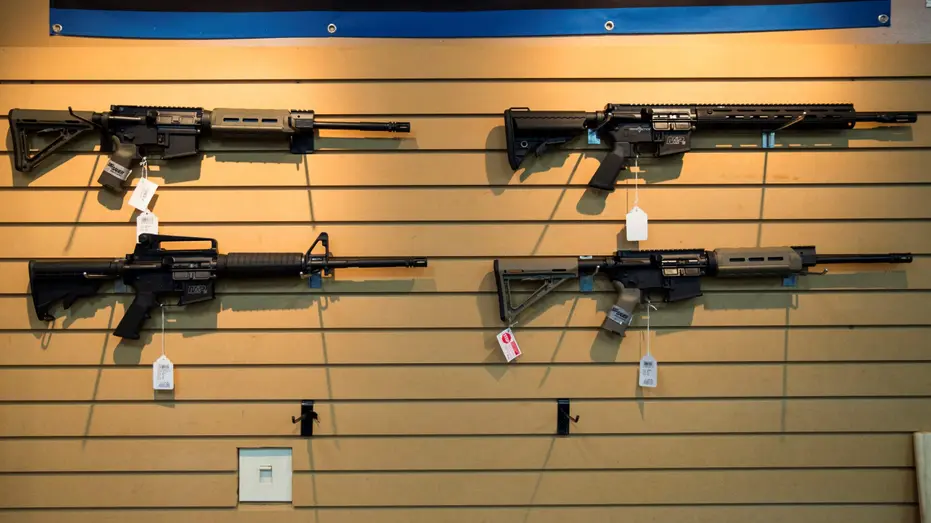
Virginia Gun Sales Spike Ahead of July 1 Assault Weapons Ban
Virginia gun sales spike ahead of July – Gun sales in Virginia have surged in recent months as residents prepare for a new law taking effect on July 1, which bans the sale of certain assault weapons. Data from the FBI reveals a notable rise in firearm transactions, driven by anticipation of the state’s latest legislation. The law, signed by Governor Abigail Spanberger, targets semi-automatic rifles and pistols with magazines holding more than 15 rounds, aiming to curb access to high-capacity weapons. This trend highlights growing consumer activity in the lead-up to the ban, with retailers reporting increased demand.
Legislative Action and Rising Purchases
The law, passed in January, has already begun reshaping the gun market. According to FBI records, background checks for firearm purchases in Virginia have seen a dramatic increase since its introduction. For instance, May 2025 alone recorded 75,376 checks—a figure exceeding the 37,167 conducted in the same month the prior year. This surge continued into March, where 79,846 checks were completed, compared to 47,069 in March 2024. By late May, the total number of checks surpassed 347,167, indicating a steady upward trend in firearm acquisitions.
“Recent months have seen a noticeable increase in sales, and for the last three months, we’ve been running hard,” said James Sprouse, a manager at Ginger Mafia Tactical, during an interview with WDBJ-TV. He noted that once firearms arrive at the store, they are quickly sold, reflecting heightened consumer interest in securing weapons before the ban.
Industry Response and Inventory Challenges
Gun retailers are experiencing unprecedented pressure to meet rising demand. Trey Boyd, co-owner of Tactical Operations Vault, observed that AR-15-style rifle components are being sold at an accelerated pace. “This is where I generally keep my stripped lowers,” Boyd explained. “Usually, every rack is completely full, front to back, and about every week, it’s completely wiped out.”
“Firearms with a magazine capacity of more than 15 rounds won’t be available anymore, which is a majority of the weapons people own today,” Boyd added. “This will have a major impact on us.”
The law’s provisions include a misdemeanor penalty for violations, ensuring compliance without retroactively penalizing existing owners. State Sen. Saddam Salim, a Democratic representative from Dunn Loring, emphasized that the legislation seeks to gradually reduce the availability of assault firearms. “We are taking this step to ensure communities remain safe and to address the ongoing concerns about gun violence,” Spanberger stated in a press release, underscoring the policy’s intent to limit access to high-capacity weapons.
Consumer Behavior and Market Trends
Virginia’s gun sales spike ahead of the July 1 ban has created a ripple effect across the state’s retail sector. Retailers like Tactical Operations Vault are witnessing a shift in inventory management, with stock levels depleting faster than usual. Analysts suggest that the ban is part of a broader effort to tighten gun regulations, aligning with national debates on firearm access. The increase in background checks further supports this, with the number of transactions doubling in recent months compared to the previous year.
Consumers are responding by purchasing firearms ahead of the deadline, driven by both fear of restrictions and the desire to own high-capacity weapons. This surge in Virginia gun sales spike ahead of the ban has also raised questions about the law’s effectiveness and its potential impact on long-term availability. While some argue that the law may inconvenience law-abiding citizens, supporters believe it addresses the root causes of gun violence by reducing the number of weapons at risk of misuse.
State-Level Policy and National Context
Virginia’s approach to gun control has sparked discussions about its influence on national legislation. As Democratic lawmakers push for stricter measures, the state’s ban on assault weapons stands as a model for others considering similar policies. In contrast, neighboring states like West Virginia are exploring plans to expand machine-gun access, highlighting the ongoing divide in approaches to firearm regulation. This divergence underscores the varying priorities among policymakers in addressing gun violence.
Despite the challenges, the Virginia gun sales spike ahead of the July 1 ban reflects a broader trend of public awareness and proactive behavior. The law’s implementation is expected to significantly alter the market landscape, with retailers and manufacturers adapting to the new restrictions. As the ban takes effect, its long-term implications for gun ownership and public safety will likely shape future debates on firearm regulation across the country.