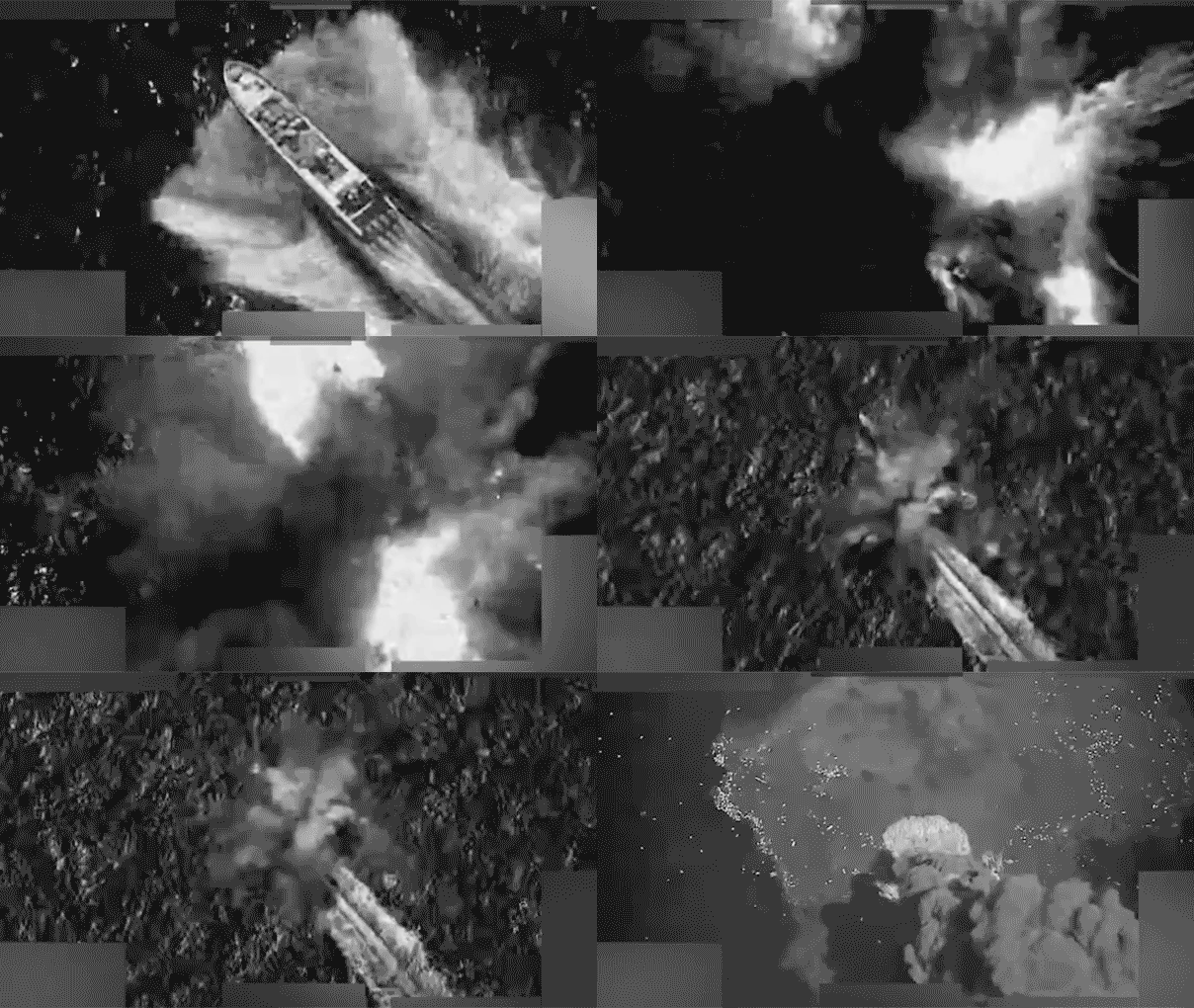
U.S. Military Kills Three Narco-Terrorists in Eastern Pacific Strike
US military kills three narco terrorists – On June 18, the U.S. military conducted a precision strike against a vessel suspected of transporting narcotics, eliminating three individuals identified as “narco-terrorists.” The operation, carried out by Joint Task Force Southern Spear, was led by General Francis L. Donovan of the U.S. Southern Command (SOUTHCOM). The strike targeted a ship operating along known routes used by drug trafficking groups, as confirmed by intelligence reports. SOUTHCOM emphasized the connection between the victims and organized criminal networks, framing the action as part of a larger effort to combat transnational drug operations.
Targeting Narco-Trafficking Routes
SOUTHCOM confirmed that the vessel was involved in smuggling narcotics, reinforcing the claim that it was part of a broader narco-terrorism initiative. While the military has not released specific details about the ship’s origin or the identities of the deceased, the operation highlights the U.S. military’s continued focus on disrupting drug supply chains. The absence of U.S. casualties underscores the operation’s effectiveness and the strategic use of lethal force in the Eastern Pacific.
“The vessel was transiting along established narco-trafficking routes and was engaged in illicit drug operations,” said SOUTHCOM in a statement. Video footage from the strike shows the ship speeding through open waters before being struck by U.S. forces, leading to its destruction. Debris from the explosion drifted in the surrounding waters, providing visual confirmation of the mission’s success. Despite the clear evidence, the exact location of the attack remains undisclosed, with SOUTHCOM citing the need to protect operational details.
Expanding the War on Narcotics
This strike is part of an intensified campaign by the U.S. military to target narco-terrorist networks. Since September, at least 211 individuals have been killed in similar operations targeting vessels in the Eastern Pacific, as reported by The Associated Press. The military’s justification for labeling these groups as “narco-terrorists” hinges on their role in enabling drug trafficking, which SOUTHCOM claims threatens national security. However, critics question whether the term is appropriately applied without direct links to violent acts.
Legal analysts have pointed out that the U.S. military’s use of lethal force against suspected narco-terrorists is justified under the broader framework of counter-narcotics efforts. The operation adds to a list of targeted strikes aimed at dismantling organized crime groups. While the details of the evidence linking the vessel to terrorist activities remain sparse, the military has reiterated its commitment to eliminating key players in the narcotics industry.
Following the attack, the U.S. Coast Guard joined forces with military units to search for survivors. Three individuals were believed to be on board at the time, though their identities and fates are yet to be confirmed. The operation’s success in eliminating three narco-terrorists has drawn attention to the growing collaboration between the military and coast guard in the fight against drug trafficking. This joint effort reflects the strategic importance of the Eastern Pacific in the global narcotics trade.
As the U.S. military continues its campaign, the focus on narco-terrorism has sparked debate about the criteria for labeling criminal groups as threats to national security. While the strike demonstrates the military’s capability to neutralize targets in remote waters, the lack of transparency regarding evidence and the high number of casualties raise questions about the proportionality of such actions. The operation marks a pivotal moment in the ongoing battle against drug trafficking, with the U.S. military positioning itself as a key player in this transnational conflict.