Trump Announces Historic Peace Accord with Iran, Pledges to Reopen Strategic Waterway
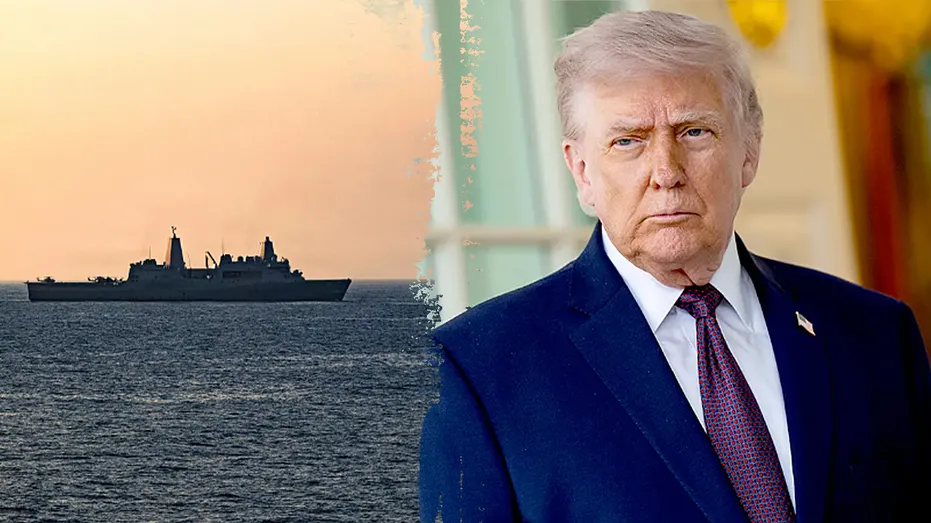
Trump announces peace deal with Iran – On Sunday, President Donald Trump unveiled a groundbreaking agreement between the United States and Iran, signaling a pivotal shift in the ongoing geopolitical tensions. The deal, which he described as a “Great Deal,” aims to resolve years of hostilities and restore critical maritime access through the Strait of Hormuz, a vital artery for global oil transportation. “The Deal with the Islamic Republic of Iran is now complete,” Trump declared in a post on Truth Social, celebrating the achievement as a cornerstone of regional stability. His message emphasized the immediate impact of the agreement: “Ships of the World, start your engines. Let the oil flow!” This declaration comes amid heightened concerns over the U.S. naval blockade of Iranian ports, which had disrupted oil shipments and escalated fears of economic disruption.
Mediation Led by Pakistan Sparks Hope for Resolution
Pakistani Prime Minister Shehbaz Sharif, whose nation played a central role in brokering the deal, was the first to publicly confirm the progress. “A signing ceremony is set for Friday in Switzerland,” he stated, highlighting the collaborative efforts between the two countries. Sharif’s government had previously mediated discussions, navigating the complex dynamics of the conflict to facilitate a breakthrough. The announcement has raised optimism among analysts, who view the agreement as a potential turning point in the region’s volatile history.
Strait of Hormuz to Be Freed from Blockade
According to the agreement, the Strait of Hormuz will be reopened once the formal signing ceremony takes place. “With the opening of the Strait upon the signing of the Deal on Friday, oil will flow on both ends again for the Region, and the World!” Trump reiterated, underscoring the symbolic and practical significance of the accord. The strait, located between the Persian Gulf and the Gulf of Oman, is a crucial chokepoint for global energy trade, with approximately 20% of the world’s oil passing through it daily. Its closure had previously caused widespread alarm, as it threatened to spike energy prices and destabilize supply chains.
Iran’s 10-Point Plan for Regional Peace
Iran’s deputy foreign minister outlined the key elements of the agreement, which include the immediate cessation of military activities across the Middle East. “Both sides have declared the permanent termination of hostilities on all fronts, including in Lebanon,” Sharif noted, referencing the peace terms. The plan also addresses the U.S. sanctions regime, with provisions for relief and a framework for renewed dialogue. While details of the nuclear program were not disclosed at the time, the agreement sets the stage for further negotiations. The U.S. and Iran will convene during a 60-day ceasefire to finalize the terms, as reported by Reuters.
Historical Context and Geopolitical Shifts
The agreement marks the end of a high-stakes conflict that began on February 28, when Israel launched a series of strikes against Iranian targets in Operation Rising Lion. The attacks, which targeted key infrastructure, ignited a 12-day military standoff between the two nations. Trump, who has consistently opposed Iran’s nuclear ambitions, ordered retaliatory strikes on nuclear facilities in the same month, further intensifying the situation. This latest peace deal, however, appears to represent a strategic recalibration, with Trump asserting that his administration has achieved what previous leaders could not. “Many presidents have tried to make Peace with Iran, and all have failed before me,” he said, praising his team’s diplomatic efforts.
Regional Leaders Recognize Trump’s Leadership
Trump highlighted the regional leaders’ newfound confidence in his ability to mediate. “The Leaders of the Region have, for the first time, found a President who can help them achieve real Peace,” he claimed, positioning himself as a pivotal figure in the Middle East. Sharif echoed this sentiment, expressing gratitude to the U.S. and Iran for their commitment to diplomacy. “We are thankful for the collaboration that has led to this historic step,” he added, also acknowledging the role of Qatar, Saudi Arabia, and Turkey in supporting the mediation process. These nations, often at odds with Iran, are now seen as key allies in the peace initiative.
Implications for Global Energy Markets
The reopening of the Strait of Hormuz is expected to alleviate immediate concerns over oil supply disruptions. Analysts warn that a blockade of the strait could have led to a dramatic increase in energy prices, with estimates suggesting a potential 50% surge. By eliminating the U.S. naval blockade, the deal aims to restore normalcy to one of the world’s most critical oil routes. This development coincides with a broader effort to stabilize energy markets, which have been strained by ongoing conflicts and shifting alliances in the region.
Trump’s Stance on Iran’s Nuclear Program
Despite the peace deal, Trump remains firm on Iran’s nuclear capabilities. “Iran cannot be in possession of a nuclear weapon,” he stated, reiterating his administration’s long-standing goal of preventing Tehran from acquiring one. While the current agreement does not address the nuclear program immediately, it lays the groundwork for future talks. “The future of Iran’s nuclear program will be discussed in upcoming negotiations,” Trump added, emphasizing the need for continued oversight. The U.S. has previously imposed sanctions on Iran for its nuclear activities, and the deal may include terms to ensure compliance with international agreements such as the Joint Comprehensive Plan of Action.
Path Forward: Technical Negotiations and Diplomatic Implementation
With the agreement in place, mediators are expected to guide the next steps, including technical negotiations and the formal signing ceremony. Sharif mentioned that the deal could serve as a foundation for long-term cooperation, though challenges remain. “The process will require sustained effort and mutual trust,” he said, cautioning against complacency. Trump, meanwhile, remains optimistic, positioning the accord as a testament to his leadership. “This Great Deal will bring Peace and Security to the whole Region,” he proclaimed, a sentiment that has been met with cautious optimism by some and skepticism by others.
Legacy of Diplomatic Efforts
The agreement has been hailed as a landmark moment, yet its success will depend on its implementation. Critics argue that the deal’s permanence hinges on Iran’s adherence to its commitments, particularly in the nuclear and military domains. “While the immediate blockade is lifted, the long-term implications will determine whether this is a lasting peace,” said one analyst. For now, the focus remains on the ceremonial signing and the practical steps to ensure the strait’s reopening. As the world watches, the deal’s ability to translate diplomatic rhetoric into tangible results will be a key measure of its success.
With the agreement finalized, the U.S. and Iran now face the task of executing its provisions. The deal’s provisions include the removal of military forces from key regions and the establishment of a joint commission to oversee compliance. The commission will monitor Iran’s nuclear activities and ensure that military operations are suspended, as promised in the accord. This structure is designed to provide a mechanism for accountability, though its effectiveness remains to be seen. For now, the anticipation of the deal’s official signing has sparked a wave of optimism, with hopes that it will mark the beginning of a new era in U.S.-Iran relations.
The peace deal also reflects a broader geopolitical realignment, with Trump emphasizing the importance of alliances that prioritize economic and security interests. “This agreement proves that cooperation is possible even in the face of deep-seated differences,” he said. As the world’s attention turns to the upcoming negotiations, the focus will shift from the symbolic reopening of the strait to the practical details of the agreement. With the potential for renewed trade and reduced military tensions, the deal could have far-reaching implications for the Middle East and beyond.