Shipping Giant Warns Strait of Hormuz Chaos Is New Normal
Shipping giant warns Strait of Hormuz – As geopolitical tensions intensify, a major shipping company has issued a stark warning about the Strait of Hormuz. The critical waterway, which serves as a lifeline for global oil trade, is now perceived as a volatile region where disruptions are becoming the expected norm. This alert comes from Hapag-Lloyd, a German logistics firm, which highlighted the growing risks faced by vessels transiting the strait. The company’s statement underscores the mounting challenges for maritime operations, with increased regulatory uncertainty and military activity threatening the stability of the region.
Tehran’s Oil Shipment Shift Signals Strategic Changes
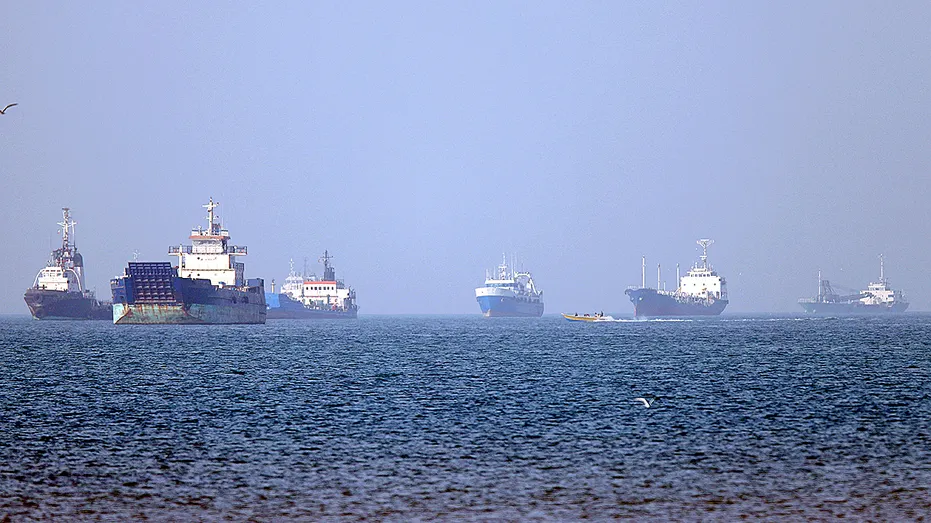
In a significant move, Iran has begun redirecting its oil exports through the Strait of Hormuz, with approximately 4.12 million barrels of crude oil and liquid hydrocarbons transported from Kharg Island. This shift, noted by maritime analysts, marks a potential resumption of normal shipping patterns following a temporary slowdown. The simultaneous loading at two terminals and the presence of 28 tankers in the East Waiting Area indicate a recalibration of Iran’s maritime strategy, raising questions about how the country will manage traffic amid heightened security concerns.
“The Iranian crude export cycle is restarting, with loading operations resuming at Kharg Island,” remarked Windward AI, a maritime intelligence firm, in its analysis. The agency’s observations emphasize the strategic importance of the strait as a key chokepoint for global energy markets.
Escalating Conflict Sparks Unpredictable Conditions
The recent conflict between Iran and its adversaries has further complicated the strait’s operations. U.S. airstrikes targeting Iranian facilities in the region, including Qeshm Island, have intensified the security environment. Iran’s Islamic Revolutionary Guard Corps (IRGC) has retaliated by striking U.S. military bases, creating a cycle of aggression that has disrupted shipping schedules and raised fears of prolonged instability. Maritime operators now face the challenge of navigating this unpredictable terrain with greater caution.
Meanwhile, the division of control between Iran and U.S. forces has led to a fragmented transit system. The northern route is under Iranian management, while the southern corridor is guarded by U.S. naval assets. This split has left traditional shipping lanes vulnerable, as mines and other obstacles hinder the safe passage of vessels. The lack of coordination between the two sides has created a confusing scenario for crews, who must constantly adapt their routes to avoid potential threats.
Iran’s Role and Calls for Stability
Iran’s Foreign Minister, Abbas Araghchi, has asserted the country’s responsibility for maintaining maritime traffic through the strait. “Iran is committed to ensuring the free flow of goods through the Strait of Hormuz,” he stated in a recent address, as reported by Iran International. However, the recent escalation has tested this commitment, with state media emphasizing the need for collaboration with the IRGC to restore order. The situation highlights the delicate balance between Iran’s strategic goals and the global need for uninterrupted oil flow.
Despite the challenges, Hapag-Lloyd has managed to navigate the initial disruptions. The company’s spokesperson, Hanja Maria Richter, acknowledged the ongoing uncertainty but noted progress in securing the safe departure of affected vessels. “We’ve adapted to the new reality in the Persian Gulf,” she said, stressing the importance of vigilance for crew safety. This resilience reflects the shipping giant’s efforts to mitigate risks while maintaining operations in a rapidly evolving environment.
As the situation unfolds, experts warn that the Strait of Hormuz could become a focal point for future geopolitical maneuvering. With over 20% of the world’s oil supply passing through the narrow waterway, any prolonged instability may have far-reaching economic consequences. The shipping giant’s concerns align with broader fears that the strait could be used as a strategic lever in international trade disputes, further complicating its role as a global maritime artery.