San Francisco Archdiocese Approves $395 Million Settlement with 530 Child Abuse Survivors
San Francisco archdiocese agrees to 395M – The Archdiocese of San Francisco has reached an agreement to pay $395 million in compensation to resolve more than 500 legal claims related to child sexual abuse by clergy and church officials. This settlement, one of the largest in California’s history, could bring an end to a prolonged bankruptcy dispute that has gripped the diocese for years. The decision marks a significant step toward addressing the legacy of abuse and offering closure to the survivors involved.
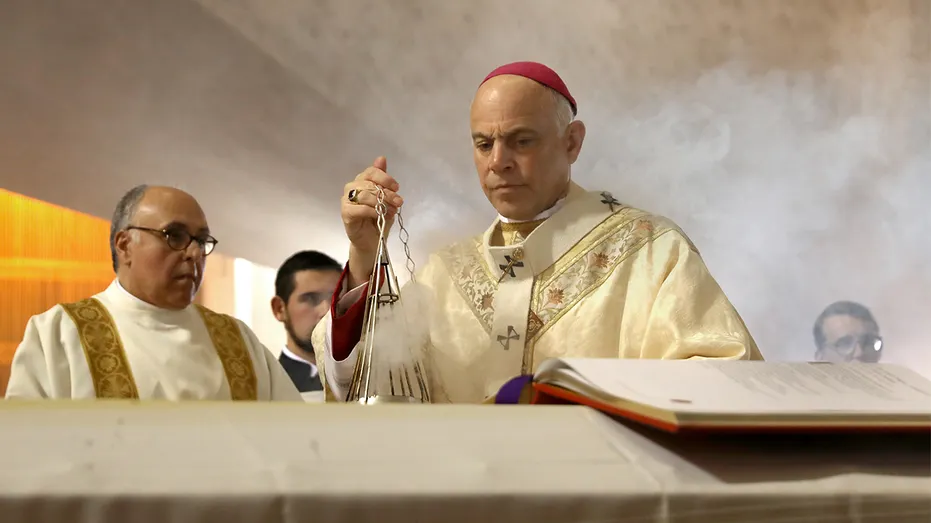
Under the terms of the agreement, approximately 530 individuals who were victims of abuse will receive financial redress. In addition to the monetary payout, the archdiocese is required to have Archbishop Salvatore Cordileone personally draft and deliver an apology letter to each survivor. The settlement also includes a series of sweeping reforms aimed at preventing future misconduct, such as the establishment of a public database listing clergy members accused of abuse and the elimination of confidentiality agreements that may have silenced victims in the past.
A Shift Toward Accountability and Transparency
The reforms mandated by the settlement are designed to create long-term accountability within the Catholic Church. These measures include the obligation for the archdiocese to regularly update and disclose information about investigations into abuse allegations, as well as the requirement to maintain a comprehensive list of clergy with histories of misconduct. By doing so, the archdiocese is committing to greater transparency, ensuring that survivors’ voices are prioritized and that the public can access information about past abuses.
Archbishop Cordileone expressed his commitment to the process, stating in a prepared statement, “We believe this proposal provides a path toward fair compensation for survivors who have borne the weight of this abuse for a lifetime.” He emphasized that the Catholic Church, as a whole, must unite in making amends. “The entire Catholic family is called to unite and share in the work of making amends through this proposed settlement,” he added. Cordileone also acknowledged the archdiocese’s responsibility for the abuse, which includes cases spanning several decades, and pledged ongoing support for survivors.
“We accept full responsibility for what happened, and I sincerely apologize to all those who have been harmed,” Cordileone said. “We remain committed to the healing and care of survivors who have suffered because of past sins of Church ministers.”
The agreement is part of a broader pattern of legal actions against California’s Catholic dioceses, which have been under scrutiny for decades. A 2019 state law revived claims from the 1960s and 1970s, allowing survivors to pursue justice even after long periods of time. This legal change contributed to a surge in lawsuits, prompting several dioceses to file for bankruptcy. The San Francisco settlement now joins similar efforts, such as the $880 million agreement reached by the Archdiocese of Los Angeles in 2024, as a defining moment in the state’s fight against institutional abuse.
Broader Implications for the Catholic Church
Cordileone’s remarks in the settlement underscore the challenges the Catholic Church faces in American society. During a 2023 interview with Fox News Digital, he warned that Catholics are encountering rising hostility, with their properties and sacred symbols often targeted. “Our properties are being attacked, our sacred symbols are being desecrated,” he said at the time. “We’re being explicitly insulted, and that’s been championed and celebrated in the culture.” These comments highlight the cultural tensions that have intensified in recent years, pushing the Church to address past wrongs more aggressively.
Despite the criticisms, Cordileone urged Catholics to maintain a balanced approach. “I think we can’t be overly bombastic either,” he told Fox News Digital. “Where do you have to draw a line and take a strong stand? Because that can’t be overdone either — because after a while, one will lose credibility.” His perspective reflects the Church’s attempt to navigate a complex landscape of accountability and public perception, ensuring that its response to abuse is both firm and credible.
Legal experts have praised the settlement for its comprehensiveness. Jeff Anderson, a plaintiffs’ attorney with decades of experience in abuse cases, called the agreement unprecedented in its scope. “This is not just about money; it’s about institutional change,” Anderson stated. “It forces the archdiocese to implement lasting reforms that will prevent similar abuses from occurring in the future.” The settlement includes requirements that go beyond financial compensation, such as the public maintenance of an abuse registry and the disclosure of investigative outcomes, which Anderson described as rigorous and robust.
“I’ve been working with survivors for decades, and I’ve never heard of anything quite as significant, as rigorous, as robust as what is being required of the Archdiocese of San Francisco,” Anderson said. “This settlement not only addresses past harm but also sets a precedent for transparency and accountability.”
The Archdiocese of San Francisco’s agreement is particularly notable given the broader context of abuse cases across California. For instance, the Justice Department recently agreed to pay nearly $116 million to inmates who were sexually abused at a California prison known as the “Rape Club.” This highlights the state’s active role in holding institutions accountable for historical misconduct, a trend that has influenced the Catholic Church’s own settlements.
With the settlement awaiting approval from the U.S. Bankruptcy Court, the case represents a pivotal moment for the archdiocese. The financial commitment underscores the gravity of the issue and the extent to which the Church is willing to address its past. Survivors, who have endured years of trauma, now have the opportunity to receive both compensation and a public acknowledgment of the Church’s role in their suffering.
Cordileone’s leadership has been central to this process, positioning him as a key figure in the Catholic Church’s response to abuse. His statements in the settlement reflect a growing awareness of the need for systemic change, as well as the importance of reconciling with the victims. The reforms he has endorsed, including the requirement to publish lists of accused clergy, aim to rebuild trust in an institution that has long been scrutinized for its handling of abuse cases.
The case also highlights the long-term consequences of child sexual abuse. While the majority of claims in this settlement date back decades, the archdiocese has accepted responsibility for the harm caused, even as it seeks to prevent future incidents. This approach balances accountability with a commitment to ongoing care, ensuring that survivors are not only compensated but also supported in their healing journeys.
As the settlement moves forward, it serves as a model for other religious institutions facing similar legal challenges. The combination of financial restitution and structural reforms offers a framework for addressing past abuses while taking proactive steps to safeguard children. For the survivors of San Francisco, this agreement represents a step toward justice, with Cordileone’s apology letters and the archdiocese’s new policies signaling a renewed dedication to accountability.