Sammy ‘The Bull’ Gravano: From Devotion to Distrust in the Mob
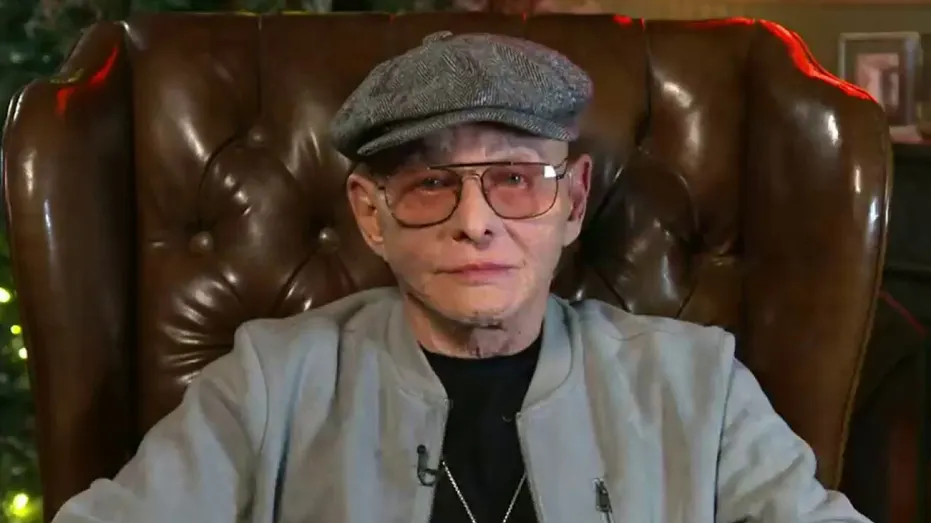
Sammy The Bull reveals why his love – Sammy “The Bull” Gravano, a once-revered figure in the American Mafia, is now best remembered for his pivotal role in the downfall of John Gotti, the legendary boss of the Gambino crime family. Yet, his relationship with Gotti was not always adversarial. In a recent interview with Fox Nation, Gravano shared a candid reflection on his emotional journey, revealing how his deep affection for Gotti transformed into a fierce resentment during their time in prison.
Gravano’s betrayal of Gotti in 1992 was a seismic event in organized crime history, leading to the conviction of the Mob Godfather and dismantling his empire. But the man who once stood by Gotti’s side now recounts a tale of loyalty turned sour. “I loved him,” Gravano said, describing his initial admiration for the boss. “We fought a war together. It was us against the world,” he explained, highlighting the camaraderie that defined their partnership during Gotti’s reign.
“I loved him until we got pinched, and he came up with the idea of his talking on the wiretap tapes and using those behind my back.”
According to Gravano, the turning point occurred when Gotti’s secret conversations were intercepted and used as evidence against him. “I was in prison for 11 months before I flipped,” he recounted. “I had no intention of flipping, but when he made up all of this crap, my relationship went from love to hate in prison.” His cooperation with the federal government, which included pleading guilty to racketeering and admitting to 19 murders, marked the beginning of his testimony that ultimately sealed Gotti’s fate.
The Defense of Gotti: A Voice from the Inside
Amidst Gravano’s revelations, Lewis Kasman emerges as a steadfast defender of John Gotti. Kasman, featured in the documentary “Gotti’s Guy,” which debuts on Fox Nation, remains a devoted figure in Gotti’s legacy. Known in the media as the “adopted son” of the Mob Godfather, Kasman described his role as more than just a companion—it was a partnership rooted in mutual respect and shared ambition.
“I’d say what’s up Grandpa? Good morning. Back then we only had beepers, so I would call ‘Fat Bob’ and make sure he was ready. Jackie would have the car, Jojo would be ready. So that’s how we would start our routine.”
Kasman emphasized the meticulous coordination that went into Gotti’s daily operations, from ensuring his crew was prepared to the logistics of his travels. He also shed light on the financial mechanisms that fueled the Gambino family’s power during the late 1980s and early 1990s. “We’d pick up, let’s say $250,000. Then Joe Butch would bring, let’s say $100,000, Jimmy Brown from the garbage would bring in X amount of dollars,” Kasman said, illustrating the diverse sources of income within the organization.
Gravano noted that Kasman’s role extended beyond financial management. “One of his duties was also to serve as the Gambino de facto travel agent,” he explained. This responsibility involved handling Gotti’s travel arrangements, a task that required quick thinking and resourcefulness. “He didn’t have credit cards, so we’d check into whatever hotel we were checking in, and you couldn’t go and say ‘here’s $50,000’ to the front desk clerk. So, I used to put up my credit cards, and I got a lot of points. And we’d get a big bill, $60,000, $50,000, whatever it was,” Kasman recounted, emphasizing the ease with which the Mob Godfather managed his finances.
When Kasman and his crew returned from their trips, Gotti would promptly settle their debts. “He says, ‘here’s the money I owe you.’ Take his money. I didn’t have to wait 20 hours if he owed me money. That’s the kind of man he was,” Kasman reflected. This sense of reliability and generosity was a stark contrast to the tensions that arose in prison, where Gotti’s alleged betrayal of Gravano became the catalyst for their fractured relationship.
Organized Crime’s Inner Circle: The Role of Capos
The Gambino family’s operations were bolstered by key figures like Joe “Butch” Corrao and Jimmy “Brown” Faila, both of whom served as Capos. Corrao, based in Manhattan’s Little Italy, was instrumental in overseeing the family’s activities in that neighborhood, while Faila managed the Trade Waste Association of Greater New York—a network of garbage truck companies that provided significant financial inflow to the organization.
Kasman described how these Capos played a critical role in the Gambino’s profitability. “Each captain, depending on what industry they were extorting or what industry they were responsible for, and the unions, the various construction unions, the various labor unions, controlled by the Gambino family. And that’s how the money would roll in,” he said. This system of control and extortion was a hallmark of the family’s dominance, with Gotti at its helm.
Despite his loyalty, Kasman admitted that Gotti’s influence came at a cost. “He used me for a lot of money,” Gravano noted, referencing the millions Kasman stashed away. Kasman, however, defended his actions, stating that he had no illusions about the nature of their work. “We’d hide millions of dollars in my house’s attic,” Kasman said, describing the hidden wealth that flowed through the Gambino family’s network.
A Comparative Tale: Gigante’s Deception and Gotti’s Confidence
While Gotti exuded confidence in his leadership, his former associate Kasman also drew a contrast with Vincent “The Chin” Gigante, the boss of the Genovese crime family. Gigante, famously known as “The Oddfella,” was known for his eccentric behavior, often wandering Greenwich Village in a bathrobe as if feigning insanity. In 2003, after years of denying his mental state, Gigante finally confessed to the FBI that he had been faking his illness to evade prosecution.
Kasman, however, painted a different picture of Gotti. “You knew where John Gotti was, seven days a week. He wasn’t hiding from anybody, he wasn’t walking around in a bathrobe and a walker,” Kasman said, referencing Gigante’s public act of pretending to be crazy. This quote underscores Kasman’s belief in Gotti’s unwavering presence and authority, even as he faced the scrutiny of the federal government.
Kasman’s commitment to Gotti extended to every aspect of their lives, from routine tasks to financial dealings. His story, interwoven with Gravano’s, provides a multifaceted view of the Mob Godfather’s legacy. While Gravano’s betrayal led to the collapse of Gotti’s empire, Kasman’s enduring devotion highlights the complex dynamics within the Mafia, where loyalty and self-interest often coexisted.
Legacy of the Gambino Family
The Gambino family’s influence during the late 1980s and early 1990s was vast, generating an estimated $100 million to $500 million annually through their extensive criminal activities. Kasman’s role in this system was crucial, not just as a financial manager but as a symbol of Gotti’s close-knit inner circle. His anecdotes about the family’s operations, from coordinating with unions to handling travel expenses, offer a glimpse into the machinery that kept the Gambino empire thriving.
As the documentary “Gotti’s Guy” unveils, it brings together these personal accounts to paint a vivid picture of a man who, despite his flaws, commanded respect and admiration. The story of Gravano and Kasman, though divergent in their perspectives, collectively enriches the narrative of John Gotti’s life and the world he shaped. Their experiences serve as a testament to the power of loyalty, the weight of betrayal, and the enduring impact of organized crime on American society.