Massachusetts Homeowners Stunned by Town’s Warning on July 4 Flags and Endangered Birds
Massachusetts homeowners stunned after town warns – Residents of Plum Island, a coastal town in Massachusetts, are expressing bewilderment after receiving a notice that suggested flying flags on their properties could be a violation of endangered species laws. The warning, delivered just days prior to the nation’s 250th anniversary, has sparked a wave of community outrage. Town officials in Newbury have since clarified that the notice does not seek to restrict patriotic displays, but the confusion remains among long-time residents who interpret the directive as targeting their Independence Day traditions.
Letter Highlights Concerns Over Bird Habitats
The notice, obtained by Fox News Digital, outlines that the Town of Newbury has identified “devices and materials intended to deter” protected shorebirds from utilizing local beach and dune ecosystems. Examples listed include “mylar streamers, flags, and reflective materials,” all of which are said to potentially disrupt the birds’ natural behaviors. The document further explains that such activities might be classified as harassment or interference with feeding, nesting, or migratory patterns, which are prohibited under both state and federal Endangered Species Acts. Penalties could include significant fines and legal consequences.
The town administrator, Tracy Blais, emphasized that the warning was not meant to infringe on property owners’ rights. “The Town is not asserting any threat or legal liability—it’s simply reminding residents that they live in a special place with specific responsibilities,” she stated. Blais clarified that the letter was a tool to educate the community about the ecological importance of the area. “We are not prohibiting patriotic displays,” she added, “but we are encouraging residents to be mindful of how their decorations might impact local wildlife.”
Community Shocked by the Alert
For over three decades, Marc Sarkady has called Plum Island home. When he received the warning, he was taken aback. “Are you serious?” Sarkady recalled in an interview with Fox News Digital, voicing his frustration. “You’re telling me I can’t fly American flags on my property to celebrate America’s 250th anniversary?” The town, he noted, spans roughly 10 miles of open beach, an area where birds freely roam and nest. “It’s a nature preserve,” he said, “so to us, it’s like, folks, be reasonable.”
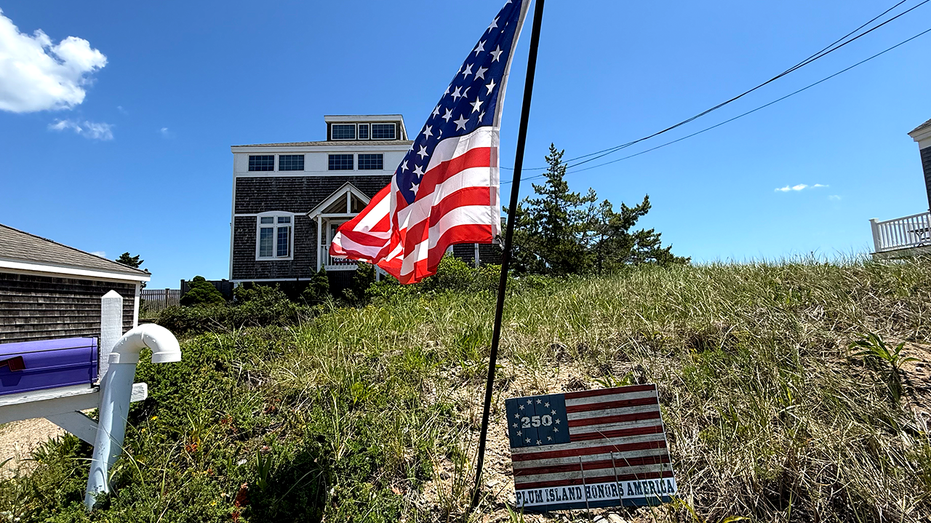
Residents had planned to commemorate the anniversary with American flags and revolutionary-style signs reading “Plum Island Honors America.” Sarkady and others had distributed around 50 flags and approximately 100 signs across the island. “It’s really us trying to bring the island together—everybody, by the way, not left, not right, just Americans,” he explained. “That’s the spirit of what I’m doing here.” Yet, the sudden appearance of the warning has cast a shadow over these efforts.
Historical Precedent of Disputes
This is not the first time Plum Island residents have clashed with local authorities over beachfront decorations. Last year, a Massachusetts Division of Fisheries and Wildlife official sent a nearly identical letter to one of Sarkady’s neighbors after she displayed ornamental banners on her lawn. Sarkady alleged that the official had personally called her, warning of severe penalties if she did not remove the displays. “This person actually threatened the citizen from Plum Island, who’s a homeowner, with fines and potentially being arrested and put in jail,” he said. “She felt very threatened.”
While the state agency denied the claim, Sarkady’s account highlights the tension between conservation efforts and local traditions. The current warning, he argues, seems to echo similar concerns. “The message is clear: if you fly a flag, you might be interfering with nature,” he said. The letter’s inclusion of “flags” as a potential deterrent has led many to believe it was specifically aimed at their Independence Day celebrations, even though the town maintains that it was merely following legal guidelines.
Clarification from MassWildlife
In response to the controversy, a MassWildlife spokesperson told Fox News Digital that the agency is not prohibiting American flag displays. “MassWildlife has not issued any violation letters or notices to these landowners,” they stated. The spokesperson added that the town’s letter was part of a broader effort to raise awareness about protecting endangered species, rather than an outright ban on patriotic decorations. “The Town is not asserting any rights or control it does not have,” the statement noted, reinforcing the idea that the warning was meant to inform, not to restrict.
Despite the clarification, the community remains divided. While some residents support the conservation initiative, others see it as an overreach. “It’s hard to believe that flying a flag on your own property is now a legal issue,” one local remarked. “We’ve been living here for years, and no one has ever raised this before.” The debate underscores the challenge of balancing human traditions with environmental protection, especially in areas where wildlife and residents coexist.
Broader Implications for Wildlife Conservation
The situation has also drawn attention to the broader role of local governments in enforcing endangered species laws. While the Town of Newbury’s warning may seem specific to Plum Island, it reflects a growing trend of municipalities taking proactive measures to safeguard habitats. This approach aligns with the federal and state Endangered Species Acts, which empower local authorities to take action when human activities threaten protected species.
However, the letter’s wording has left many questioning its intent. By listing “flags” as a device that could deter birds, the town has inadvertently tied the issue to national celebrations. “It’s like the town is saying, ‘We want you to celebrate, but we also want to ensure you don’t harm the birds,'” said a resident who supported the warning. Others, like Sarkady, argue that the warning was unnecessary and overly cautious. “We’re not hurting anything—just showing pride in our country,” he said.
As the July 4th holiday approaches, the community is caught in a dilemma. Some residents have decided to proceed with their flag displays, while others are reconsidering. “I’ve started to think about removing the flags,” one homeowner admitted. “But I also know that these decorations mean a lot to us.” The town’s stance remains firm: while it does not prohibit patriotic expressions, it urges residents to be mindful of their impact on the local ecosystem.
The debate has also sparked conversations about the role of local governments in environmental protection. Critics argue that the warning was overly broad and lacked specific examples of how flags actually affect bird populations. “Unless there’s concrete evidence, it’s hard to justify such a strict rule,” said a local environmental group representative. Proponents, however, believe that the warning is a necessary step to prevent unintentional harm to the endangered species that call Plum Island home.
Looking Ahead
As the town and residents navigate this dispute, the outcome could set a precedent for similar situations elsewhere. The inclusion of “flags” in the list of potential threats has raised questions about how broadly such laws are applied. “This is a small town, and the reaction has been intense,” Blais noted. “But we believe it’s important to educate the public about the responsibilities that come with living in a wildlife sanctuary.”
For now, the focus remains on the July 4th celebrations. While some have chosen to display their flags, others are waiting to see how the town’s message is received. “We want to celebrate America, but we also want to protect its natural heritage,” Sarkady said. “It’s about finding a middle ground.” Whether this balance can be achieved remains to be seen, but the incident has already ignited a discussion that could shape future interactions between residents and conservation efforts.