LA Hotels Face Worst Job Losses Since Pandemic Amid Olympic Wage Mandates, Data Reveals
LA Hotels hit by largest job losses – Los Angeles’ hotel industry is grappling with the most significant workforce reduction in ten years, a development attributed to stringent local wage regulations rather than the ongoing effects of the pandemic. A recent analysis by the Employment Policies Institute (EPI) of updated federal labor statistics showed a 1.7% decline in employment within the hotel and motel sector during December 2025 compared to the previous year. This downturn has occurred as the city implements some of the nation’s most ambitious minimum wage requirements, creating a ripple effect across the hospitality sector.
Minimum Wage Increases Spark Industry Strain
The EPI’s examination of the U.S. Bureau of Labor Statistics (BLS) data highlighted a broader trend of economic stagnation in the region, with critics linking it directly to the city’s aggressive regulatory policies. While the countywide minimum wage in Los Angeles reached $17.81 per hour last year—exceeding the state’s $16.50 mandate—the City of Los Angeles took an even more aggressive stance by imposing a specialized hotel wage requirement of $22.50 an hour. This move, part of a broader effort to address labor costs, has placed considerable pressure on operators, particularly as they prepare for major international events in the coming years.
Brooke McCallum, a spokesperson for the EPI, emphasized the severity of the situation in a report to Fox News Digital. “Los Angeles’ hotel minimum wage mandates have transformed a vibrant sector into one facing substantial challenges,” she stated. “The current pace of job losses, now at the highest rate since the pandemic, underscores the need for urgent and lasting solutions. The City Council’s decision to extend the $30-an-hour mandate by two years acknowledges the impact, but more permanent measures are necessary to stabilize the industry.”
Phased Mandates and Financial Consequences
The original plan for the citywide hotel worker minimum wage required a steep increase for large-scale and airport-based employees, with base hourly wages rising by $2.50 annually until reaching $30 by 2028. However, the implementation of these mandates has led to immediate financial strain, prompting a strong response from the business community. A coalition of hotel operators and airlines, including Delta and United, launched a corporate-funded campaign to repeal the city’s gross receipts tax, a measure that generates over $800 million annually—nearly 10% of Los Angeles’ general fund.
The tax repeal initiative effectively forced the city into a difficult position, as its cancellation would have jeopardized the budget and triggered severe cuts to public services. To avoid this, the City Council President, Marqueece Harris-Dawson, facilitated a compromise. On May 19, the council voted 11–4 to delay the $30-an-hour wage requirement by two years, adjusting the timeline to hit $25 in 2026, $27.50 in 2028, and finally $30 in 2030. In exchange, the corporate group agreed to withdraw the tax repeal from the November ballot, allowing the city to retain critical revenue.
Broader Implications for Tourism and Events
This labor shift occurs against the backdrop of Los Angeles’ ambitious plans to host global events, including the 2028 Summer Olympic Games. The city has already hosted the 81st U.S. Women’s Open Championship at Riviera Country Club and is set to welcome FIFA World Cup matches at SoFi Stadium, all of which are expected to boost tourism and economic activity. Yet, the current employment slump raises concerns about the capacity of the hospitality sector to accommodate these influxes.
Industry leaders warn that the combination of rising labor costs and shrinking payrolls could lead to a severe shortage of available hotel rooms, potentially deterring international visitors. The American Hotel and Lodging Association (AHLA), representing over 30,000 members nationwide, issued a statement cautioning that inflexible wage policies threaten to disrupt the delicate balance of supply and demand. “As travel volumes rise, the industry must ensure it has the workforce to meet the demand,” said AHLA, highlighting the urgency of the issue. The group also noted that their survey of LA hotel owners revealed widespread apprehension about the long-term viability of the current mandates.
Political and Economic Dynamics at Play
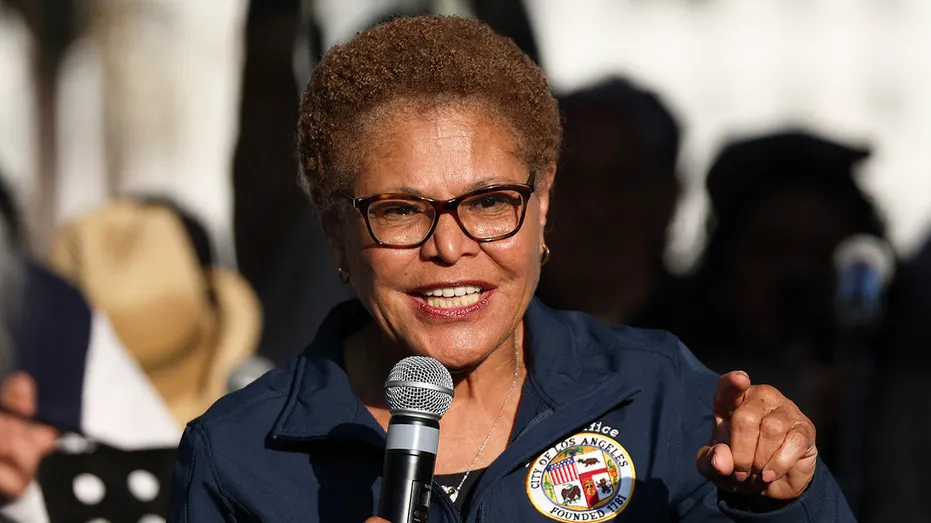
The debate over the Olympic Wage mandates reflects a larger struggle between regulatory goals and economic realities. Proponents argue that higher wages will improve living standards and attract skilled labor, while opponents contend that the policies are stifling growth and forcing businesses into unsustainable positions. The city’s Democratic mayor, Karen Bass, has defended the mandates, attributing the labor challenges to broader systemic issues rather than local regulations.
Despite the political pushback, the city’s efforts to elevate wages have been supported by powerful unions, such as UNITE HERE Local 11, which played a key role in advocating for the measure. Critics, however, point to the unintended consequences, such as reduced hiring and operational cutbacks. The EPI’s report underscores that these mandates are not just a local issue but part of a national trend toward higher labor costs, which may serve as a model for other cities. “The data clearly shows a correlation between increased wage requirements and declining employment,” the institute concluded, adding that the trend has persisted despite the relatively stable state of the broader economy.
The situation also highlights the tension between public policy and private-sector needs. While the city aims to improve worker conditions, hotel operators are now forced to make difficult decisions about staffing and expenses. The delay of the $30-an-hour mandate offers temporary relief but does not fully resolve the underlying challenges. As the Los Angeles area prepares to showcase its global appeal through major events, the question remains whether the current workforce reductions will hinder its ability to deliver a seamless experience for visitors.
In a related development, the twin cities of St. Paul and Minneapolis have faced similar criticism for their aggressive wage hikes, which have been scrutinized for their impact on local economies. The exposure of job losses in Los Angeles has drawn attention to the broader implications of such policies, particularly in regions reliant on tourism and seasonal employment. While the city’s leaders continue to push for higher wages, the growing concern among industry stakeholders suggests that a more balanced approach may be needed to sustain both economic growth and workforce stability.
Looking Ahead: Balancing Regulation and Recovery
As Los Angeles moves forward with its revised wage schedule, the focus will shift to monitoring its effects on employment and industry health. The delayed timeline may provide a window for businesses to adapt, but the long-term success of the policy will depend on how effectively it addresses the root causes of the labor crunch. Meanwhile, the city’s political leaders face the challenge of maintaining public support for the mandates while managing the financial and operational fallout.
The EPI’s findings serve as a reminder that wage policies, though well-intentioned, can have far-reaching consequences. For LA’s hotels, the path to recovery may involve not only adjustments to the minimum wage but also broader strategies to streamline costs and enhance efficiency. As the 2028 Olympic Games approach, the industry will need to demonstrate resilience, balancing the city’s aspirations with the realities of its workforce. The outcome of this struggle could shape the future of hospitality in Los Angeles and set a precedent for other urban centers navigating similar challenges.