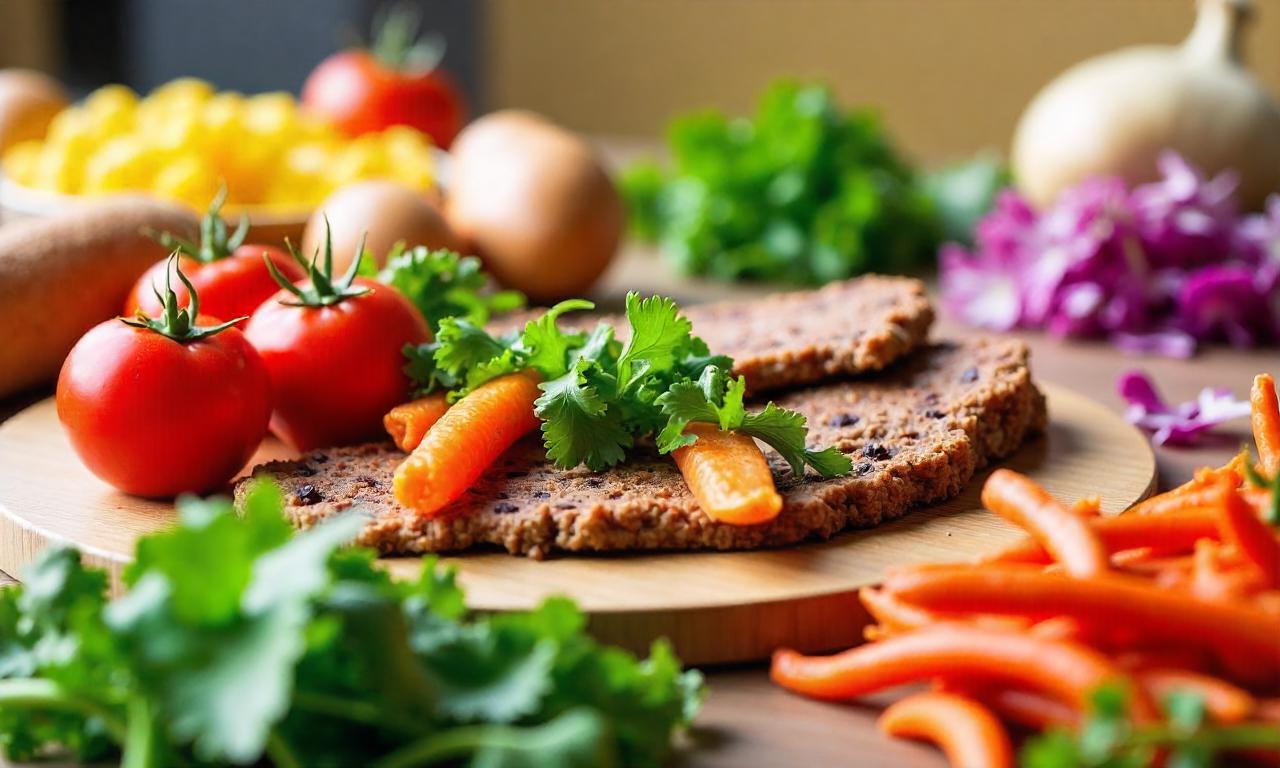
In today’s health and sustainability-conscious world, vegetarian diet vs vegan diet has become a topic of widespread interest. Whether you’re looking to reduce your environmental footprint, improve your physical well-being, or align your eating habits with ethical beliefs, understanding the distinction between these two plant-based approaches is essential. While both diets exclude meat, they differ in their inclusion of other animal-derived products, leading to unique nutritional profiles, lifestyle considerations, and health benefits. This article will delve into the core differences between vegetarian diet vs vegan diet, exploring their definitions, dietary components, advantages, and challenges.
Definitions and Core Principles
Before diving into the specifics, it’s crucial to clarify what each diet entails. A vegetarian diet is a dietary pattern that excludes meat, including red meat, poultry, and fish. However, it may include animal products such as dairy, eggs, and honey. This allows vegetarians to consume plant-based foods like fruits, vegetables, grains, and legumes, as well as animal-derived products like milk, cheese, and eggs.
On the other hand, a vegan diet is more restrictive. It excludes not only meat but also all animal products, including dairy, eggs, honey, and gelatin. Vegans rely entirely on plant-based foods, such as fruits, vegetables, grains, nuts, seeds, and legumes, and avoid any food that involves animal exploitation. This distinction makes vegetarian diet vs vegan diet a key point of debate in nutritional science and environmental discussions.
The core principle of both diets is to minimize the consumption of animal products, but their philosophical and nutritional foundations differ. Vegetarianism often stems from ethical, religious, or cultural beliefs, while veganism is typically driven by a commitment to animal welfare, environmental sustainability, and health. Understanding these principles sets the stage for comparing their practical applications and benefits.
What Constitutes a Vegetarian Diet?
A vegetarian diet includes a variety of plant-based foods and may also incorporate animal by-products such as dairy and eggs. There are several subtypes of vegetarianism, each with its own rules: – Lacto-vegetarian: Includes milk and dairy products but excludes eggs. – Ovo-vegetarian: Includes eggs but excludes dairy. – Lacto-ovo vegetarian: Consumes both dairy and eggs. – Pescetarian: A hybrid diet that includes fish but excludes other meats.
These variations allow individuals to tailor their vegetarian diet vs vegan diet choices based on personal preferences and dietary needs. For example, someone who avoids dairy but consumes eggs would follow an ovo-vegetarian plan, while a pescetarian might include fish to ensure adequate protein and omega-3 fatty acid intake.
What Constitutes a Vegan Diet?
A vegan diet is the most comprehensive plant-based lifestyle, eliminating all animal products. This includes meat, dairy, eggs, honey, and even animal-derived ingredients like gelatin, which is found in some processed foods. Vegans often choose this path for ethical reasons, such as opposing animal cruelty, or for health-related motivations, like reducing saturated fat and cholesterol.
The vegan diet emphasizes whole foods, including a wide range of fruits, vegetables, legumes, nuts, seeds, and plant-based proteins like tofu and tempeh. It also incorporates plant-based beverages such as almond milk, soy milk, and oat milk, which are commonly used to replace dairy. This strict approach ensures that vegans avoid any indirect animal exploitation, making vegetarian diet vs vegan diet a significant consideration for those seeking the most sustainable and ethical eating habits.
The Key Difference in Animal Products
The primary difference between vegetarian diet vs vegan diet lies in the inclusion of animal products. Vegetarians may consume dairy, eggs, and honey, while vegans abstain from all of these. For instance, a vegetarian might enjoy a glass of milk or a slice of cheese, but a vegan would opt for almond milk or a plant-based cheese alternative instead.
This distinction has important implications for nutritional intake. While vegetarians can easily obtain protein, calcium, and vitamin B12 from animal products, vegans must rely on plant-based sources such as legumes, tofu, and fortified foods. This means vegans need to be more mindful of their dietary requirements and ensure they meet all essential nutrients through careful planning.
Dietary Components and Food Choices
When comparing vegetarian diet vs vegan diet, one of the most noticeable differences is the range of food options available. Vegetarians have more flexibility in their dietary components, while vegans must carefully select plant-based foods to meet all their nutritional needs.
Meat and Fish: The First Major Division
The most straightforward difference between vegetarian diet vs vegan diet is the consumption of meat and fish. Vegetarians include meat and fish in their diets, depending on their specific type. For example, a lacto-ovo vegetarian might eat chicken and fish, while a lacto-vegetarian would avoid them entirely.
Vegans, however, exclude all types of animal flesh, including red meat, poultry, and seafood. This means they must source protein from plant-based alternatives like lentils, chickpeas, quinoa, and soy products. While this can be challenging, many vegans find creative ways to incorporate these foods into their meals.
Dairy and Eggs: The Second Major Division
Beyond meat and fish, the difference between vegetarian diet vs vegan diet becomes apparent when considering dairy and eggs. Vegetarians often include these products as part of their dietary components, which can help meet certain nutritional needs. For example, dairy provides calcium and vitamin D, while eggs are a rich source of protein and B12.
In contrast, vegans exclude dairy and eggs, which means they must rely on other sources for these nutrients. This might include fortified plant milks, leafy green vegetables, and supplements. The absence of these animal products in a vegan diet can lead to a more varied and creative approach to meal preparation, as vegans often experiment with alternative ingredients to replicate traditional dishes.
Plant-Based Alternatives: A Shared Goal
Despite their differences, both vegetarian diet vs vegan diet aim to promote plant-based eating. Vegetarians may use dairy and eggs to enhance their meals, while vegans depend entirely on plant-based alternatives. This shared focus on plant-based foods means that both diets emphasize whole, unprocessed ingredients and encourage nutrient-dense meals.
For example, a vegetarian might enjoy a slice of pizza with cheese, while a vegan would opt for a plant-based cheese or substitute it with a dairy-free alternative. Similarly, a vegetarian might eat a quiche with eggs, whereas a vegan would choose a vegetable frittata made with tofu or a mix of vegetables. These food choices reflect the difference between vegetarian diet vs vegan diet and how each adapts to meet individual preferences.
Common Foods in Both Diets
While vegetarian diet vs vegan diet differ in their dietary components, they share many common foods. Both diets include fruits, vegetables, grains, legumes, and nuts. These plant-based foods are rich in essential nutrients, such as fiber, vitamins, and minerals, and form the foundation of both eating patterns.
One of the advantages of vegetarian diet vs vegan diet is that they often overlap in their food choices, making it easier to transition between the two. For instance, a vegetarian might start with a lacto-ovo vegetarian plan, incorporating dairy and eggs, and later shift to a vegan diet by eliminating these products. This flexibility allows individuals to experiment and find what works best for their health and lifestyle goals.
Health Benefits and Nutritional Considerations
When evaluating vegetarian diet vs vegan diet, it’s important to consider their health benefits and nutritional considerations. Both diets offer significant advantages, but they also have unique challenges.
Improved Heart Health
One of the major health benefits of both vegetarian diet vs vegan diet is their positive impact on cardiovascular health. Studies have shown that plant-based diets are associated with lower levels of cholesterol and triglycerides, which can reduce the risk of heart disease.
Vegetarians who consume dairy and eggs may still benefit from this health advantage, as these foods are lower in saturated fat compared to meat. However, vegans who avoid all animal products may experience even greater improvements in heart health, since their diets are free from cholesterol and saturated fat.
Weight Management and Metabolic Health
Another health benefit of vegetarian diet vs vegan diet is their potential to aid weight management and metabolic health. Both diets are typically low in saturated fats and high in fiber, which can promote satiety and digestion.
Research suggests that vegan diets may lead to greater weight loss compared to vegetarian diets, as they eliminate not only meat but also dairy and eggs, which can contribute to higher calorie intake. However, this doesn’t mean vegetarians can’t achieve healthy weight goals—it simply requires careful attention to portion sizes and food choices.

Nutrient Density and Antioxidant Intake
Both vegetarian diet vs vegan diet are rich in nutrient-dense foods, such as fruits, vegetables, and whole grains, which provide essential vitamins and minerals. However, vegans must ensure they get vitamin B12, iron, and calcium from plant-based sources.
While vegetarians can obtain B12 and iron from eggs and dairy, vegans may need to rely on fortified foods or supplements. This nutritional consideration highlights the difference between vegetarian diet vs vegan diet and the importance of planning meals to avoid deficiencies.
Digestive Health and Gut Microbiome
A key health benefit of vegetarian diet vs vegan diet is their positive effect on digestive health and gut microbiome. The high fiber content of plant-based foods can improve bowel regularity and gut health.
Vegans, who consume more fiber than vegetarians, may experience better digestion and a healthier gut microbiome, as fiber supports probiotic growth and digestive enzymes. However, vegetarians can still benefit from this advantage by incorporating fiber-rich foods like whole grains and legumes.
Lifestyle Considerations and Ethical Implications
When comparing vegetarian diet vs vegan diet, lifestyle factors and ethical implications play a significant role. These include environmental impact, animal welfare, and personal values.
Environmental Impact and Sustainability
One of the most notable lifestyle considerations in vegetarian diet vs vegan diet is their environmental impact. Both diets are more sustainable than meat-heavy diets, as they reduce greenhouse gas emissions and land and water usage.
However, vegan diets have an even smaller environmental footprint because they eliminate all animal products, including dairy and eggs. This means vegans contribute less to deforestation, water pollution, and carbon emissions. For example, producing 1 kilogram of beef requires significantly more resources than producing 1 kilogram of plant-based protein.
Animal Welfare and Ethical Choices
The ethical implications of vegetarian diet vs vegan diet are closely tied to animal welfare. Vegetarians often choose their dietary components based on personal beliefs, such as avoiding red meat but still consuming dairy and eggs.
Vegans, however, take animal welfare to the next level by eliminating all animal products, including honey and gelatin. This ethical stance reflects a deeper commitment to non-violence and sustainability, as vegans argue that even indirect animal exploitation (like using animal-derived ingredients) is undesirable.
Practicality and Social Considerations
A key factor in the difference between vegetarian diet vs vegan diet is practicality and social considerations. Vegetarians often find it easier to integrate into social settings, as they can consume common foods like cheese, eggs, and milk.
Vegans, on the other hand, may face challenges when dining out or at social gatherings, as animal-derived products are more widely consumed. This practical aspect can influence an individual’s choice between vegetarian diet vs vegan diet.
Cultural and Religious Influences
Cultural and religious influences also shape the difference between vegetarian diet vs vegan diet. Many religions, such as Hinduism, Buddhism, and Jainism, promote vegetarianism as a way to show respect for all living beings.
In contrast, veganism often aligns with ethical and environmental beliefs, such as those found in animal rights movements. This cultural and religious context can help individuals justify their dietary choices based on personal values.
Challenges and Common Misconceptions
While both vegetarian diet vs vegan diet have health and ethical benefits, they also present challenges and common misconceptions that should be addressed.
Nutritional Deficiencies and Supplementation
One of the most common challenges in vegetarian diet vs vegan diet is the risk of nutritional deficiencies. Vegetarians can generally meet their nutritional requirements through dairy and eggs, but vegans must be cautious about vitamin B12, iron, and calcium.
For example, vitamin B12 is primarily found in animal products, so vegans may need to take supplements or consume fortified foods like nutritional yeast and plant-based milks. Similarly, iron can be obtained from legumes and leafy greens, but vegans must ensure they get sufficient intake to avoid anemia.
Social and Psychological Factors
Another challenge in vegetarian diet vs vegan diet is social and psychological factors. Many people struggle with social pressure when adhering to a strict diet, especially vegans who must avoid all animal products.
This can lead to common misconceptions, such as the belief that vegans are too strict or that vegetarians are less committed to their dietary choices. However, both diets require discipline and awareness, as they involve changing long-standing eating habits.
Accessibility and Affordability
The accessibility and affordability of vegetarian diet vs vegan diet can also affect their practicality. In developed countries, plant-based foods are widely available, making both diets relatively easy to adopt.
However, in regions where animal products are more affordable, vegetarians may find it more cost-effective to include dairy and eggs in their daily meals. This economic factor can influence an individual’s choice between vegetarian diet vs vegan diet.
Flexibility and Adaptability
Finally, flexibility and adaptability are important considerations when comparing vegetarian diet vs vegan diet. Vegetarians can transition more easily to a flexitarian approach, where they eat meat occasionally.
Vegans, on the other hand, may find strict adherence to their dietary principles more challenging, but they can still adapt by experimenting with plant-based recipes and using substitutes for animal products. This flexibility allows individuals to choose the best fit for their lifestyle and preferences.
Conclusion
In summary, the difference between vegetarian diet vs vegan diet lies in their inclusion of animal products, which affects nutritional intake, lifestyle considerations, and ethical beliefs. While vegetarians may consume dairy and eggs, vegans abstain from all animal-derived ingredients, leading to distinct dietary components.
Both diets offer significant health benefits, such as improved heart health and weight management, but vegans may have more stringent requirements for nutrient-dense meals. Additionally, lifestyle factors like environmental impact and social adaptability play a crucial role in choosing between vegetarian diet vs vegan diet.
Ultimately, the choice between vegetarian diet vs vegan diet depends on personal goals, values, and preferences. Whether you’re looking to reduce animal exploitation, improve your health, or minimize your environmental impact, both plant-based approaches can be effective and sustainable. By understanding the core differences, individuals can make informed decisions and find the best dietary plan for their needs and lifestyle.