Trump DOJ Expands Religious Liberty Protections
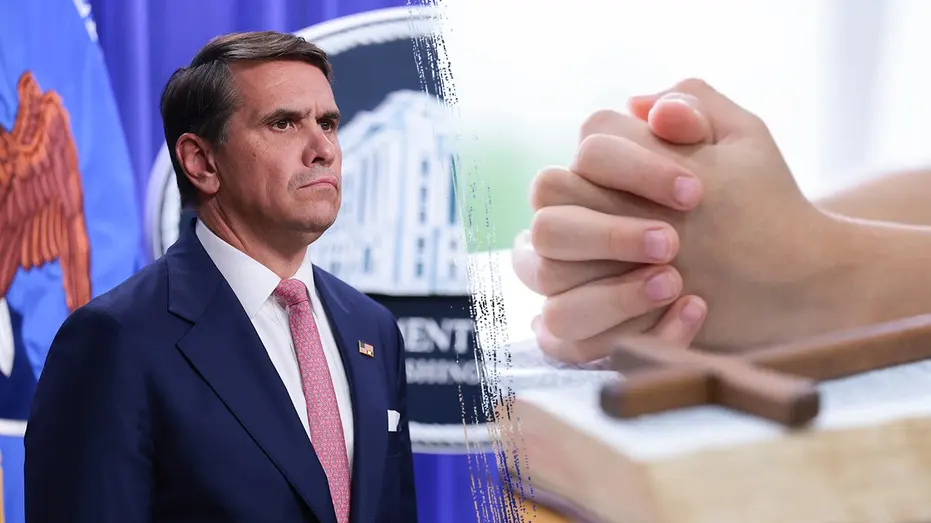
Explorehotelworld.com – Trump DOJ expands religious liberty protections through a sweeping new directive that reshapes how federal agencies approach faith-based considerations. Issued on Thursday, this comprehensive guidance instructs government bodies to prioritize religious freedom across multiple operational domains. The updated framework requires agencies to weigh religious convictions more heavily when drafting regulations, enforcing existing laws, and making workplace accommodations. This represents the most significant revision to the Department of Justice’s official position on religious liberty since 2017.
Legal Foundations and Constitutional Mandates
Acting Attorney General Todd Blanche announced that the updated memorandum reflects nearly a decade of evolving Supreme Court precedent. The primary objective is ensuring federal entities adequately safeguard the rights of religious citizens across several key areas. These domains include employment practices, federal contracting processes, grant allocations, rulemaking procedures, and general enforcement actions. By aligning with these updated standards, agencies aim to create a more inclusive environment for employees and contractors whose beliefs influence their professional lives.
The revised instructions explicitly command executive branches to verify that internal policies adhere to the First Amendment, the Religious Freedom Restoration Act, and Title VII of the Civil Rights Act. Furthermore, the guidance incorporates recent judicial decisions that have broadened the scope of protections available for religious exercise. Among the notable adjustments, the department emphasized that agencies must evaluate religious-liberty implications at an earlier stage during the creation of new regulations. This proactive approach helps prevent conflicts before they arise.
Supreme Court Precedents Drive Policy Changes
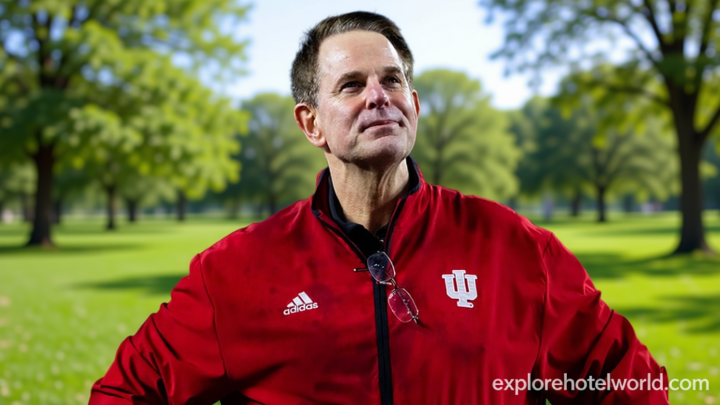
A significant portion of the updated guidance draws upon two pivotal Supreme Court victories that have reshaped the legal landscape for religious freedom. One landmark case is Kennedy v. Bremerton School District, where the highest court determined that a public high school football coach’s postgame prayer was shielded by the First Amendment. This ruling supports the notion that religious expression in public spaces should not be suppressed merely because it occurs in a government setting.
The second critical case referenced is Groff v. DeJoy. In this decision, the Court held that employers are generally obligated to provide religious accommodations unless doing so would create a substantial hardship for the business. This standard provides clearer guidance for federal agencies regarding how to handle requests for religious leave or dress code modifications. The Office of Legal Policy will maintain ongoing collaboration with federal departments to scrutinize proposed regulations and other governmental actions for consistency with these federal religious-liberty protections.
Additionally, the updated framework mandates that federal workplaces accommodate religious expression whenever the law requires it. It also seeks to level the playing field, ensuring that faith-based organizations can bid for federal grants and contracts on terms equal to secular counterparts. The document further reinforces the constitutional authority of churches to manage their own internal governance without undue interference. It also underscores recent judicial recognition of parental rights to guide the spiritual development of their children.
Implementation and Broader Implications
Kelly Shackelford, who serves as the president and CEO of the Liberty Institute, praised the new guidance as a significant step forward. He noted that the directive provides clear direction for federal agencies navigating complex religious liberty questions. The implementation process will involve reviewing existing regulations and updating internal procedures to align with the new standards. Agencies have been instructed to submit reports on their compliance efforts within specified timeframes.
The expanded protections are expected to have far-reaching effects across the federal government. From education departments to healthcare agencies, organizations will need to reassess how they handle religious accommodations and expressions. Legal experts anticipate increased litigation as agencies adjust to the new requirements, but many view this as a natural part of the transition. The guidance also signals a shift in how the federal government balances competing interests in an increasingly diverse society.
The Trump DOJ expands religious liberty protections by building on strong constitutional foundations and recent Supreme Court victories, creating a more robust framework for faith-based considerations in government operations.