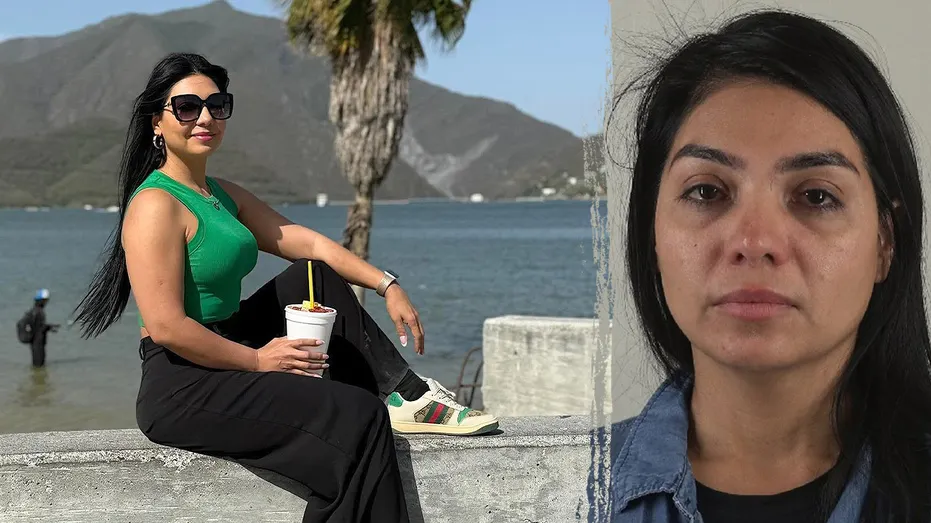
Texas Real Estate Agent Suspected in Cold Case Stabbing
Explorehotelworld.com – Arlington law enforcement officials have arrested Mayra Velasquez, a Texas real estate agent suspected in connection with the brutal 2012 murder of Irasema Chavez. The 42-year-old suspect was taken into custody on July 17 and transported to the Tarrant County Corrections Center, where she remains detained without the possibility of bond. Capital murder charges now face Velasquez following the extensive investigation that ultimately connected her to the crime scene decades after the tragic incident.
The Discovery of a Tragic Victim
On January 20, 2012, emergency responders discovered the body of 32-year-old Irasema Chavez inside her second-floor residence located along the 2700 block of South Collins Street. Forensic examination revealed that Chavez had sustained approximately 100 stab wounds, making this one of the most violent cases in the area’s recent history. Investigators noted the absence of forced entry indicators, suggesting that either Chavez recognized her attacker or voluntarily opened her door to welcome someone inside.
Surveillance footage captured by local television station KDFW-TV documented events from the evening preceding the discovery. The recording revealed an individual dressed in loose-fitting garments and a hooded sweatshirt ascending the staircase toward Chavez’s apartment. This person knocked on the door, appeared to converse with someone inside, and was subsequently admitted. Despite police releasing this video to the public in an effort to identify the visitor, the unclear image did not immediately yield the crucial breakthrough detectives required.
Scientific Breakthrough After Years of Silence
While the case initially went cold, investigators preserved critical evidence from the apartment. Blood samples recovered from the scene did not belong to Chavez, providing a vital clue for future analysis. In 2016, Arlington police collaborated with Parabon NanoLabs, a Virginia-based scientific organization, to examine the unidentified DNA. Using advanced DNA phenotyping technology, researchers generated a composite prediction of the blood donor’s probable physical characteristics, indicating long brown hair and Latino heritage.
Despite this scientific advancement, no definitive suspect materialized for several years. The investigation experienced renewed momentum in November 2024 when Arlington authorities presented the case to the FBI’s Dallas Field Office and requested assistance through the bureau’s investigative genetic genealogy program. This sophisticated process delivered what officials characterized as a substantial lead earlier in 2024. Following the collection of supplementary evidence, detectives secured an arrest warrant for Velasquez, the Texas real estate agent suspected of the decades-old crime.
Life After the Alleged Crime
Social media documentation reveals that Velasquez continued her professional and personal activities following the alleged murder. The real estate agent maintained an active Texas license and was affiliated with Pure Realtors LLC according to state records. Her online presence featured photographs from international travels, including visits to Peru, Mexico, Paris, and London, all captured after the tragic incident. These vacation photos painted a picture of normalcy that contrasted sharply with the violent crime she was now suspected of committing.
Tarrant County’s inmate database currently lists Velasquez’s offense as “capital murder by terror threat/other felony.” Authorities have not yet disclosed the specific evidence that validated the genetic genealogy findings, nor have they confirmed whether Velasquez and Chavez had a prior relationship. A joint press conference involving Arlington police and the FBI is scheduled for Wednesday at 10:30 a.m. CST to provide additional details regarding the arrest. Fox News Digital has contacted both Velasquez’s legal representation and Pure Realtors LLC for further commentary.
The case gained new life in November 2024, when Arlington police brought it to the FBI’s Dallas Field Office and sought help from the bureau’s investigative genetic genealogy program.