African and Caribbean Leaders Demand Reparations and Apologies for Historical Slavery
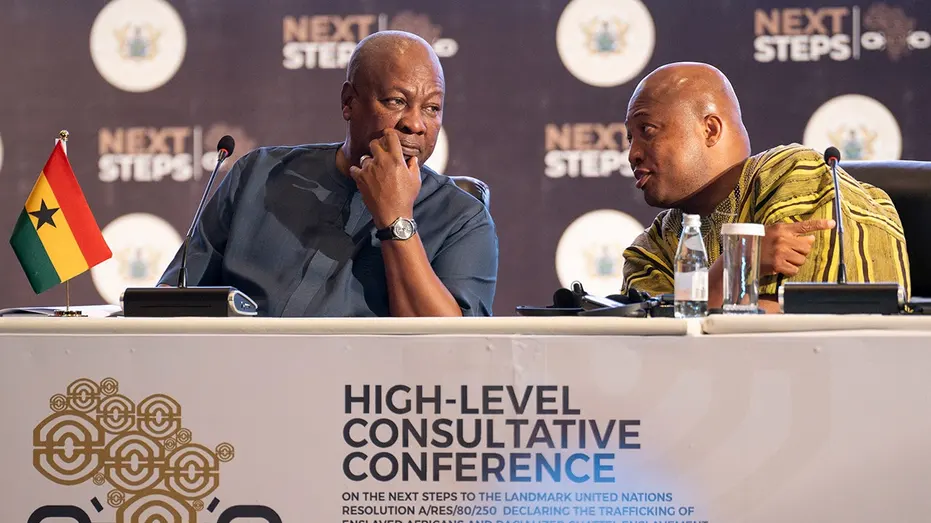
African and Caribbean leaders call for payments – Leaders from Africa and the Caribbean have launched a formal campaign to secure reparations, debt relief, and official acknowledgments of the legacy of transatlantic slavery. The initiative, spearheaded by the African Union and Caribbean Community (CARICOM), aims to address the historical injustices that continue to shape economic and social inequalities today. During a recent three-day summit in Accra, Ghana, representatives from these regions endorsed a 19-point plan that emphasizes reparatory justice, calling for accountability from nations that profited from centuries of forced labor and exploitation.
Key Components of the Reparations Framework
The proposed framework includes three pillars: financial compensation for descendants of enslaved populations, the cancellation of economic debts imposed by former colonial powers, and formal apologies from countries directly involved in the slave trade. African and Caribbean leaders call for a Global Reparations Fund to support education, infrastructure, and cultural preservation projects in affected communities. This plan also demands the restitution of artifacts and ancestral remains held in European museums, symbolizing the enduring ties between the Global North and the trauma of displacement.
International financial institutions are another focal point of the initiative. African and Caribbean leaders call for reforms to systems that have historically favored developed nations, arguing that these structures perpetuate economic disparities. By linking modern financial systems to historical debts, the reparations movement seeks to ensure that the benefits of past exploitation are shared with those who suffered its consequences. The framework also highlights the need for legal recognition of slavery as a crime against humanity, reinforcing its moral and political significance.
Global Recognition and Political Challenges
The push for reparations gained momentum after a UN resolution in March formally recognized transatlantic slavery as the “gravest crime against humanity.” This decision, supported by 123 nations, has provided a foundation for African and Caribbean leaders to demand accountability. However, the initiative faced pushback from the U.S., Israel, and 52 other countries, which either opposed the resolution or abstained. Critics argue that such classifications could dilute the urgency of other human rights issues, but advocates insist that slavery’s scale and impact justify its unique status in the global reckoning.
Despite opposition, the reparations plan is set to be formally introduced at the upcoming UN General Assembly. African and Caribbean leaders call for a unified approach to leverage international platforms and amplify their voices in global discussions. The summit in Accra marks a critical step in this effort, uniting nations to pressure governments for reparations that reflect the full extent of historical harm. This coordinated strategy underscores the growing consensus among these leaders to confront the past and reshape the present.
Voices and Perspectives from the Summit
Ghanaian President John Dramani Mahama, who hosted the summit, emphasized the shared responsibility of nations in addressing slavery’s legacy. “None of us can be held personally accountable for the atrocities of the transatlantic slave trade,” he stated,
“but we must inherit the responsibility to make amends.”
His remarks resonated with delegates, who stressed the importance of systemic change over individual blame. Meanwhile, French President Emmanuel Macron acknowledged the enduring impact of slavery, describing the forced separation of families as “torn from their homelands, deported, dehumanized, and treated as goods.” Macron’s speech highlighted the ongoing debate over the scope and scale of reparations, with some viewing them as a necessary step toward justice and others as symbolic gestures.
The summit in Accra also featured discussions on the cultural and economic dimensions of the reparations movement. African and Caribbean leaders call for policies that integrate historical reparations into contemporary development frameworks, ensuring that the burden of past injustices does not fall solely on the Global South. By uniting under a common cause, these leaders aim to strengthen their collective voice and push for tangible actions that recognize the profound consequences of slavery. The movement’s success hinges on sustained international engagement and the willingness of former colonial powers to acknowledge their role in shaping the modern world.
Historical Context and Modern Implications
The demand for reparations builds on a long history of advocacy, rooted in the recognition of slavery’s lasting effects. At least 12.5 million Africans were forcibly removed from their homelands between the 15th and 19th centuries, leaving a legacy of economic disparity and social exclusion. African and Caribbean leaders call for a reckoning that addresses not only the immediate suffering of enslaved individuals but also the systemic structures that have continued to marginalize their descendants. By connecting historical injustices to present-day issues, the reparations framework seeks to bridge the gap between past exploitation and current inequalities.