
WHO warns of health crisis ‘unfolding in real time’ across Middle East
WHO warns of health crisis ‘unfolding in real time’ across Middle East
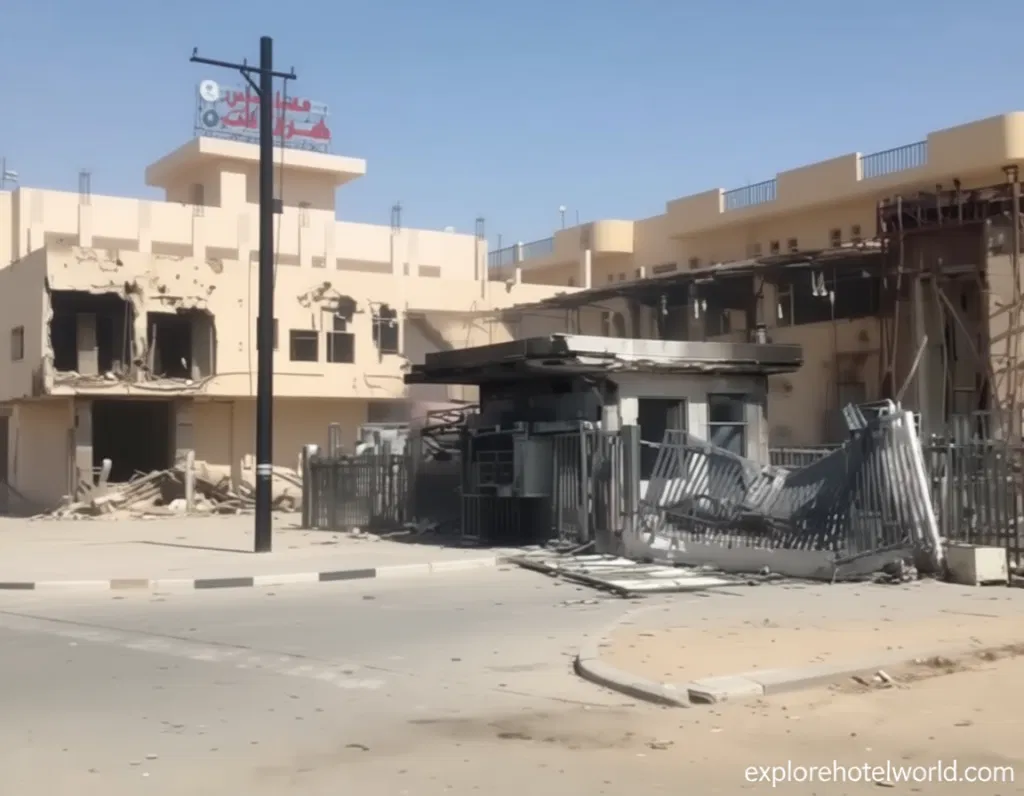
Dr. Hanan Balkhy, the World Health Organization’s regional director for the Eastern Mediterranean, has called for an immediate halt to fighting in the region to prevent a “health crisis unfolding in real time.” She emphasized that hospitals and healthcare centers must be protected as “safe havens” to avoid further deterioration of medical services.
According to official reports, the US-Israel conflict with Iran has resulted in over 1,000 fatalities in Lebanon, more than 1,500 in Iran, and 16 in Israel. Additional casualties have been documented in the West Bank and Gulf Arab states. Balkhy highlighted that hospital closures and widespread displacement—over 3.2 million in Iran and more than 1 million in Lebanon within a month—have severely disrupted care for individuals with chronic illnesses.
“What we’re witnessing now is a clear regional health crisis, escalating in real time across multiple areas,” Balkhy told the Guardian.
“It’s not just about loss of life. It’s about a complete breakdown of healthcare access in countless dimensions, far worse than we anticipated.”
She warned that the consequences of ongoing hostilities would persist even after hostilities ceased, including heightened maternal mortality, mental health struggles, and the orphaning of children.
Balkhy expressed grave concerns about the risk of nuclear sites being targeted, whether intentionally or by accident. Such attacks could lead to severe health impacts, particularly if desalination plants—critical for water supply—are further damaged. She noted that a projectile struck the Bushehr nuclear power plant grounds on Tuesday night, with a similar incident reported on March 17.
“My primary concern is driving preparations to ensure we’re ready for any scenario,” she said.
“If Iran threatens to destroy desalination facilities, it could leave millions in Gulf nations without access to clean water.”
The WHO is collaborating with other UN bodies to develop strategies to minimize the damage if such attacks occur. Balkhy also pointed out that contamination from oil or nuclear facilities could seep into underground water systems, rendering even alternative sources unsafe.
Despite the severity of the crisis, Balkhy noted that the focus of global attention remains on the US-Iran war, with the situations in Gaza, Sudan, and Yemen receiving less priority.
“It’s heartbreaking to see these other crises overlooked, as they cause immense suffering, death, and displacement.”
She urged renewed commitment to upholding international humanitarian law, stressing the importance of safeguarding healthcare infrastructure from attacks.
