
UK security adviser attended US-Iran talks and judged deal was within reach
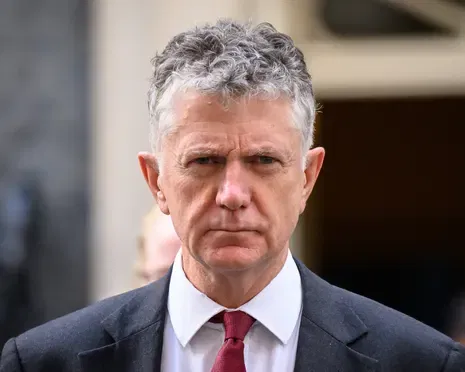
UK Security Adviser’s Role in US-Iran Negotiations and the Subsequent Attack
Jonathan Powell, the UK’s national security adviser, participated in the concluding negotiations between the United States and Iran, according to the Guardian. He assessed the Iranian proposal on its nuclear program as substantial enough to avert immediate military action, though the agreement was not finalized. The talks, held in late February in Geneva, saw progress, with Powell noting the offer as “surprising” based on reports from multiple sources.
Two days after the Geneva discussions ended, the US and Israel executed an attack on Iran. The timing of the strike followed the confirmation of a follow-up technical session in Vienna, which had yet to occur. Powell’s close involvement in the talks, as detailed by three separate sources, provided the UK with critical insights into the US-Iran dialogue, shaping its response to the military operation.
UK’s Strategic Involvement and Concerns
During the Geneva talks, Powell operated from Oman’s ambassadorial residence in Cologny, serving as a strategic advisor. His presence highlighted the UK’s apprehension regarding US expertise in the negotiations, particularly the influence of Donald Trump’s son-in-law Jared Kushner and Steve Witkoff, the US special envoy. Kushner had invited IAEA director Rafael Grossi to provide technical input, yet critics argued his grasp of the issues was incomplete.
“Witkoff and Kushner did not bring a US technical team with them. They used Grossi as their expert, but that is not his job. So Jonathan Powell took his own team,” said a former official who reviewed the talks. “The UK team expected the next round of negotiations to proceed, based on the progress made in Geneva.”
Despite the advances, the British delegation remained cautious, acknowledging the deal was incomplete. A Western diplomat noted that Powell believed a resolution was possible but that Iran had not fully met US demands, especially regarding UN inspections of its nuclear facilities. The UK’s reluctance to endorse the attack has strained its relationship with the US, according to officials.
Aftermath and Diplomatic Implications
The planned Vienna talks, scheduled for March 2, were canceled after the US and Israel launched their assault. This move underscored the UK’s belief that a diplomatic path remained viable. Powell’s deep knowledge of the negotiations, including his prior role as Tony Blair’s chief of staff, likely influenced the UK’s decision to withhold support for the attack.
Downing Street has not commented on Powell’s attendance or his evaluation of the talks. Meanwhile, Trump criticized Keir Starmer for hesitating to back the US operation, citing the refusal to permit British military bases for defensive use until Iran escalated tensions in the Gulf.
Mediation of the Geneva talks was led by Oman’s foreign minister, Badr bin Hamad Al Busaidi. Gulf diplomats did not clarify the basis for Powell’s access to the discussions, but his long-standing rapport with the US may have played a role. The UK’s engagement in the process revealed its confidence in the potential for a lasting agreement, contrasting with the abrupt military action taken by the US and Israel.
