
Iran vows to destroy Middle East water and energy facilities if US attacks power plants
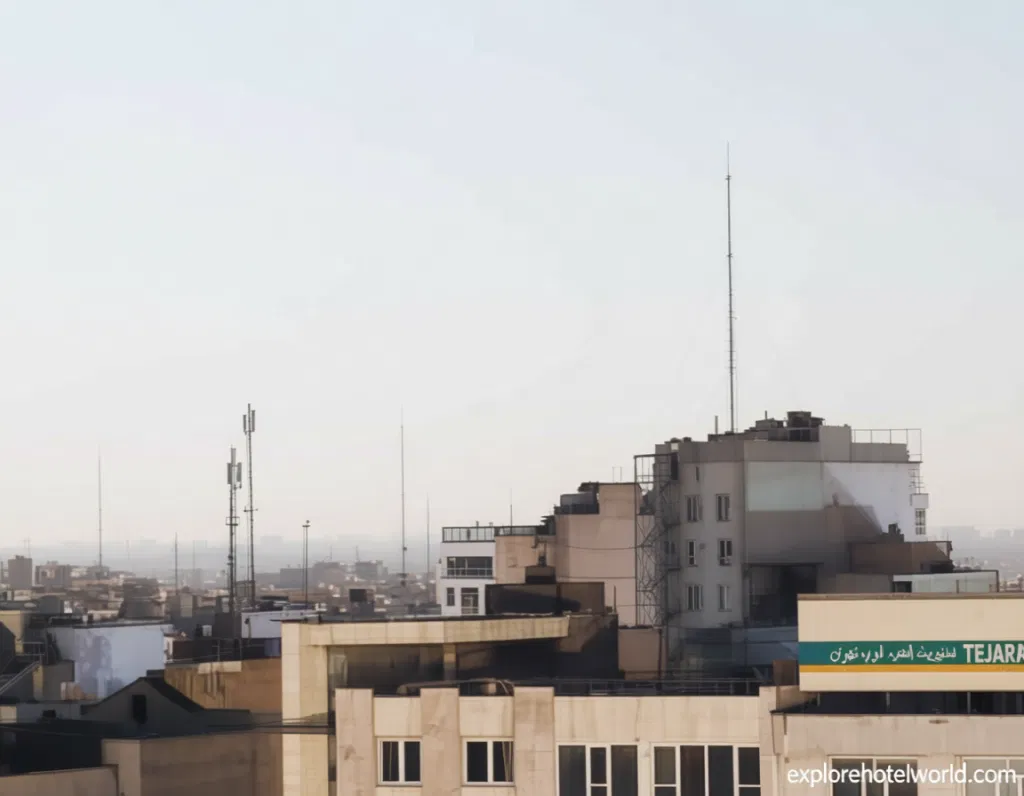
Iran pledges to dismantle Middle East water and energy infrastructure in response to US threat to target power plants
Iran’s government has warned it will “irreversibly destroy” key infrastructure across the Middle East, including vital water systems, should the United States proceed with Donald Trump’s plan to “obliterate” Iranian power plants unless the Strait of Hormuz is fully opened within two days. The escalation follows recent missile strikes by Iran on two southern Israeli cities, injuring dozens, and the deployment of long-range missiles for the first time, signaling a heightened risk of conflict. The war, now in its fourth week, has seen both sides target critical facilities essential to millions of people.
Parliament Speaker Warns of Targeting US and Israeli Infrastructure
On Sunday, Mohammad Bagher Ghalibaf, speaker of Iran’s parliament, stated that energy and desalination infrastructure in the region would be deemed a “legitimate target” if Iran’s own facilities were attacked. He emphasized that such infrastructure would be “irreversibly destroyed” in retaliation. Meanwhile, Amnesty International highlighted the potential for attacks on essential services—like electricity, heating, and water—to breach international law, with some instances possibly constituting war crimes due to their severe impact on civilian populations.
“There are gas-fired thermal power plants and other type of plants,” and “the president is not messing around,”
said Mike Waltz, the US ambassador to the UN, who supported Trump’s threat to strike Iranian power plants. He argued that Iran’s Islamic Revolutionary Guard Corps (IRGC) controls much of the country’s infrastructure and uses it to fuel its military operations. Waltz did not specify which power plant would be the first to be targeted.
Strait of Hormuz Closure and Regional Impact
Iran’s representative to the International Maritime Organisation, Ali Mousavi, claimed the strait was open to all shipping except vessels tied to “Iran’s enemies,” with coordination on security arrangements ensuring passage. However, Iranian attacks have effectively closed the narrow waterway, which transports about a fifth of global oil and liquefied natural gas. This has triggered the worst oil crisis since the 1970s and caused European gas prices to rise by up to 35% last week. Only roughly 5% of prewar shipping volume from allied nations like China, India, and Pakistan is permitted through the strait.
“The illusion of erasing Iran from the map” showed “desperation against the will of a history-making nation,”
said Masoud Pezeshkian, Iran’s president, who framed the conflict as strengthening national unity. The US had set a 48-hour deadline, expiring shortly before midnight GMT on Monday, for Iran to open the strait or face an attack on its power plants.
Retaliatory Strikes and Regional Involvement
Israel’s military confirmed it could not intercept missiles that hit Dimona and Arad, the nearest large towns to its nuclear facility in the Negev desert. The attack targeted what is widely seen as the Middle East’s sole nuclear arsenal. Air-raid sirens echoed across Israel early Sunday, warning of incoming missiles from Iran after overnight strikes injured scores. The Israeli army announced it would retaliate against Tehran, while Prime Minister Benjamin Netanyahu vowed to pursue “senior IRGC commanders.”
“We’re going after the regime. We’re going after the IRGC, this criminal gang,”
Netanyahu declared during a visit to Arad, where the attacks occurred. He added that the military would target leaders, installations, and economic assets of the IRGC. The conflict has already claimed over 2,000 lives in Iran since February 28, when the US and Israel initiated their attacks. In response, Iran has struck targets in Israel and Gulf states, drawing Lebanon into the fray after Hezbollah, an Iran-backed group, launched assaults on Israel.
