
Russian gas tanker drifting in the Mediterranean may explode, threatening environmental disaster
Russian Gas Tanker Drifting in the Mediterranean May Explode, Threatening Environmental Disaster
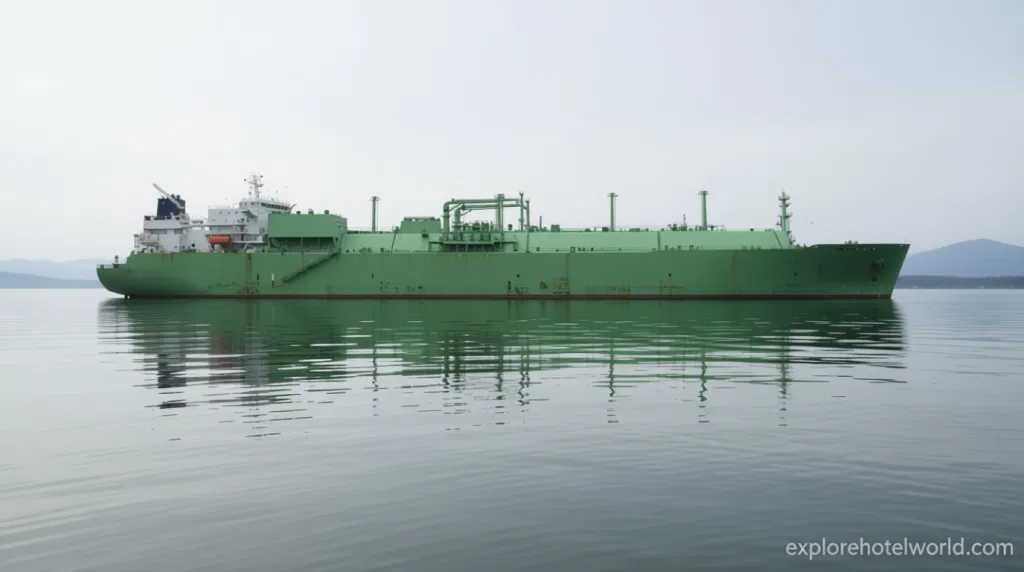
The Arctic Metagaz, a Russian gas carrier, has been adrift in the Mediterranean Sea for over a fortnight, raising escalating concerns among neighboring coastal nations and environmental advocates. The vessel, which suffered a chain of explosions, is now in a state of uncontrolled movement, according to recent reports. Moscow attributes the damage to an attack by Ukrainian maritime drones, part of a designated ‘shadow fleet.’ Kiev has yet to respond to these allegations.
Aerial imagery captured shortly after the incident reveals a massive tear spanning several dozen meters near the waterline. The scale of the destruction was so severe that Libyan officials initially misidentified the ship as a wreck on March 4. The 277-meter tanker, with its charred hull, lost control on March 3, prompting 30 crew members—primarily Russian and Filipino nationals—to flee the vessel.
As of now, Russian authorities report ongoing sounds within the ship, persistent gas emissions, and sporadic fires in certain sections. During the evacuation, 450 tonnes of fuel oil, 250 tonnes of diesel, and substantial quantities of natural gas remained in the ship’s tanks, heightening the risk of a catastrophic event. Footage from AFP on Sunday shows the Arctic Metagaz approximately 50 nautical miles southwest of Malta, its rear and flanks blackened by fire.
Environmental Risks and International Response
Environmentalists have dubbed the Arctic Metagaz a ‘floating time bomb,’ warning that a spill or explosion could wreak havoc on one of the Mediterranean’s most ecologically rich regions. Experts highlight the unpredictability of the situation, citing the ship’s compromised hull and continuing internal processes. The World Wildlife Fund (WWF) underscores that contamination from the vessel might have lasting repercussions for years to come.
European governments have also expressed apprehension. Italy, France, and seven other EU nations have collectively urged the European Commission to address the ‘immediate and serious danger’ posed to the region. The tanker is currently navigating between Malta and the Italian islands of Lampedusa and Linosa, remaining in international waters. This complicates the question of which country should lead efforts to intervene.
“As the flag state, Moscow maintains control over the situation,” stated Maria Zakharova, a Russian Foreign Ministry spokeswoman. “However, international protocols assign responsibility for environmental protection to coastal states.”
While discussions continue about who should take decisive action, the Arctic Metagaz persists in its uncontrollable drift. The threat of a major environmental incident remains high, with no clear resolution in sight. Rescue teams in Malta are on standby, prepared to act if the ship enters territorial waters. Yet, the issue of accountability remains a point of contention in diplomatic circles.
