
How to Solve Hotel Food Problems and Enhance Guest Satisfaction
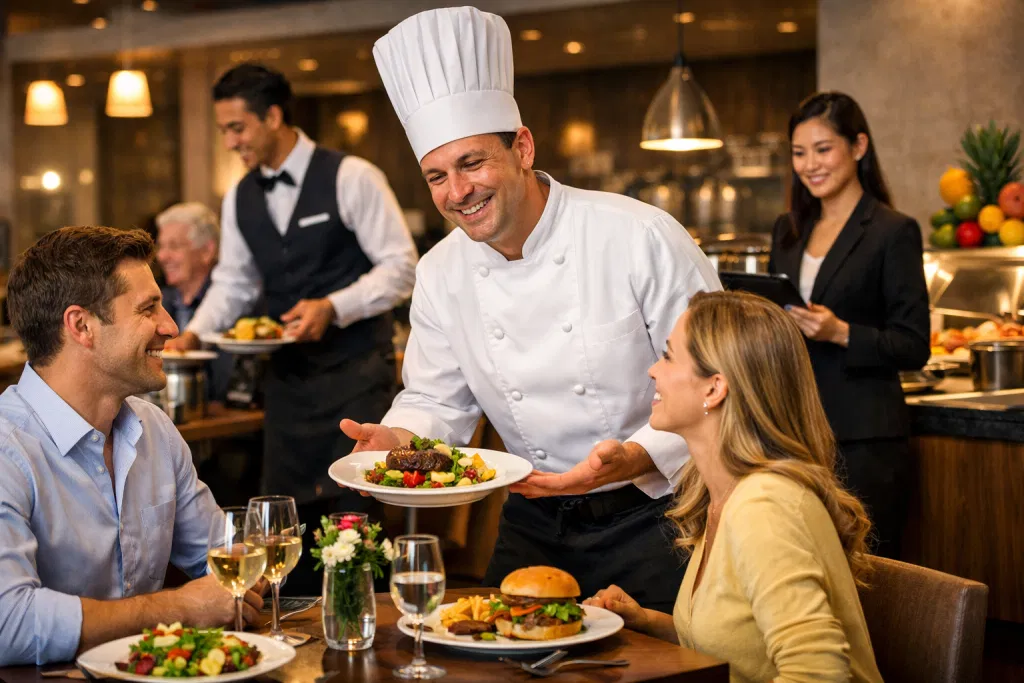
In the hospitality industry, food quality plays a crucial role in determining overall guest satisfaction. Hotel guests expect not only comfortable rooms but also delicious, fresh, and convenient dining options. Solving hotel food problems is essential to creating a memorable guest experience, as issues with food quality or service can quickly lead to negative reviews and dissatisfaction. In this article, we’ll explore practical strategies to solve common hotel food problems and improve guest satisfaction.
Understanding Common Hotel Food Problems
One of the first steps to solve hotel food problems is to understand the issues that often arise. Several challenges can affect food service in a hotel, ranging from quality and consistency to delivery delays and lack of variety. Some common problems include:
1. Inconsistent food quality – Guests expect a high level of quality each time they dine at the hotel, but kitchens can struggle to maintain this due to variations in ingredients, staff experience, or cooking equipment.
2. Delayed food service – Long wait times for food delivery can frustrate guests, especially during busy periods or large events.
3. Limited menu options – Offering the same menu items every day can cause guest dissatisfaction, particularly among repeat visitors.
4. Special dietary needs – Many guests have specific dietary restrictions, and failing to accommodate them can result in negative feedback.
5. Poor presentation – Even the best dishes can be ruined by poor presentation, affecting the overall dining experience.
By identifying these key problems, hotels can take targeted actions to address them.
Improving Food Quality and Consistency
To solve hotel food problems related to food quality, it’s crucial to focus on training, ingredients, and kitchen equipment. Here are some strategies:
– Regular training for kitchen staff: Consistency in food quality starts with well-trained chefs and kitchen staff. Regularly train your team on cooking techniques, portion sizes, and presentation standards to maintain high-quality dishes.
– Sourcing fresh, high-quality ingredients: Consistency in quality often starts with the raw materials used. Establish relationships with reliable local suppliers who can provide fresh, high-quality ingredients for your dishes.
– Menu standardization: Standardize recipes for all dishes to ensure that each meal tastes the same, regardless of which chef is preparing it.
These measures will help reduce variation in food quality and ensure guests receive a satisfying dining experience every time.
Streamlining Food Delivery and Service
Delayed food service can severely impact guest satisfaction, especially in hotels with a large volume of guests. To solve hotel food problems related to food delivery, consider the following improvements:
– Optimize kitchen workflow: Efficient kitchen layouts and clear communication channels between kitchen staff and servers are essential. Streamline food preparation and plating processes to reduce wait times.
– Implement a ticketing system: Use technology to keep track of food orders and prioritize them based on urgency. A ticketing system can help reduce confusion and speed up the order fulfillment process.
– Expand dining hours: If your hotel has a large number of guests, offering extended dining hours can prevent bottlenecks and ensure food is available when guests need it most.
With these changes, food service can be more efficient, and guests will have a better overall dining experience.
Offering a Variety of Menu Options
Guests who stay at a hotel for extended periods will likely grow tired of the same dishes if the menu lacks variety. To solve hotel food problems related to limited menu options, introduce changes like:
– Seasonal menus: Offering seasonal dishes or rotating the menu regularly can keep things fresh and exciting for returning guests.
– Regional and international cuisines: Introduce dishes inspired by local or international flavors to provide more diverse options for your guests.
– Special dietary menus: Include options for guests with dietary restrictions such as vegetarian, vegan, gluten-free, or halal. Offering a variety of choices ensures that all guests feel catered to.
This variety will not only keep guests satisfied but also demonstrate your commitment to offering high-quality food options for every taste and dietary need.
Accommodating Special Dietary Needs
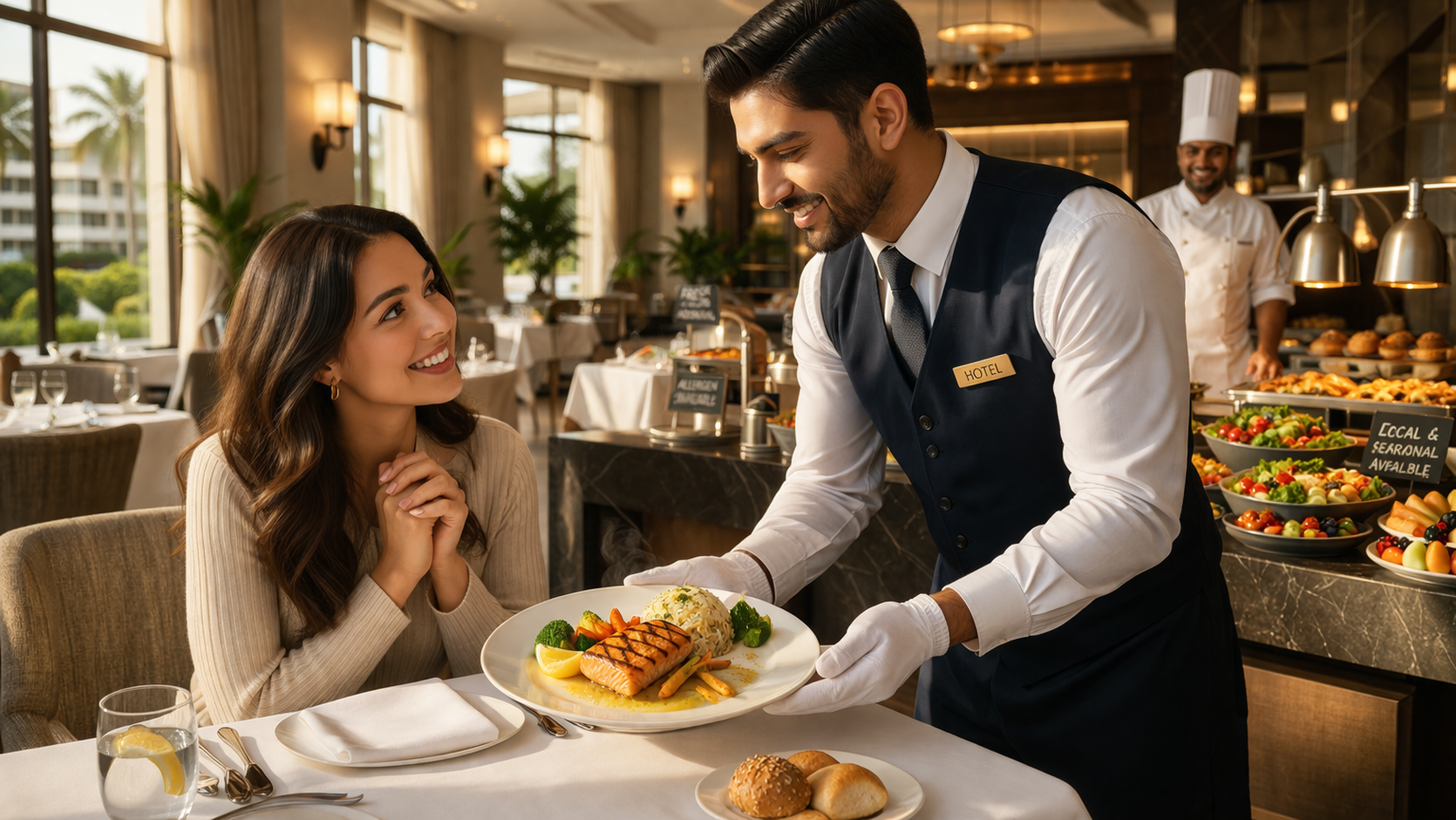
As dietary restrictions become more common, it’s essential to solve hotel food problems related to accommodating these needs. Hotels should make it easy for guests to communicate their dietary preferences and ensure they are met with the following strategies:
– Clear labeling: Make sure your menus clearly indicate which dishes are suitable for various dietary needs (e.g., gluten-free, dairy-free, etc.). This helps guests easily identify suitable options without having to ask.
– Customizable dishes: Train kitchen staff to prepare customized meals based on specific guest requests. For example, offering a plant-based protein as a substitute for meat can accommodate vegetarian or vegan guests.
– Collaborate with dieticians: Partner with dieticians or nutrition experts to create menu options that are nutritionally balanced and meet a wide range of dietary preferences.
By being proactive in catering to diverse dietary needs, hotels can enhance guest satisfaction and avoid complaints.
Improving Food Presentation and Ambience
Presentation is key to creating an unforgettable dining experience. To solve hotel food problems related to poor food presentation, consider:
– Training for plating techniques: Ensure that your kitchen staff knows how to plate food in an aesthetically pleasing manner. Small garnishes and careful arrangement of ingredients can elevate the overall experience.
– Investing in appropriate serving equipment: Using high-quality dishes, cutlery, and serving platters can improve the overall presentation of meals. Aesthetically pleasing plates can make a huge difference in how guests perceive the quality of food.
– Dining atmosphere: Create a pleasant atmosphere in the dining area with appropriate lighting, music, and decor. A welcoming ambiance enhances the food experience, making it more enjoyable.
Attention to these details will make the food at your hotel more visually appealing and create a memorable experience for guests.
Conclusion
To solve hotel food problems and enhance guest satisfaction, hotels must address common food-related challenges, including quality, service, variety, and dietary accommodations. By training staff, offering a diverse menu, improving service efficiency, and paying attention to presentation, hotels can create an exceptional dining experience that guests will appreciate and remember. Addressing food issues effectively will lead to better reviews, higher satisfaction, and increased loyalty from guests.
FAQ
Q: How can hotels solve food quality issues?
A: Hotels can improve food quality by training kitchen staff regularly, sourcing fresh, high-quality ingredients, and standardizing recipes for consistency.
Q: What can hotels do to reduce food delivery delays?
A: To reduce delays, hotels should optimize kitchen workflows, implement a ticketing system to track orders, and consider expanding dining hours.
Q: How can hotels accommodate special dietary needs?
A: Hotels can accommodate special dietary needs by offering clear menu labeling, customizable dishes, and collaborating with dieticians to ensure a variety of suitable options.
Q: Why is food presentation important in hotels?
A: Food presentation enhances the overall dining experience. Guests are more likely to appreciate well-presented meals, which contribute to higher satisfaction and positive reviews.
Q: How can hotels improve guest satisfaction through food?
A: By solving common food problems such as quality inconsistency, long wait times, and limited menu options, hotels can enhance guest satisfaction and create a memorable dining experience.
