
How to Cook for One: Simple Meals Made Easy
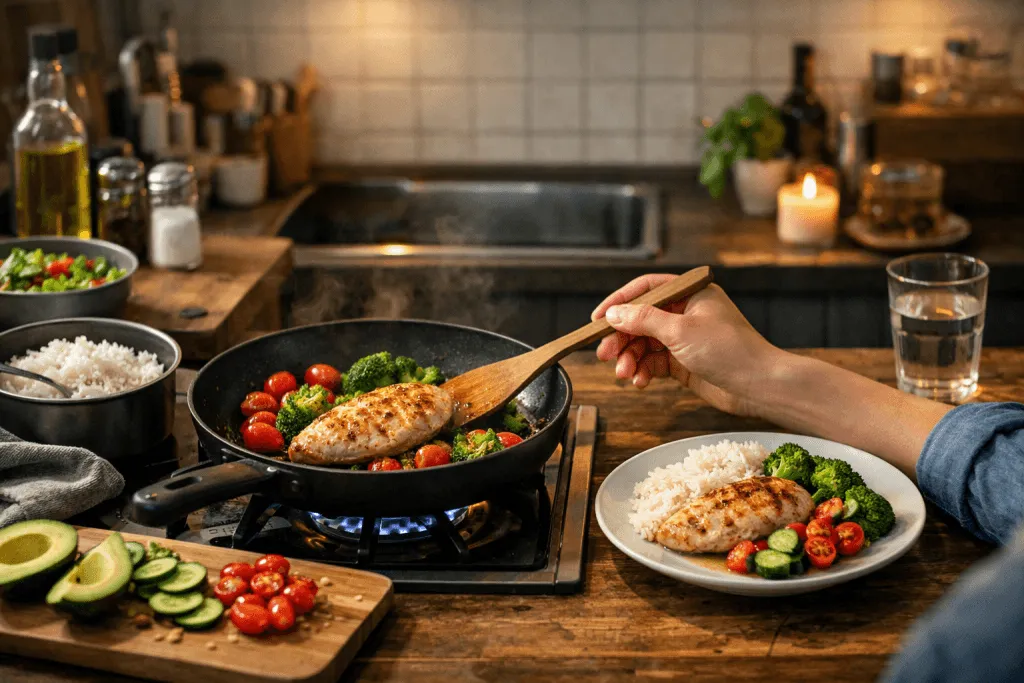
Cooking for yourself does not have to feel repetitive, expensive, or complicated. If you are searching for how to cook for one, the goal is simple: prepare balanced, satisfying meals without wasting food or spending hours in the kitchen. With the right planning, portion control, and a few adaptable recipes, solo cooking becomes efficient and enjoyable.
Learning how to cook for one is not about shrinking family recipes. It is about building a system that supports your schedule, budget, and nutrition needs. The following guide explains practical strategies, smart shopping habits, and easy meal ideas designed specifically for single servings.
Why Cooking for One Requires a Different Approach
Most recipes are written for families of four. When you cook alone, this often leads to leftovers that sit too long or ingredients that spoil before you finish them. The key to mastering how to cook for one is adjusting quantities while maintaining flavor and variety.
Portion awareness is essential. Instead of estimating, measure ingredients intentionally, especially proteins and grains. This reduces waste and helps you control both cost and calorie intake.
Time management also changes. Solo cooking should be efficient. Meals that take 15–30 minutes are ideal for daily routines, while more elaborate dishes can be reserved for weekends.
Smart Grocery Shopping for One Person
Effective solo cooking begins at the store. Planning before shopping prevents impulse purchases and unnecessary waste. Create a short weekly meal outline and buy only what supports those meals.
Choose versatile ingredients. Items like eggs, rice, pasta, canned beans, spinach, and chicken breasts can be used in multiple dishes. This flexibility simplifies how to cook for one because you avoid buying single-use ingredients.
Consider smaller packaging when available. If bulk packaging is unavoidable, divide and freeze portions immediately. For example, separate ground meat into single-serving freezer bags.
Fresh produce should be selected strategically. Instead of large heads of lettuce or big bags of vegetables, choose items that store well such as carrots, bell peppers, zucchini, or frozen vegetables.
Building Balanced Single-Serving Meals
A practical framework makes solo cooking easier. Each meal should contain three components: protein, carbohydrates, and vegetables. This structure ensures balanced nutrition without complicated recipes.
For example, a simple dinner might include grilled chicken (protein), half a cup of rice (carbohydrate), and sautéed broccoli (vegetable). The same structure can be adjusted endlessly using different seasonings and ingredients.
Breakfast can follow a similar model. Scrambled eggs with spinach and a slice of whole-grain toast create a complete meal in under ten minutes. Lunch could be a quinoa bowl with roasted vegetables and chickpeas.
When learning how to cook for one, repetition is not a problem. Reusing the same core ingredients with different spices or sauces creates variety without increasing cost.
Simple Meal Ideas for Everyday Cooking
Here are practical meal examples designed for one serving. Each requires minimal preparation and basic equipment.
One-Pan Chicken and Vegetables Season a single chicken breast with salt, pepper, and paprika. Roast it on a small tray with chopped zucchini and carrots at 400°F (200°C) for 20–25 minutes. This produces a balanced meal with minimal cleanup. Single-Serve Stir Fry Sauté sliced beef or tofu in a small pan. Add frozen mixed vegetables and a tablespoon of soy sauce. Serve over half a cup of cooked rice. This method works well for anyone practicing how to cook for one because ingredients are easy to portion. Pasta for One Cook 75–90 grams of pasta. Toss with olive oil, garlic, cherry tomatoes, and spinach. Add grated cheese or grilled shrimp for extra protein. The quantity is manageable and prevents leftover excess. Egg-Based Dinner Omelets are ideal for solo cooking. Combine two eggs with diced vegetables and cook in a small skillet. Add cheese or leftover meat for variety. Soup in Small Batches Use a small pot to simmer one or two servings of vegetable or chicken soup. Soups are flexible and allow you to use leftover vegetables before they spoil.
Meal Prep Without Excess Leftovers
Meal preparation can still work when cooking for one, but it must be controlled. Instead of cooking five identical meals, prepare base ingredients that can be combined differently throughout the week.
For example, cook two chicken breasts at once. Use one for dinner and slice the second for salads or wraps the next day. This approach supports how to cook for one without creating boredom.
Grains such as rice or quinoa can be cooked in slightly larger quantities and stored safely in the refrigerator for up to four days. Portion them into small containers immediately after cooking.
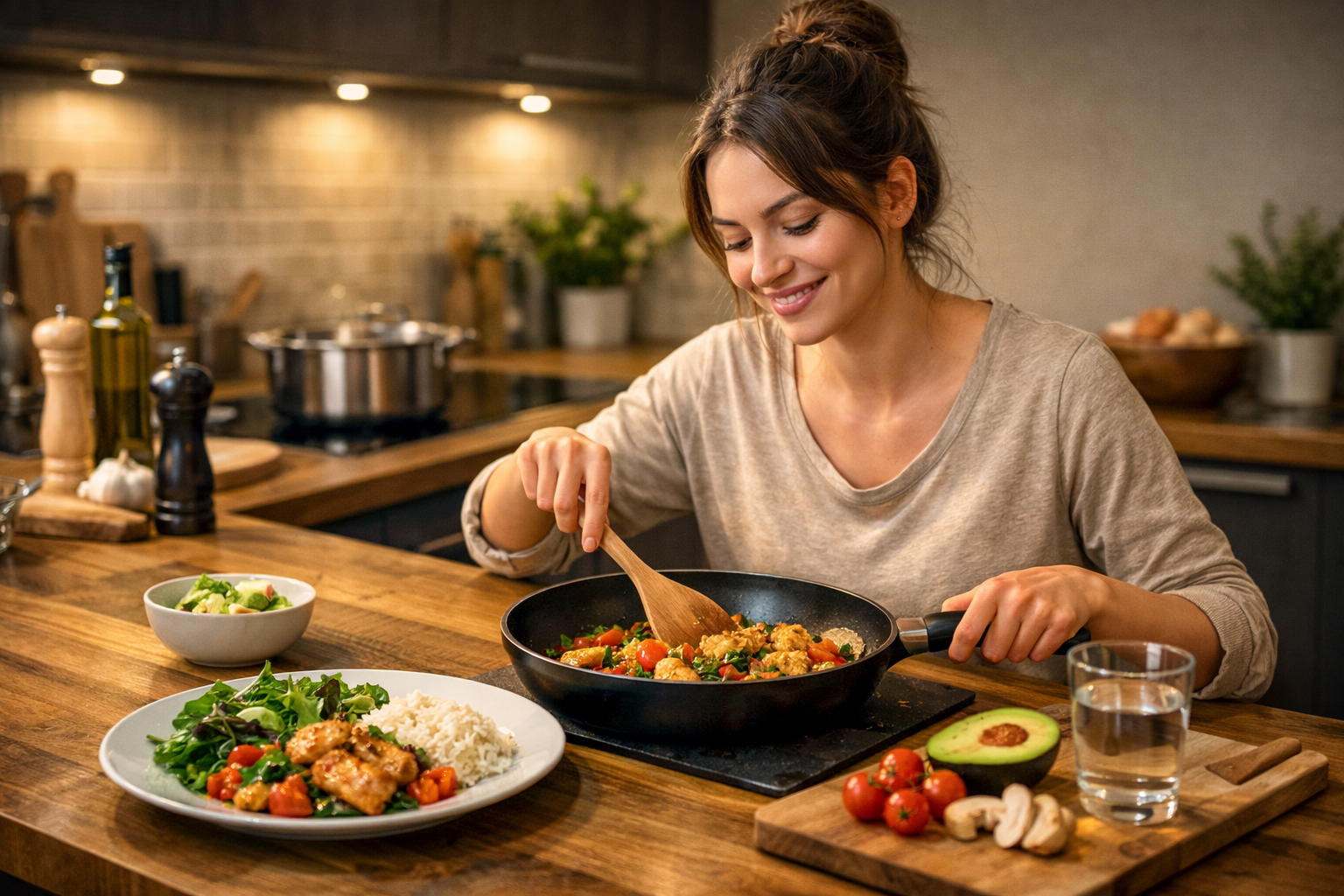
Freezing is an important strategy. Single portions of soup, cooked meat, or even pasta sauce can be stored in labeled containers. This reduces food waste and ensures quick meals on busy days.
Essential Kitchen Tools for Solo Cooking
Cooking alone does not require a large kitchen. A few well-chosen tools make the process efficient and practical.
A small non-stick skillet is ideal for eggs, stir-fries, and single portions of protein. A medium saucepan handles grains and soups. A sharp chef’s knife improves speed and safety.
Measuring cups and a digital kitchen scale are useful when adjusting recipes for one serving. They help you learn exact portions, which is central to mastering how to cook for one.
Food storage containers are equally important. Choose airtight containers in small sizes to keep leftovers fresh and organized.
Avoiding Common Mistakes
One common mistake is overcomplicating meals. Solo cooking should prioritize simplicity. Complex recipes often require ingredients that spoil before you reuse them.
Another issue is ignoring nutrition. Cooking for one does not mean relying on packaged or highly processed foods. Quick meals can still be balanced and fresh.
Finally, avoid cooking with the mindset that leftovers are failure. Controlled leftovers are strategic. Excess leftovers are the problem. Adjust quantities gradually until you consistently cook appropriate portions.
Making Solo Cooking Enjoyable
Efficiency does not eliminate enjoyment. Experimenting with herbs and spices transforms basic meals. Try adding cumin to roasted vegetables or fresh basil to pasta.
Presentation also matters. Serving your meal on a proper plate instead of eating from the pan reinforces intentional cooking habits. Learning how to cook for one is not only about practicality but also about developing independence in the kitchen.
Routine builds confidence. As you repeat simple meals, cooking becomes automatic and less time-consuming. This consistency reduces reliance on takeout and improves dietary control.
Conclusion
Understanding how to cook for one is about planning, portion control, and smart ingredient use. By focusing on balanced meals, versatile groceries, and simple recipes, solo cooking becomes efficient and sustainable. With structured habits and basic tools, preparing satisfying single-serving meals is straightforward and manageable.
FAQ
Q: How do I reduce food waste when cooking for one? A: Plan meals in advance, buy versatile ingredients, and freeze single portions immediately after cooking.
Q: What is the easiest protein to cook for one person? A: Eggs, chicken breast, tofu, and canned beans are simple, affordable, and easy to portion.
Q: Is meal prep worth it for one person? A: Yes, but prepare base ingredients rather than identical full meals to maintain variety.
Q: How can I avoid eating the same meal every day? A: Use the same core ingredients with different seasonings or sauces to create variety.
Q: How much pasta should I cook for one serving? A: Approximately 75–90 grams of dry pasta is suitable for a single portion.
