
Best Imported Pasta from Italy: Top for Authentic Taste
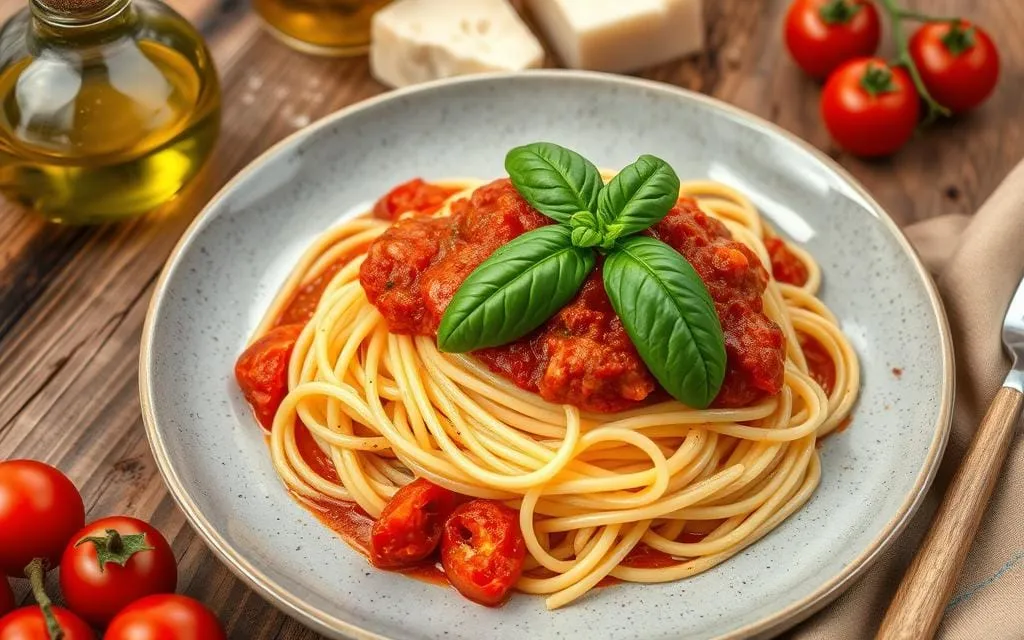
Discover the best imported pasta from Italy for a true culinary experience. From classic shapes to premium quality, elevate your meals with authentic Italian pasta.
Ever wondered if your pasta is really authentic? I’ve thought about this while walking through grocery stores. Searching for the best imported pasta from Italy is a journey worth taking.
Italy’s pasta-making tradition is unmatched, from Tuscany’s hills to Sicily’s fields. I’m here to guide you through the world of authentic Italian pasta. We’ll discover what makes it unique, how to identify it, and where to find it.
Ready to improve your pasta game? By the end of this guide, you’ll know how to pick the finest pasta from Italy. Let’s start exploring the secrets of these delicious Italian treasures!
Understanding What Makes Italian Pasta Superior
I’ve always been fascinated by the unmatched quality of Italian pasta. The secret lies in three key elements that set it apart from mass-produced alternatives. Let’s dive into what makes Italian pasta truly special.
The Importance of Durum Wheat Semolina
Durum wheat semolina is the heart of Italian pasta. This golden grain gives pasta its signature texture and flavor. It’s higher in protein than regular wheat, resulting in a firm bite that Italians call “al dente.” I’ve found that pasta made with pure durum wheat semolina holds its shape better during cooking and absorbs sauces more effectively.
Traditional Production Methods
Traditional Italian pasta production is an art form passed down through generations. These time-honored techniques prioritize slow drying at low temperatures, preserving the pasta’s nutritional value and flavor. I’ve noticed that pasta made this way has a richer taste and better texture compared to quickly dried, mass-produced varieties.
Bronze Die Extrusion Process
The bronze die extrusion process is a hallmark of premium Italian pasta. This method creates a slightly rough surface on the pasta, allowing sauces to cling better. I love how this technique enhances the overall eating experience, ensuring every bite is perfectly coated with sauce.
| Feature | Italian Pasta | Mass-Produced Pasta |
|---|---|---|
| Main Ingredient | 100% Durum Wheat Semolina | Often mixed with softer wheat |
| Drying Process | Slow, low-temperature | Quick, high-temperature |
| Extrusion | Bronze die | Teflon die |
| Texture | Slightly rough | Smooth |
| Sauce Adherence | Excellent | Fair |
Best Imported Pasta from Italy: Top Brands and Products
Italy is the top choice for premium imported pasta. I’ve tried many brands and found some amazing ones. They bring real Italian taste to your kitchen.

De Cecco is a standout in the pasta world. They use the best durum wheat and traditional methods. This makes their pasta perfect for sauces. Their rigatoni is great with meat sauces.
Rummo is another favorite of mine. Their “Lenta Lavorazione” method makes pasta with a unique bite. I love their linguine with seafood.
Garofalo has been around since 1789. They offer many pasta shapes that are always good. Their fusilli is perfect for cold salads, keeping its shape and texture.
| Brand | Signature Product | Best Used For |
|---|---|---|
| De Cecco | Rigatoni | Hearty meat sauces |
| Rummo | Linguine | Seafood dishes |
| Garofalo | Fusilli | Cold pasta salads |
These top Italian pasta brands are worth the cost for pasta lovers. They make any meal better, whether it’s a quick dinner or a fancy dish.
Long Pasta Varieties: From Spaghetti to Linguine
Italian long pasta varieties are a treasure trove of flavors and textures. I enjoy trying out different types, from the classic spaghetti to unique regional finds. Let’s explore the world of long pasta together and find some authentic spaghetti options.
Classic Spaghetti Selections
Authentic spaghetti is a key part of Italian cooking. The best brands use durum wheat and traditional methods. Look for spaghetti with a rough texture to hold onto sauce better.
Specialty Long Pasta Options
There’s more to Italian long pasta than just spaghetti. Linguine, with its flat shape, is great with seafood. Bucatini, a thick pasta with a hole, is perfect for thick sauces.
Regional Long Pasta Variations
Italy’s regions bring their own pasta shapes. Trenette, from Liguria, is like linguine but narrower. Pici, from Tuscany, is thick and irregular, ideal for strong sauces.
| Pasta Type | Region | Best Pairing |
|---|---|---|
| Spaghetti | Various | Tomato sauce, carbonara |
| Linguine | Liguria | Pesto, seafood |
| Bucatini | Rome | Amatriciana sauce |
| Trenette | Liguria | Pesto alla Genovese |
| Pici | Tuscany | Meat ragù, garlic sauce |
Short Pasta Shapes: Exploring Penne, Rigatoni, and More

I’m always amazed by the variety of Italian short pasta shapes. From the classic penne to the robust rigatoni, each shape offers a unique texture and ability to hold sauces. Let’s dive into some popular short pasta varieties and discover what makes them special.
Authentic penne and rigatoni are two of the most beloved short pasta shapes. Penne, with its hollow tube and angled ends, is perfect for capturing chunky sauces. Rigatoni, a wider tube with ridges, excels at holding onto hearty meat sauces. Both are staples in Italian cuisine and widely available in the US.
Fusilli, with its spiral shape, is another favorite. Its twists are great for clinging to pesto or light cream sauces. Orecchiette, meaning “little ears” in Italian, has a unique cup-like shape that’s ideal for catching small vegetables in pasta salads.
| Pasta Shape | Best Sauce Pairing | Cooking Time |
|---|---|---|
| Penne | Chunky vegetable sauces | 10-12 minutes |
| Rigatoni | Meat ragù | 12-15 minutes |
| Fusilli | Pesto or light cream sauces | 8-10 minutes |
| Orecchiette | Broccoli rabe and sausage | 8-10 minutes |
When shopping for these Italian short pasta shapes, I always look for brands that use traditional bronze die extrusion. This process gives the pasta a slightly rough texture, allowing sauces to adhere better. Remember, quality ingredients and proper cooking techniques are key to enjoying these versatile pasta shapes at their best.
Premium Artisanal Pasta Makers of Italy
Italy’s artisanal pasta scene is a treasure trove of culinary excellence. I’ve explored the world of premium pasta makers and discovered some true gems. These craftsmen keep traditional methods alive while creating exceptional products.
Small-Batch Producers
Small-batch pasta producers are the heart of Italy’s artisanal pasta scene. They create limited quantities of pasta with meticulous attention to detail. I’ve found that these producers often use locally sourced ingredients and traditional recipes passed down through generations.
Family-Owned Pasta Companies
Family-owned pasta companies bring a sense of heritage to their products. Many have been perfecting their craft for decades or even centuries. These businesses often combine time-honored techniques with modern innovations to produce high-quality pasta.
Award-Winning Manufacturers
Italy boasts numerous award-winning pasta manufacturers. These companies have earned recognition for their exceptional products and commitment to quality. Their accolades serve as a testament to the superior taste and texture of their pasta.
| Producer Type | Key Characteristics | Notable Examples |
|---|---|---|
| Small-Batch | Limited production, local ingredients | Pastificio Gentile, Pasta Mancini |
| Family-Owned | Generational expertise, traditional methods | De Cecco, Garofalo |
| Award-Winning | Recognized quality, innovative techniques | Pastificio dei Campi, Verrigni |
These artisanal Italian pasta makers showcase the best of Italy’s pasta-making tradition. From small-batch producers to renowned family-owned companies, each brings something unique to the table. Their commitment to quality and tradition results in pasta that’s truly exceptional.
How to Identify Authentic Italian Pasta
It’s important for pasta lovers to know how to spot real Italian pasta. The secret is in reading the labels and looking for special certifications. Let’s explore how to find the authentic pasta.
Reading Italian Pasta Labels
When I choose pasta, I always check the label first. Italian law makes sure labels show where the wheat comes from and where the pasta is made. Look for “100% grano duro italiano” or “prodotto in Italia” on the label.
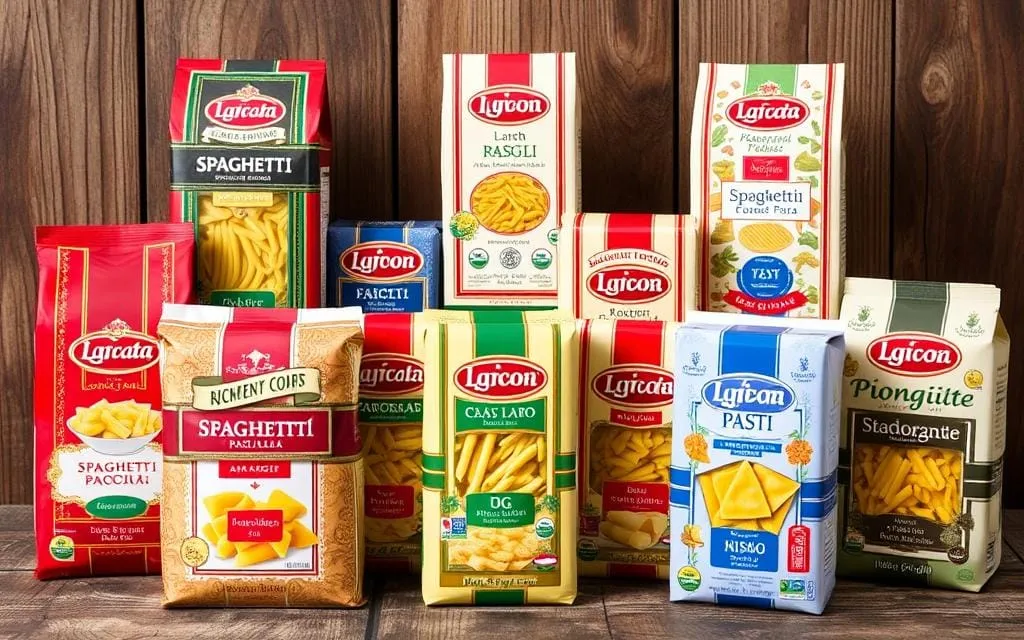
Quality Italian pasta lists simple ingredients: durum wheat semolina and water. Stay away from products with preservatives or artificial colors.
Understanding DOP and IGP Certifications
DOP and IGP certifications are key for authentic Italian products. They prove the pasta’s origin and how it’s made.
| Certification | Meaning | Significance |
|---|---|---|
| DOP (Denominazione di Origine Protetta) | Protected Designation of Origin | All production steps occur in a specific region |
| IGP (Indicazione Geografica Protetta) | Protected Geographical Indication | At least one production step occurs in a specific region |
Looking for these certifications means I’m getting pasta made the traditional way. Not all authentic Italian pasta has these labels. But, they’re a good sign of quality when you see them.
Price Points and Value Comparison
Italian pasta prices can vary a lot, which is why comparing values is key for those watching their budget. Let’s explore the cost differences and find the best deals.
Imported Italian pasta usually costs more than what’s made locally. This is due to shipping, taxes, and the use of premium ingredients. But is the extra cost worth it?
To answer this, I’ve compared popular Italian pasta brands in the U.S.:
| Brand | Price per pound | Quality Rating | Value Score |
|---|---|---|---|
| De Cecco | $2.50 | 9/10 | 8/10 |
| Barilla | $1.80 | 7/10 | 9/10 |
| Rummo | $3.20 | 9.5/10 | 7/10 |
| Garofalo | $2.80 | 8.5/10 | 7.5/10 |
This table shows that while premium brands like Rummo are top-notch, they’re pricier. Brands like Barilla, though, offer great quality at a lower cost. They’re perfect for everyday meals.
For special times, you might want to try artisanal pasta, which can be over $5 per pound. These have unique tastes and textures, making them worth the splurge for pasta enthusiasts.
Storage and Shelf Life of Italian Pasta
Keeping Italian pasta fresh is crucial. I’ve found that the right storage methods can make a big difference. Let’s look at how to keep your pasta tasty and fresh for longer.
Proper Storage Methods
For the best storage, keep pasta in a cool, dry spot. Avoid direct sunlight. Use airtight containers or resealable bags to keep it dry and pest-free. This helps keep the pasta’s taste and texture better for longer.

Understanding Expiration Dates
Dry pasta lasts a long time, but check the expiration dates. Most brands have a “best by” date. This means the pasta is at its best quality. But, it’s still safe to eat for months if stored right.
Signs of Quality Degradation
Even with good storage, pasta can lose quality over time. Always check for these signs before cooking:
- Discoloration or fading
- Odd smells
- Presence of insects or mold
- Brittle or easily crumbling texture
If you see any of these, it’s best to throw the pasta away. This ensures a safe and tasty meal.
| Storage Method | Estimated Shelf Life | Best For |
|---|---|---|
| Original packaging | 1-2 years | Unopened pasta |
| Airtight container | 2-3 years | Opened dry pasta |
| Refrigerator | 3-5 days | Fresh pasta |
| Freezer | 6-8 months | Long-term fresh pasta storage |
Where to Buy Authentic Italian Pasta in the US
Finding authentic Italian pasta in the USA is easier than ever. I’ve explored various options to help you buy Italian pasta that truly captures the essence of Italy’s culinary tradition.
Online Retailers and Marketplaces
The internet has made it simple to buy Italian pasta in the USA. Many online retailers specialize in authentic Italian products. I’ve found that sites like Eataly, Gustiamo, and Amazon offer a wide selection of imported pasta brands. These platforms often provide detailed product information, making it easier to choose high-quality options.
Specialty Italian Food Stores
For a more personal shopping experience, I recommend visiting specialty Italian food stores. These authentic pasta retailers often have knowledgeable staff who can guide you through their selection. Cities with large Italian-American communities, like New York, Chicago, and San Francisco, typically have numerous options.
Major Supermarket Options
Many major supermarkets now stock authentic Italian pasta brands. I’ve noticed an increasing variety in the international food aisles of chains like Whole Foods, Kroger, and Wegmans. While the selection might not be as extensive as specialty stores, it’s a convenient option for quick purchases.
| Retailer Type | Pros | Cons |
|---|---|---|
| Online Retailers | Wide selection, Detailed information | Shipping costs, Can’t see products in person |
| Specialty Stores | Expert advice, Unique products | Limited locations, Potentially higher prices |
| Supermarkets | Convenient, Often lower prices | Limited selection, Less specialized knowledge |
Conclusion
I’ve shown you the best imported pasta from Italy. This guide highlights why it’s special. Italian pasta uses top-notch durum wheat semolina and traditional methods for a unique taste.
We’ve looked at different pasta shapes, from spaghetti to unique regional types. I’ve also introduced you to top artisanal pasta makers. Knowing how to store pasta and check expiration dates is key to keeping it fresh.
Now, you’re ready to make your pasta dishes better. Whether shopping online or in stores, you can pick the best Italian pasta. So, explore Italian pasta’s variety and bring Italy’s flavors to your kitchen!
Craving authentic Italian flavors? Visit explorehotelworld.com to find the best imported pasta from Italy and transform your cooking into a gourmet delight!
FAQ
What makes Italian pasta superior to other types?
Italian pasta stands out because of its high-quality durum wheat semolina. It’s made using traditional methods and a bronze die extrusion process. These steps improve its texture, flavor, and how well it holds sauce.
Which are some of the best Italian pasta brands to try?
I recommend De Cecco, Rummo, and Garofalo. They’re top-notch brands known for their quality and authentic flavors. Their pasta really shines.
What’s the difference between long and short pasta shapes?
Long pasta, like spaghetti, is perfect for light sauces. Short pasta, like penne, is better with chunky sauces. Each shape has its own texture and pairing potential.
How can I identify authentic Italian pasta when shopping?
Look for DOP or IGP certifications on the label. These ensure the pasta is made in Italy and follows traditional methods.
Are artisanal pasta makers worth the higher price?
Yes! Artisanal pasta makers use better ingredients and old techniques. It’s pricier, but the taste and texture are worth it for special meals.
How should I store imported Italian pasta?
Store it in an airtight container in a cool, dry place. This keeps it fresh longer. Always check for quality before using.
Where’s the best place to buy authentic Italian pasta in the US?
Specialty Italian food stores and online retailers are great. Some big supermarkets also have good imported brands in their international aisles.
Is imported Italian pasta significantly more expensive than domestic options?
Imported pasta can be pricier, but the quality is often better. There are also affordable imported options that beat many domestic brands.
What’s the shelf life of imported Italian pasta?
Dried pasta can last up to two years if stored right. Always check the expiration date and look for signs of degradation before using.
Can I use imported Italian pasta the same way as domestic pasta?
Yes! Use it just like any other pasta. Its better texture often means shorter cooking times and better sauce absorption. Just pay attention when cooking it.
