
Nepal’s early vote count puts ex-rapper’s party ahead
Nepal’s early vote count puts ex-rapper’s party ahead
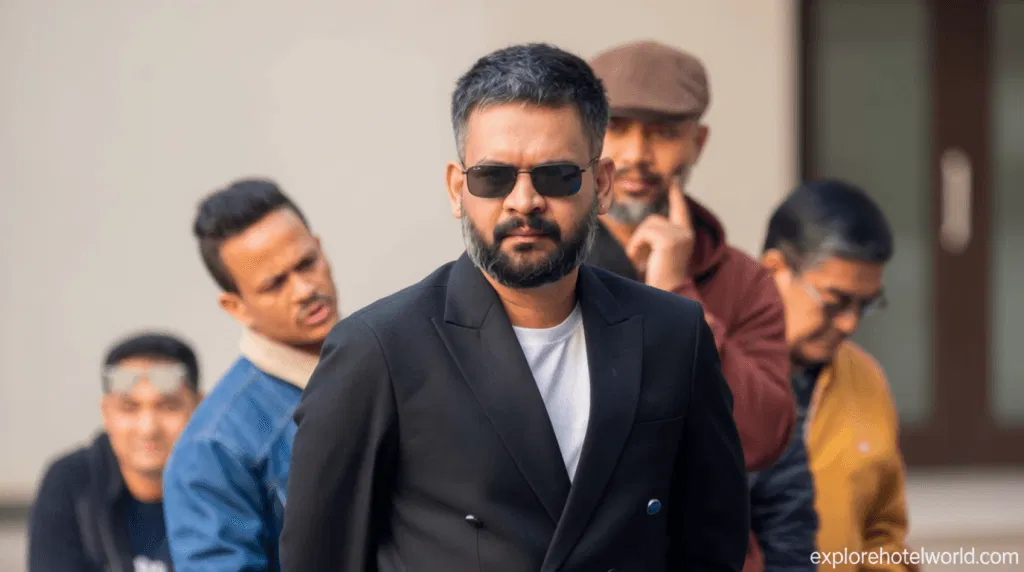
In the latest phase of Nepal’s general election, Balendra Shah, a former rapper who transitioned into politics, has emerged as a leading contender. Early results indicate his centrist Rastriya Swatantra Party is securing a significant advantage, with 37 seats already counted, surpassing other major parties. This surge has positioned Shah, 35, as a prominent figure in the race for the country’s prime ministership, despite competing against established figures like K P Sharma Oli, the former prime minister.
Shah’s campaign has focused on appealing to younger voters, who have been demanding political reform for years. His outreach efforts have resonated across Nepal, drawing large crowds and generating online buzz. Meanwhile, Oli’s Communist Party of Nepal (Unified Marxist-Leninist) trails behind, with only three seats in early trends. The Nepali Congress, led by 49-year-old Gagan Thapa, the nation’s oldest political party, holds a lead in five seats, according to the election commission.
“Final results are expected to be finalized by Friday evening or Saturday,” said officials, as the counting process continues for 165 seats elected through direct voting. The remaining 110 seats will be allocated using proportional representation, a system that could further shape the political landscape.
With a population of 30 million, Nepal has long grappled with political instability, which has undermined its economy and worsened unemployment. These challenges have been compounded by deep-rooted corruption, creating a climate ripe for change. The situation came to a head last September when a social media ban sparked widespread protests, leading to violent clashes and casualties that forced Oli to resign.
Shah’s ability to connect with youth-driven movements has been a key factor in his campaign’s success. His presence in the Jhapa 5 constituency, a region near the Indian border, highlighted his strategy of challenging traditional power structures. As the election progresses, his party’s momentum could signal a shift in Nepal’s political dynamics, driven by a new generation seeking reform.
