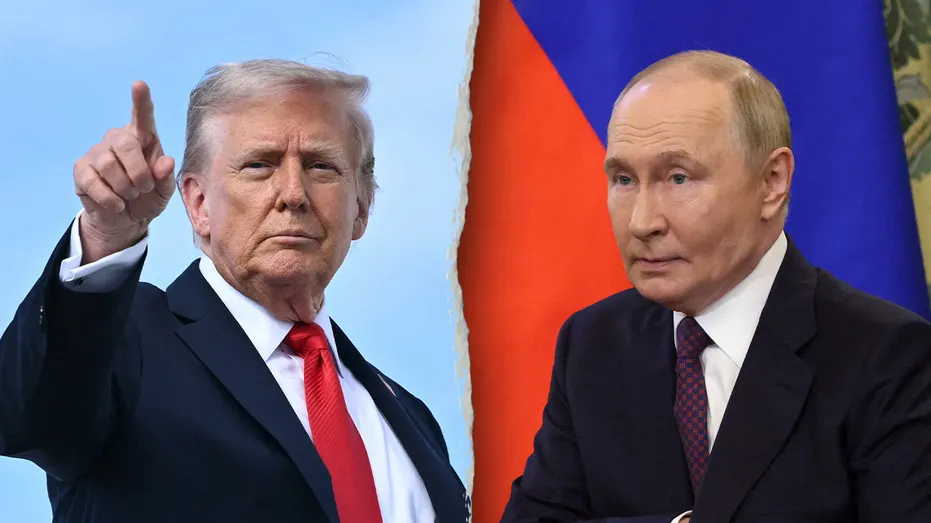
TANVI RATNA: How Trump’s Multi-Front Pressure Is Shrinking Putin’s Operating Space
The Strategic Vise Tightening Around Russian Influence
TANVI RATNA – In May 2026, a Russian LNG tanker from the Portovaya project sat motionless near Singapore, its cargo unclaimed. Meanwhile, Ukrainian drones had already disrupted operations at 16 key Russian refining facilities, knocking out approximately 700,000 barrels per day of processing capacity. Europe, too, had finalized a legally binding plan to phase out Russian gas by 2027. These developments mark a pivotal shift in global energy dynamics, driven by coordinated efforts to undermine Russia’s geopolitical foothold. The cumulative effect of these actions signals a broader strategy to erode Moscow’s ability to wield energy as a tool of soft power.
Trump’s Tariff Strategy and the Shift in Energy Buyers
President Trump’s early moves to target Russian energy exports have created a new framework for economic pressure. In August 2025, he signed an executive order imposing additional 25% tariffs on Indian imports of Russian oil, a decision that effectively raised total rates to as high as 50% in certain categories. This move was not merely punitive; it aimed to reshape buyer behavior by making Russian crude less attractive. Trump publicly claimed that Prime Minister Narendra Modi had assured him India would cease Russian oil purchases, positioning China as the next target in this diplomatic campaign. The message was clear: energy dependence could no longer be taken for granted, and the financial costs of continued Russian ties were becoming too steep.
A European Exit from Russian Energy Markets
Europe’s transition from crisis mitigation to a permanent legal break with Russian gas has been a cornerstone of this strategy. The December 2025 political agreement, followed by Regulation (EU) 2026/261, transformed the phased withdrawal into enforceable law. By late April 2026, short-term Russian LNG imports would face a ban, and pipeline contracts would expire by mid-June. The full phase-out is scheduled for September 2027, a timeline that reflects the EU’s resolve to sever ties. Russia’s share of EU gas imports had already plummeted from 45% prior to the Ukraine invasion to 12% by October 2025, a decline made tangible by infrastructure changes that disrupted traditional supply routes.
Cracks in the Russian Supply Chain
Meanwhile, internal vulnerabilities within Russia’s energy infrastructure have become more pronounced. Ukrainian drone strikes between January and May 2026 severely damaged refining operations at 16 major facilities, including Tuapse, Syzran, and Kirishi. Fires and equipment failures at these sites reduced output, forcing the nation to confront the fragility of its supply chains. The ripple effects were immediate: seaborne oil exports from the Baltic ports dropped by over 30% in some periods as trade routes shifted to accommodate higher costs and compliance risks. Buyers now evaluate Russian products not just for geopolitical alignment but for their reliability in a tightening global market.
The Iran War and Its Impact on Energy Stability
The conflict in Iran further exposed the risks of overreliance on Russian energy. Disruptions at the Strait of Hormuz temporarily spiked oil prices, providing Moscow with some revenue stability. However, this reprieve was short-lived. Washington’s response—conditional access rather than open market entry—highlighted the growing control over Russian supply chains. OFAC’s General License 134, issued in March 2026 and later extended, allowed deliveries only for cargoes already loaded by specific cutoff dates. New production was fully sanctioned, emphasizing the U.S. government’s role in dictating the terms of Russian exports.
Reengineering the Global Energy Map
These combined pressures are not just economic—they are redefining the geopolitical landscape. By targeting key nodes in Russia’s energy network, including the critical transit routes through Ukraine and the Black Sea, the U.S. and its allies have dismantled Moscow’s traditional leverage. The capture of Nicolás Maduro in Venezuela, just four months before the Portovaya tanker’s stasis, removed a vital partner in the anti-Western coalition. This move underscored Russia’s declining influence in the region and its struggles to maintain strategic alliances.
Energy Scarcity as a Weapon of Influence
Once a tool for exerting control, energy scarcity now threatens to become a liability for Russia. The Iranian war highlighted how even disruptions in supply can be mitigated through market mechanisms, but the U.S. has taken a more decisive approach. By controlling the flow of Russian energy through licensing, Washington has shifted the balance of power. Moscow, which once used energy exports to secure political favors, now faces a system where supply is contingent on compliance with Western sanctions. This transformation has made Russia’s energy strategy less predictable and more dependent on external conditions.
Ukraine’s Role in Shaping the Energy Crisis
Ukraine’s military success has had a profound effect on Russian energy production. The destruction of refining capacity across 16 facilities has not only reduced output but also forced Moscow to rethink its long-term strategy. The loss of operational sites in regions like Primorsk and Ust-Luga has weakened Russia’s ability to export crude at scale. Meanwhile, the expiration of Ukraine’s transit agreement in January 2025 severed a crucial link between Russian gas supplies and European markets. This infrastructure shift has made it harder for Moscow to maintain its dominance, even as it continues to sell oil in other regions.
Consequences for Russian Energy Markets
As the sanctions tighten, Russian energy markets are feeling the strain. The combination of supply chain disruptions, tariff hikes, and legal restrictions has created a multi-pronged attack on Moscow’s economic reach. Buyers like India, which had once been a key market, are now more cautious. The May 2026 rejection of the Portovaya LNG cargo exemplifies this trend, as Indian firms prioritized compliance over volume. Europe’s legal exit from Russian gas further complicates Moscow’s ability to sustain its energy-driven diplomacy, leaving it with fewer options for projecting power.
A New Era for Energy and Geopolitics
The cumulative effect of these actions has reshaped the global energy order. Russia’s operating space, once vast and secure, is now shrinking under the weight of international pressure. The strategic vise—combining economic sanctions, military strikes, and legal reforms—has created a scenario where Moscow must constantly adapt to maintain its influence. As energy markets evolve, the question remains: can Russia’s legacy of using energy as a geopolitical weapon survive these new challenges? For now, the signs point to a significant decline in its ability to do so.
“Only Trump can stop Russia,” warned a Ukraine energy executive. “Millions face a freezing winter as we push to cut off Russian supplies.”
With each passing month, the pressure on Russia intensifies. The U.S. has not only imposed tariffs but also secured legal frameworks to ensure long-term compliance. This approach contrasts sharply with the more flexible sanctions of previous administrations, reflecting a shift toward sustained economic warfare. As the Portovaya tanker remains idle and the EU’s phase-out deadline looms, the global energy map is being rewritten. Russia’s once-dominant role in international markets is giving way to a more fragmented and resilient energy system, one that prioritizes independence over dependency.