FDA Initiatives Strengthen Domestic Manufacturing and Create American Jobs
Explorehotelworld.com – For many years, American leaders have pointed out the risks associated with depending on international supply networks for vital pharmaceutical products. Despite this awareness, more than seventy percent of the primary production sites responsible for creating prescription medications consumed within the United States continue to operate beyond our national boundaries. A complex layer of governmental rules at both state and federal levels has created significant challenges. Businesses committing substantial financial resources—sometimes reaching into the billions—to establish manufacturing operations domestically frequently encounter extended waiting periods of as much as fourteen months before receiving standard post-construction approvals. This regulatory bottleneck has pushed supply networks further abroad, negatively impacting American citizens who depend on essential treatments and life-saving therapies.
When crucial supply chains remain positioned thousands of miles away, U.S. patients face heightened risks of severe medication shortages, while American workers lose access to well-compensated employment positions. President Donald Trump addressed this challenge directly through Executive Order 14293, titled “Regulatory Relief to Promote Domestic Production of Critical Medicines.” This order instructed the Food and Drug Administration to eliminate unnecessary bureaucratic obstacles, encourage domestic production capabilities, and guarantee reliable medicine access for American consumers. The FDA responded with urgency to this mandate.
Accelerating Domestic Manufacturing Through Innovation
As we move through mid-July, aggressive implementation across multiple initiatives aims to generate a domestic manufacturing revival. The strategy focuses on removing regulatory barriers and establishing conditions where American production capabilities can compete effectively on a global scale. One cornerstone of this effort is the PreCheck Pilot Program, recently introduced by the FDA to accelerate pharmaceutical manufacturing growth from its foundation.
This innovative program functions through two complementary stages. During the initial Facility Readiness Phase, manufacturers obtain technical guidance and regulatory input before commencing operations, which helps prevent expensive compliance errors. The subsequent Application Submission Phase introduces enhanced FDA collaboration to rapidly address manufacturing inquiries, speed up facility information reviews, and expedite inspection processes. By catching potential complications early, PreCheck minimizes delays, increases regulatory certainty, and hastens the arrival of domestically produced medicines.
This approach guarantees that next-generation medical discoveries are researched, developed, and manufactured within American borders by utilizing our most valuable asset—the exceptional talent, determination, and capability of the American workforce.
Building Community Through Pharmaceutical Investment
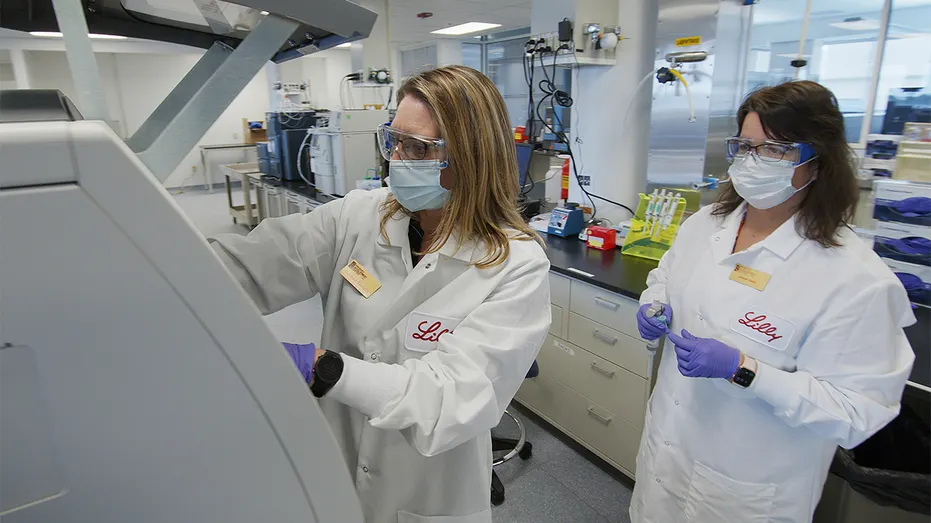
After selecting the program’s inaugural seven corporate partners—Eli Lilly, Regeneron, Amneal, Cellares, Fujifilm Biotechnologies, Kriya Therapeutics, and Kyowa Kirin—the FDA is collaborating closely with these industry leaders as they commence construction and expand operations throughout the summer season. These organizations are developing cutting-edge facilities designed to produce everything from advanced cell and gene therapies to standard intravenous fluid bags.
Importantly, these initial seven participants will establish thousands of permanent, high-wage positions for American scientists, engineers, technicians, and production operators. This investment simultaneously generates thousands of additional jobs throughout the American heartland. Such stable, family-supporting careers strengthen communities for generations, contributing to local economic revitalization and ensuring that talented individuals can develop successful professional trajectories within their own neighborhoods.
Expanding Access Through Regulatory Reform
Beyond the pilot program, the FDA is advancing newly published draft regulations intended to streamline distribution pathways for manufactured goods and increase transparency concerning international medicine suppliers. The agency is also reconsidering incentive structures within its authority. While the FDA must prioritize applications according to urgent public health requirements, it is now also giving preference to applications for established generic medications that utilize domestic supply networks.
These affordable medications account for approximately ninety percent of all prescriptions written in the United States, yet they represent the drugs most commonly produced overseas. Shifting production back to American soil means bringing thousands additional stable manufacturing positions to domestic factories. When families visit pharmacies for children’s antibiotics or patients undergo cancer treatment, having reliable domestic supply chains provides peace of mind and economic security for communities across the nation.
The FDA’s comprehensive approach demonstrates how regulatory reform can simultaneously protect public health and strengthen American economic competitiveness through strategic investment in domestic pharmaceutical manufacturing capabilities.