Melinda French Gates Needed Three Doctors for Her Diagnosis
Understanding the Gap in Women’s Healthcare
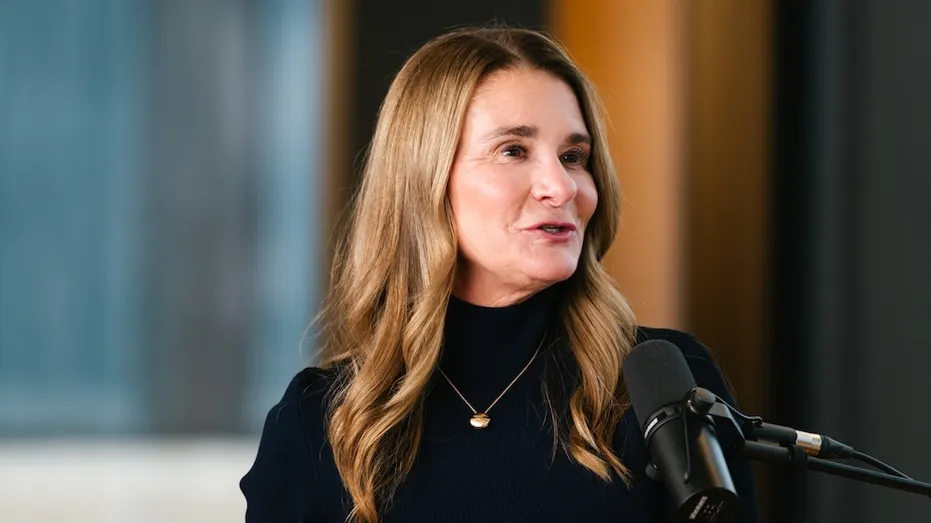
Explorehotelworld.com – Melinda French Gates says it took three doctors to properly diagnose the condition she was experiencing. The philanthropist recently shared her personal health journey on journalist Norah O’Donnell’s podcast “Healthful,” revealing how difficult it was to identify what her body was going through. Despite having access to excellent medical resources, the former Microsoft executive found herself navigating multiple consultations before receiving clarity about her symptoms.
At 61 years old, French Gates recalled that her symptoms first emerged when she was in her early forties. She told CBS News she “kind of couldn’t believe it” that menopause-related changes were beginning at that stage of her life. Rather than immediately understanding what was happening, she spent considerable time trying to make sense of her changing body and the various symptoms she was experiencing.
Through her own research and conversations with medical professionals, the businesswoman discovered that many obstetricians and gynecologists receive minimal formal education regarding menopause care. This realization highlighted what she described as a significant disconnect within the broader women’s healthcare system. Even with her privileged access to healthcare, French Gates noted that she still needed to consult with three separate physicians before her condition was properly identified.
But it was kind of unbelievable to me that, even in this, you know, unbelievably privileged situation I’m in, where I feel like I can get some of the best healthcare, it took me three doctors to really diagnose what I was going through and to get the right treatments for where I was.
She emphasized that the delay wasn’t anyone’s fault. Instead, it reflected a systemic issue that affects countless women across the country. “It wasn’t because anybody was doing the wrong thing,” she explained. “It’s because of what I now know, which is, only one-third of OB-GYNs in this country are trained in menopause.”
Research Validates Her Experience
Her personal experience aligns with several recent studies examining menopause education among medical professionals. A national survey published in the journal Menopause during 2023 revealed that merely about one-third of obstetrics and gynecology residency programs in the United States offer a structured curriculum focused on menopause. This finding supports French Gates’ assertion that the training gap is widespread rather than isolated.
More recent research published in 2024 further confirmed these concerns. The study examined residents across three medical specialties—OB-GYN, family medicine, and internal medicine—and found consistently low levels of both knowledge and confidence when it came to treating menopausal symptoms. These results suggest that the problem extends beyond just gynecologists to other healthcare providers who may encounter menopausal patients.
A separate investigation conducted in Kansas in 2026 provided even more detailed insights. The study found that over half of the residents surveyed reported receiving fewer than five hours of formal menopause education during their training. Even more telling, the majority of these residents did not feel that their residency program had adequately prepared them to independently manage menopausal patients. This lack of confidence could have real consequences for patient care.
The human impact of this educational shortfall became clear in a national survey of 2,000 women. Only 25 percent of respondents indicated that their healthcare provider had sufficiently informed them about perimenopause. This means that three out of four women may be navigating this transition without adequate guidance from their doctors.
According to The Menopause Society, approximately 1.3 million American women reach menopause annually. While most women begin experiencing perimenopause during their forties, the condition can sometimes start earlier, making diagnosis even more challenging. As hormone levels fluctuate during this transitional period, women may encounter a wide variety of symptoms that can significantly affect daily life.
The Mayo Clinic identifies several of the most prevalent symptoms, including irregular menstrual cycles, hot flashes, night sweats, sleep disturbances, mood changes, vaginal dryness, brain fog, and joint pain. These symptoms can range from mild to severe, and their impact varies considerably from person to person.
Researchers suggest that additional training could make a meaningful difference. Studies show that knowledge scores among medical professionals improve significantly after receiving targeted menopause education. As French Gates continues to advocate for better women’s healthcare, her story serves as a powerful reminder of the systemic changes needed to support women through this important life transition.