A Wholesome Exchange Between Popular Cosplayer and WWE Star Goes Viral
Explorehotelworld.com – Fanatics Fest delivered more than just the ongoing drama between Tom Brady and Logan Paul this past weekend. While headlines focused on the slap and speculation about the legendary quarterback entering a wrestling ring, another story captured hearts across social media. The wholesome exchange between popular cosplayer Fabiola Morales and WWE Superstar Stephanie Vaquer became one of the most shared moments of the event. This touching encounter reminded everyone that genuine connections often outshine manufactured controversies.
The Meeting of Two Chilean Stars
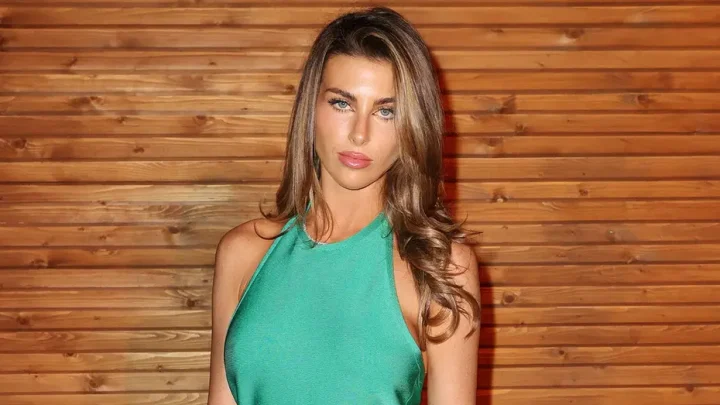
Among the many attendees at Fanatics Fest in New York City, one particular meeting stood out for its authenticity. Fabiola Morales, widely recognized by her online handle Fabibi World Cosplay, traveled to the event dressed as her fellow countrywoman, Stephanie Vaquer. The Chilean cosplayer had invested significant time and effort into creating a handmade costume that faithfully replicated Vaquer’s wrestling attire. When the two finally met face to face, the moment was captured and shared widely online.
The cosplayer expressed her gratitude in a heartfelt message following their encounter.
“It was an honor to pay tribute to my fellow Chilean, meet her in person, and receive her autograph on my cosplay,” Fabibi World Cosplay wrote. “Thank you, Stephanie, for being so kind to every fan and for proudly representing Chile on the world’s biggest stage. So proud of you, La Primera.”
What made this wholesome exchange between popular cosplayer and WWE star particularly special was the attention to detail in the costume. Social media users quickly noted that the outfit was described as a “100% handmade costume” with a “100% faithful design to the original.” This level of dedication resonated with fans who appreciated the artistry involved in cosplay culture. The authenticity of the moment required no artificial drama or staged interactions to generate engagement.
Why This Moment Resonated
The viral nature of this encounter speaks to something deeper about what audiences crave in entertainment. In an era dominated by controversies and sensationalism, a simple, genuine interaction between two people who share a common passion can capture widespread attention. The cosplayer’s effort was immediately recognized and rewarded with a warm hug and an autograph directly on her costume. This acknowledgment validated not only her dedication to the craft but also her admiration for Vaquer as a wrestler.
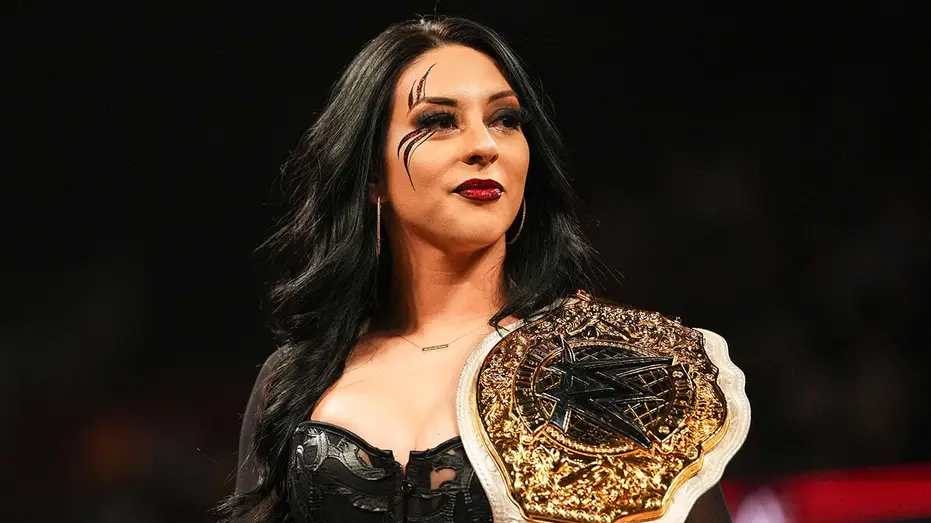
Stephanie Vaquer, known affectionately as “La Primera,” has established herself as a prominent figure in professional wrestling. Her recent victory over Liv Morgan at WrestleMania 42 further cemented her status in the women’s division. The timing of this meeting at Fanatics Fest, shortly after her championship win, added additional significance to the encounter. Fans recognized that they were witnessing a moment between two rising stars from Chile.
The wholesome exchange between popular cosplayer and WWE Superstar Stephanie Vaquer demonstrated that meaningful connections still exist in the entertainment world. While Brady and Paul continued their theatrical back-and-forth, Morales and Vaquer shared something more enduring. The cosplayer’s investment in her craft was met with genuine appreciation from the athlete she admired. This interaction serves as a reminder that sometimes the simplest moments create the most lasting impressions.
As social media continues to evolve, moments like this one prove that authenticity remains a powerful currency. The cosplayer did not need to seek out controversy or create artificial situations to gain recognition. Her dedication to her craft and her admiration for Vaquer spoke for themselves. The resulting viral moment has become a testament to the power of genuine human connection in an increasingly digital world.