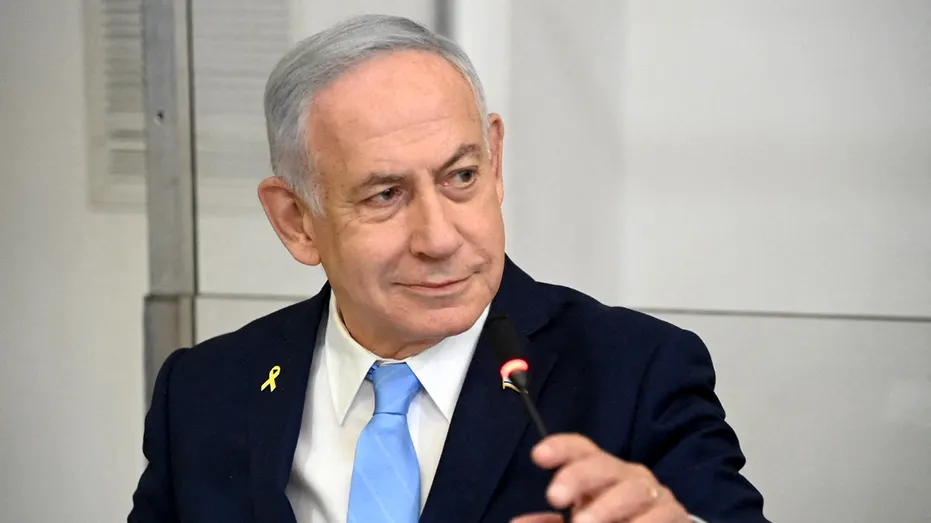
Netanyahu Fires Back at NYC Mayor Over ICC Warrant Dispute
Israeli Prime Minister Challenges Mamdani’s Enforcement Plans
explorehotelworld.com – Netanyahu fires back at NYC Mayor Zohran Mamdani following the Democratic leader’s bold declaration to enforce what he calls a “bogus arrest warrant” against the Israeli premier. The diplomatic clash intensified after Mamdani publicly characterized Netanyahu as a “war criminal” and outlined his administration’s intention to potentially detain the Israeli leader during an upcoming visit to the United States. This confrontation centers on an existing International Criminal Court order that could theoretically be executed on American soil.
The prime minister’s office responded swiftly on Sunday through a statement posted on the social media platform X. They dismissed the legal foundation for any potential arrest, describing the international tribunal as fundamentally flawed and lacking proper jurisdiction over both American and Israeli citizens. The statement also emphasized that Netanyahu is currently finalizing arrangements for a major meeting with President Donald Trump at the White House, implying that Mamdani’s actions come at an inopportune moment.
“The ICC is a kangaroo court that has no jurisdiction over Americans or Israelis,” Netanyahu’s office wrote in an X post Sunday, amid recent reports he is nearing a trip to the White House to meet with President Donald Trump.
One of the most significant points of disagreement concerns the legitimacy of the arrest warrant itself. Netanyahu’s representatives highlighted that the document was signed by Karim Khan, a former prosecutor whose reputation has suffered considerably. The office noted that the warrant was finalized merely days before serious allegations of sexual misconduct against Khan were revealed to the public. They contended that Khan’s issuance of the order represented a calculated effort to redirect attention from his personal controversies.
“Its bogus arrest warrant against Prime Minister Netanyahu was issued by a disgraced former ICC Prosecutor, Karim Khan, a few days before allegations of sexual misconduct against him became public,” Netanyahu’s office said. “It was a clear attempt by Khan to divert”
The political implications of this dispute extend beyond mere legal technicalities. Mamdani’s position has drawn criticism from various quarters, with opponents arguing that his approach undermines established diplomatic protocols. Meanwhile, supporters of the New York mayor praise his willingness to challenge international power structures and hold world leaders accountable to American legal standards.
Netanyahu’s team has also pointed out that the ICC’s authority remains contested among many nations, including the United States, which has never ratified the Rome Statute establishing the court. This fundamental disagreement about the tribunal’s legitimacy adds another layer to the ongoing controversy surrounding the potential enforcement of the arrest warrant.
As both sides prepare for what could become a prolonged diplomatic battle, observers are watching closely to see how the situation develops. The outcome may set important precedents for how international legal instruments are applied within domestic jurisdictions, particularly when high-profile political figures are involved in cross-border disputes.