
Goodbye Graaff-Reinet: South African town’s name change stirs racial tensions
Goodbye Graaff-Reinet: South African town’s name change stirs racial tensions
A Name Change and Its Impact
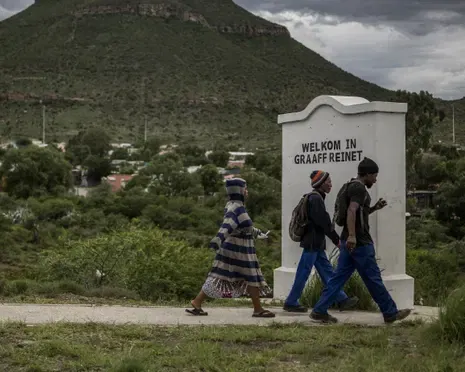
A South African town is experiencing division over the decision to rename its historic locale from Graaff-Reinet to honor Robert Sobukwe, an anti-apartheid leader. The move has reignited debates about racial identity, with residents split on whether the change reflects progress or provokes old wounds. The town’s name was approved by the culture minister on 6 February, following petitions, protests, and a formal complaint.
Historical Roots and New Symbolism
Supporters of the old name, Graaff-Reinet, argue that the town’s colonial legacy is tied to its Dutch origins. The name commemorates Cornelis Jacob van de Graaff, the Cape Colony’s governor in 1786, and his wife, Hester Cornelia Reynet. Opponents, however, see the renaming as a step toward erasing colonial and apartheid-era influences. Robert Sobukwe, who was born and died in the town, is celebrated for founding the Pan Africanist Congress in 1959 after splitting from the African National Congress.
Controversy and Community Voices
The name change has sparked tensions, particularly in a town where the economy and culture are closely linked to its historic identity. A survey in December 2023 revealed that 83.6% of residents opposed the decision, with Coloured and white communities showing strong resistance—92.9% and 98.5% respectively. While 55% of Black residents remained neutral, a third supported the new name.
“Many residents felt that changing the name would erase part of their identity as ‘Graaff-Reinetters,’” said Ronnie Donaldson, a geography professor from Stellenbosch University, summarizing the findings of his research.
Broader Context of Place Renaming
Since 2000, over 1,500 place names across South Africa have been altered, including 400 post offices, 144 rivers, and seven airports. Notable examples include the renaming of Port Elizabeth to Gqeberha in 2021. The Department of Sports, Arts, and Culture cited “restorative justice” as the rationale, aiming to correct the historical legacy of colonial and apartheid-era naming conventions.
Concerns Over Tourism and Heritage
Laughton Hoffman, a Coloured community advocate, expressed worries that the name change could hurt tourism. Graaff-Reinet’s historic core features elegant Cape Dutch architecture, drawing visitors. Hoffman, who wears a “Hands Off Graaff-Reinet” T-shirt, noted that the Dutch name had become a cultural asset. “We are not emotional about the Dutch… Out of the grief of the past, the name became a benefit for the people and the town’s economy,” he said.
Legal Dispute and Racial Tensions
Derek Light, a white lawyer who authored a complaint against the renaming, claimed the process lacked proper legal steps. “It was a faux process,” he argued, lamenting the divide it has caused. Light stressed that his community had previously lived in harmony, though challenges like poverty and unemployment persist.
“We were living in peace and harmony,” Light said. “It’s not without fault; we also have poverty and unemployment and things like that. But we don’t have racial issues amongst our people.”
Defending the Change Amid Opposition
Black activists in the Robert Sobukwe Steering Committee dismissed concerns about racial tension. “We have always had racial problems,” said Athe Singeni, a community member. Her mother, Nomandla, emphasized that the group would continue advocating for the name change, even after Sobukwe’s grave was vandalized. “We as Black people, we have a history that has been erased,” Nomandla said. “We’ve got leaders who contributed and laid down their lives for the free.”
