
Trump extends deadline for Iran to open Strait of Hormuz, reportedly after request from Tehran
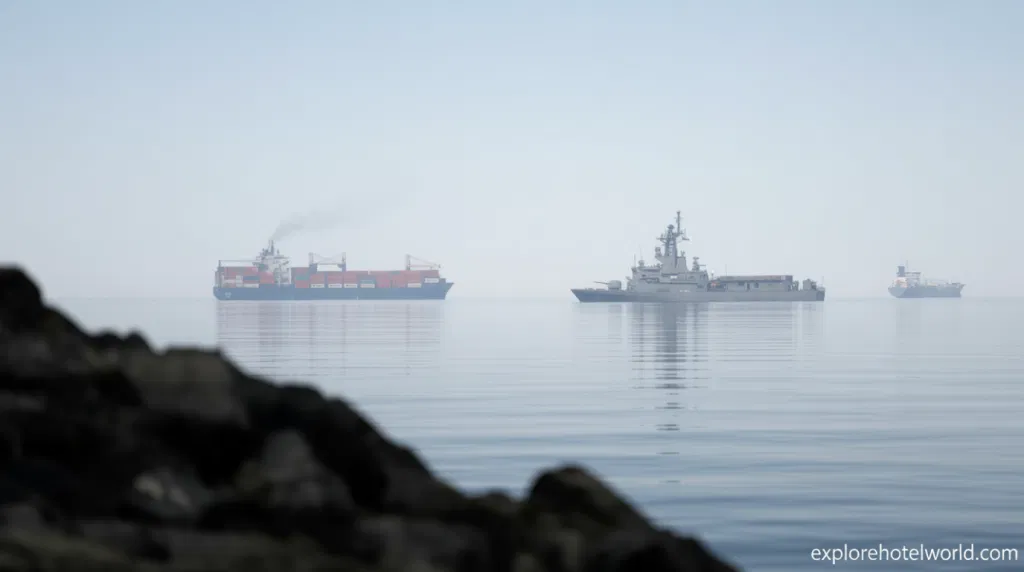
Trump extends deadline for Iran to open Strait of Hormuz, reportedly after request from Tehran
US President Donald Trump has announced a 10-day extension of the deadline for Iran to re-open the Strait of Hormuz, according to reports linked to Tehran’s request. In a post on his Truth Social platform, Trump emphasized that negotiations remain active, dismissing media claims that suggest otherwise. He noted, “Talks are ongoing and, despite erroneous statements to the contrary by the Fake News Media, and others, they are going very well.”
Previously, Trump had threatened to destroy Iran’s energy infrastructure if the country failed to reopen the critical waterway within 48 hours. During a Cabinet meeting on Thursday, he stated that Tehran was eager to negotiate an end to the conflict, even as the Islamic republic had shown a reserved stance toward the American peace proposal. His representative, Steve Witkoff, shared details with the Cabinet, revealing that Washington had transmitted a 15-point “action list” to Tehran via Pakistani officials. Witkoff added, “We will see where things lead, and if we can convince Iran that this is the inflection point with no good alternatives for them, other than more death and destruction,” he said.
“I read a story today that I’m desperate to make a deal. I’m the opposite of desperate. I don’t care.”
During a 90-minute televised session at the White House, Trump oscillated between issuing threats to “obliterate” Iran and asserting that the country was close to surrendering. “They want to make a deal. The reason they want to make a deal is they have been just beat to shit,” he remarked. He also suggested the U.S. might assume control of Iran’s oil, drawing a parallel to the agreement with Venezuela following the ousting of Nicolás Maduro. “It’s an option,” he declared.
Meanwhile, Israeli opposition leader Yair Lapid raised concerns about the war’s impact, stating for the first time that the government was overextending its military resources. “The IDF is stretched to the limit and beyond. The government is leaving the army wounded out on the battlefield,” Lapid warned, aligning with earlier remarks from military chief Lieutenant General Eyal Zamir. “The government is sending the army into a multi-front war without a strategy, without the necessary means and with far too few soldiers,” he added.
In a televised briefing, Israeli military spokesperson Brigadier General Effie Defrin highlighted the need for additional forces on the Lebanese front. “The forward defensive zone we are creating requires more IDF combat soldiers,” she stated. Iranian news agency Tasnim reported that Tehran’s response to the U.S. 15-point plan was officially delivered the night before through intermediaries. The agency cited an unnamed official, saying Iran demanded an end to attacks on its territory and allied groups in the region, including Lebanon’s Hezbollah. It also called for war reparations and the preservation of Iran’s “sovereignty” over the Strait of Hormuz.
