
The lesser-known meningitis symptom to look out for after Kent outbreak
The lesser-known meningitis symptom to look out for after Kent outbreak
The UK has expanded its Meningitis B vaccination program to include students in Kent following an outbreak that claimed two lives this month. The two individuals who succumbed to the illness were in their late teens to early twenties. One was identified as a university student, while the other, according to local representative Helen Whately, was a Year 13 pupil at Queen Elizabeth’s Grammar School in Faversham.
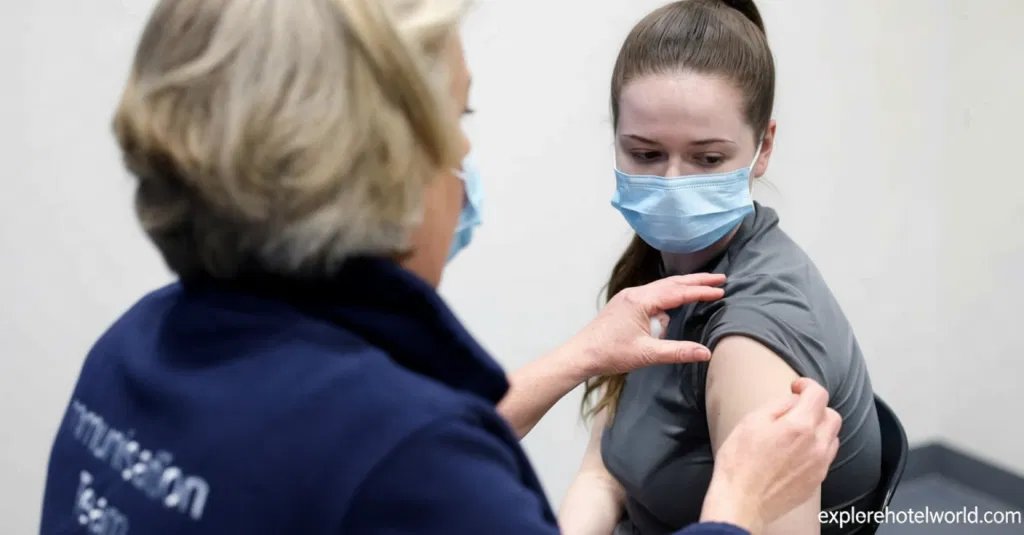
The UK Health Security Agency reports 20 confirmed cases of meningitis, with three more suspected and under review. Over 10,600 vaccinations have been administered in response to the outbreak, and the UKHSA has announced plans to broaden the program to include 15- and 16-year-olds at four schools as a preventive strategy.
A hidden symptom: sensitivity to light
In light of the infection’s severity, medical professionals are highlighting the importance of recognizing symptoms, particularly a less commonly known indicator. One such sign, often overlooked, is sensitivity to light, or photophobia.
“With meningitis, photophobia occurs because the infection causes inflammation of the protective membranes surrounding the brain and spinal cord,” explains Tina Patel, a contact lens optician.
The inflammation may affect pain-sensitive nerves and disrupt the brain’s ability to process light, resulting in heightened sensitivity. This can make everyday lighting—whether daylight, screens, or indoor lights—feel uncomfortable or even painful.
“Symptoms to watch for include difficulty tolerating typical lighting conditions, a preference for dimmer settings, or the presence of severe headaches, vomiting, or trouble maintaining focus,” she adds.
Tina notes that photophobia is frequently mistaken for migraines or digital eye strain, but in meningitis cases, it typically accompanies other signs. Experts caution that when light sensitivity escalates to a painful level and coincides with overall discomfort, it warrants immediate attention.
Dr. Suzanne Wylie, a GP and IQdoctor medical adviser, states that typical symptoms prompting concern for meningitis are abrupt severe headaches, neck rigidity, fever, and photophobia, along with general fatigue and vomiting.
Other warning signs and risk factors
A critical warning sign for meningococcal meningitis is a non-blanching rash, resembling purplish bruises, which can be assessed with the glass test—applying pressure with a glass doesn’t make it disappear.
Dr. Suzanne also notes that meningitis symptoms differ based on the patient’s age group. She adds that in babies and toddlers, typical symptoms like neck stiffness or headaches might not be present, instead signaling through irritability, feeding issues, or a swollen soft spot on the head.
Additional symptoms to be mindful of include cold extremities, rapid respiration, extreme drowsiness, disorientation, or seizures, which may signal a more advanced stage of the illness. Meningitis is usually caused by bacterial or viral infections, which can spread through sneezing, coughing, or kissing.
According to the NHS, meningitis is typically caught from people who carry these viruses or bacteria in their nose or throat but are not ill themselves. It can also be transmitted from someone with meningitis, though this is less common.
Dr. Suzanne emphasizes that there tends to be a ‘small peak’ in susceptibility among adolescents and young adults, ‘often linked to communal living environments such as university halls of residence.’ She continues: ‘adults with weakened immune systems or chronic health conditions are also at increased risk, although the overall incidence is lower compared with these younger age groups.’
