
Iran says it will show ‘zero restraint’ if energy infrastructure is targeted again
Iran says it will show ‘zero restraint’ if energy infrastructure is targeted again
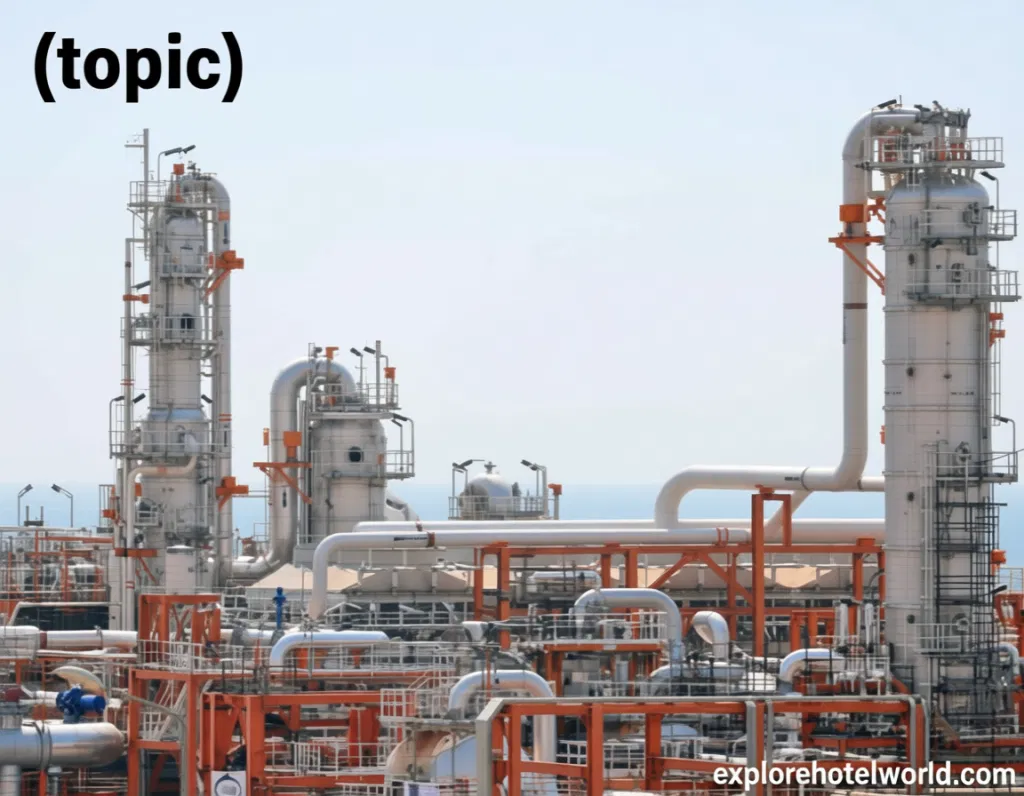
On Thursday, Iran warned that it would exhibit ‘zero restraint’ in response to any further strikes on its energy facilities. The declaration came after Qatar’s recent disclosure that nearly one-fifth of its liquefied natural gas export capacity had been disrupted by an Iranian attack, potentially leading to long-term consequences. This follow-up strike, reportedly targeting Qatar’s Ras Laffan gas complex, was part of a broader Iranian retaliation following Israel’s assault on the shared South Pars gasfield. The conflict has already sent global stock markets into decline and driven gas prices upward.
Israel confirmed on Thursday that its attack on the Haifa refinery, owned by the Bazan Group, had been struck and damaged by Iranian forces. Iranian Foreign Minister Abbas Araghchi stated in a post on X that their response to Israel’s assault had used only a fraction of their available resources. He emphasized that restraint was maintained out of respect for de-escalation efforts, but vowed to take full action if targeted again. “ZERO restraint if our infrastructures are struck again,” he declared.
“Our response to Israel’s attack on our infrastructure employed FRACTION of our power. The ONLY reason for restraint was respect for requested de-escalation,” said Araghchi. “ZERO restraint if our infrastructures are struck again.”
Amid concerns of an impending energy crisis, international leaders expressed alarm. The UK, France, Germany, Italy, the Netherlands, and Japan issued a collective statement voicing “deep concern” over the escalating tensions. They urged Iran to halt threats, including mine-laying and attacks on shipping routes, and adhere to UN Security Council Resolution 2817. The group warned that Iran’s actions would have global repercussions, particularly for vulnerable populations.
Meanwhile, US President Donald Trump faced scrutiny over his claims regarding coordination with Israel. He denied that the US had sanctioned the attack on the gasfield, despite the conflict’s severe economic fallout. Trump later softened his stance, stating he had instructed Israeli Prime Minister Netanyahu to avoid similar strikes. However, he struggled to clarify why the Israeli military had proceeded unilaterally, causing significant disruption. “I told [Netanyahu], don’t do that, and he won’t do that,” Trump said during a meeting with Japan’s leader. “We get along great. It’s coordinated, but on occasion, he’ll do something” that the US opposed.
As tensions rise, Trump hinted at future military moves, including potential troop deployments. Unnamed Israeli officials, cited by Reuters, suggested the gasfield strike might not be repeated. Yet, Iranian strikes extended beyond Qatar, hitting Saudi Arabia’s Red Sea refinery and two Kuwaiti oil facilities. QatarEnergy’s CEO, Saad Sherida Al-Kaabi, commented on the situation, though specific details were not provided in the article.
Global energy markets reacted sharply, with Brent crude prices surging to $119 per barrel before retreating to $110. This marked a 3.3% increase, following a 60% jump since the US-Israeli conflict began on 28 February. European and UK gas prices also spiked, climbing 24% before stabilizing, having more than doubled since the conflict’s outbreak. Stock markets across Asia, Europe, and the Americas faced heavy declines, with the UK’s FTSE 100 closing 2.35% lower.
Airlines warned that higher fuel costs would force ticket prices to rise, advising travelers to book promptly. Major carriers like Air France-KLM and Lufthansa planned to boost Asian routes, as Gulf hubs faced reduced operations. Despite Trump’s assertions, the US military remains poised to take further action, including securing the Strait of Hormuz for oil shipments—a mission that could involve deploying forces to Iran’s coast.
