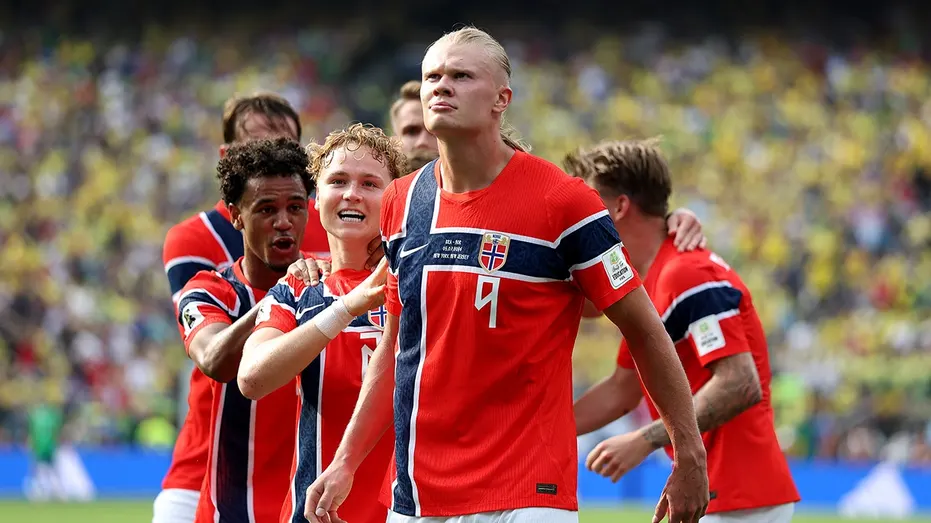
Norway’s World Cup Kit Reflects Christian Heritage in Historic Design
Norway s World Cup kit reflects the nation’s deep spiritual roots through carefully crafted design elements that honor centuries of tradition. As teams prepare for the 2026 FIFA World Cup, athletic apparel has transformed into cultural ambassadors, carrying stories far beyond the pitch. While global audiences celebrate international football, Norway’s jersey tells a particularly compelling tale of faith, history, and national identity woven together through fabric and symbolism.
The home kit presents a refined aesthetic that speaks volumes about Norwegian heritage. A bold red foundation supports the iconic blue Nordic Cross, creating visual harmony that mirrors the country’s spiritual journey. This simple yet powerful combination connects modern athletes to their ancestors who embraced Christianity during the medieval period, establishing religious foundations that would shape Norwegian society for generations.
The Nordic Cross and Medieval Origins
The cross design traces back to Scandinavia’s Christianization era, when regional leaders formally adopted Christianity as their guiding faith. These medieval rulers recognized the spiritual significance of the cross, which represents Jesus Christ and his resurrection following crucifixion. By incorporating this sacred symbol into their banners and standards, they created lasting visual connections between earthly governance and divine purpose.
Norway’s commitment to Lutheran Christianity endured through centuries, becoming embedded in the nation’s constitutional framework. Even as modern Norway embraces secular values, the Constitution maintains recognition of Christian heritage, demonstrating how historical faith continues influencing contemporary governance and cultural identity.
Urnes Stave Church Inspiration
A subtle tonal pattern adorns Norway’s jersey, drawing directly from the magnificent wood carvings at Urnes Stave Church. This twelfth-century structure stands as one of Norway’s oldest surviving churches, representing a remarkable period when Viking artistic traditions merged with Christian architectural principles. The church’s intricate designs capture the cultural transformation from Norse paganism to Christian devotion.
Nike’s creative team integrated this historic artwork into the jersey’s fabric through careful design choices. Rather than displaying overt religious statements, the garment communicates Norway’s spiritual foundation through visual narrative, allowing the pattern to speak for itself without requiring explanation or commentary.
This approach distinguishes Norway’s kit from contemporary sports fashion, where commercial logos and modern trends often overshadow traditional symbolism. Every match becomes an opportunity for players to carry centuries of Christian influence across the field, representing a heritage that shaped Norwegian legislation, art, architecture, and cultural expression.
As billions watch through various platforms worldwide, Norway’s jersey demonstrates how national symbols carry meanings deeper than surface appearances. The garment functions as athletic wear while simultaneously serving as a lasting tribute to Christian values that have endured through centuries and remain integral to Norwegian identity.
NORWAY WORLD CUP TEAM SWITCHES HOTELS IN FLORIDA AFTER NOISE COMPLAINTS: ‘WE MUST MOVE’
GERMAN WORLD CUP FAN BREAKS DOWN IN TEARS AFTER BEING BLOWN AWAY BY KINDNESS OF AMERICANS