
Police to use Thames to separate protesters at Al Quds protest
Police to use Thames to separate protesters at Al Quds protest
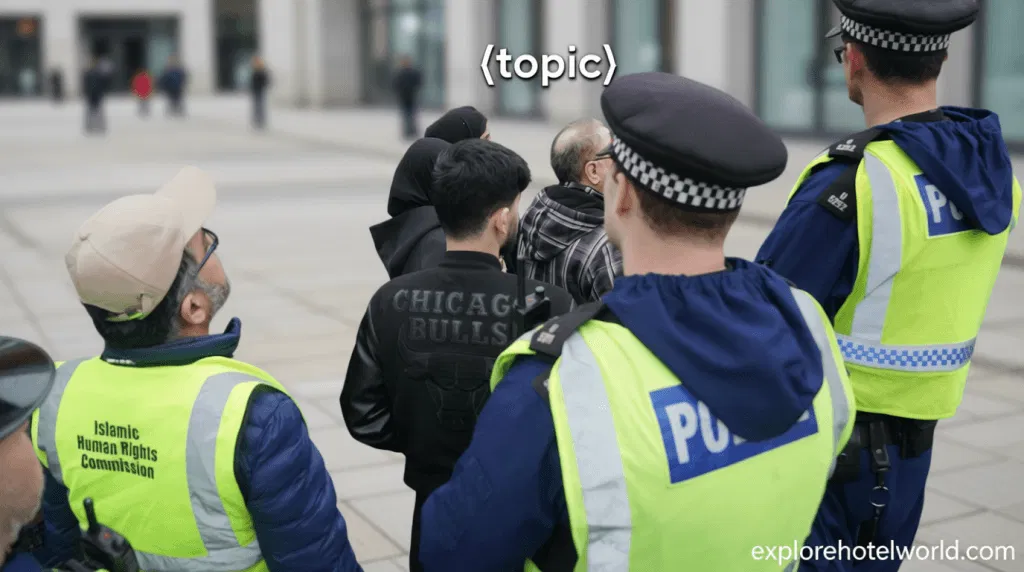
Law enforcement has announced plans to employ the River Thames as a physical barrier between demonstrators and counter-protesters during the Al Quds Day rally in central London this weekend. The strategy aims to manage tensions amid the gathering’s anticipated scale.
Metropolitan Police blocks march
The decision to halt the planned demonstration to the Home Office follows a directive from Home Secretary Shabana Mahmood. She approved the request from the Metropolitan Police to prevent serious public disorder, citing security concerns.
The Metropolitan Police stated that the organisers, the Islamic Human Rights Commission (IHRC), were “supportive of the Iranian regime”. This marks the first time a protest march has been banned by the Met in 14 years.
Organisers vow to proceed with static protest
Despite the ban, the IHRC has confirmed a “static” protest will occur. They describe it as a peaceful, pro-Palestinian event, insisting the move was a “politically motivated decision”.
Assistant Commissioner Ade Adelekan highlighted the use of the Thames as a “new bespoke tactic” tailored to the “unique set of circumstances” surrounding the Al Quds rally. The approach is intended to address the potential for conflict between opposing groups.
Expected crowd sizes and traffic restrictions
Authorities anticipate at least 6,000 participants at the Al Quds protest, with an additional 6,000 counter-protesters. They warned of possible “significantly more” attendees due to regional tensions. Lambeth and Vauxhall Bridges will be closed to non-emergency traffic.
Protesters will gather south of the Thames on Albert Embankment, while counter-protesters will be confined to Millbank. Over 1,000 officers, including community policing teams, will be deployed to oversee the event.
Enhanced security measures
Mr Adelekan emphasized that officers will be “briefed to act decisively” against any signs of disruption, such as placards, flags, or chanting. A “zero tolerance approach” to hate crime will be enforced, with arrests for support of proscribed groups.
While acknowledging the ban doesn’t eliminate disorder risks, he stated it would “make the protest immeasurably easier to police”.
Legacy of Al Quds Day
The tradition of Al Quds Day originated after the 1979 Iranian Revolution. It is typically observed on the final Friday of Ramadan, with rallies held globally. The IHRC frames the day as an expression of solidarity with Palestine.
Read more: Iran war latest | How Iran blocks the Strait of Hormuz
Reasons behind the ban
The Met cited the rally’s historical context, community tensions, and an “intelligence gap” in their decision to request the ban. These factors were deemed critical in assessing the event’s potential impact.
Be the first to get Breaking News
Install the Sky News app for free
