Nolan Defends ‘The Odyssey’ Casting Amid Growing Backlash
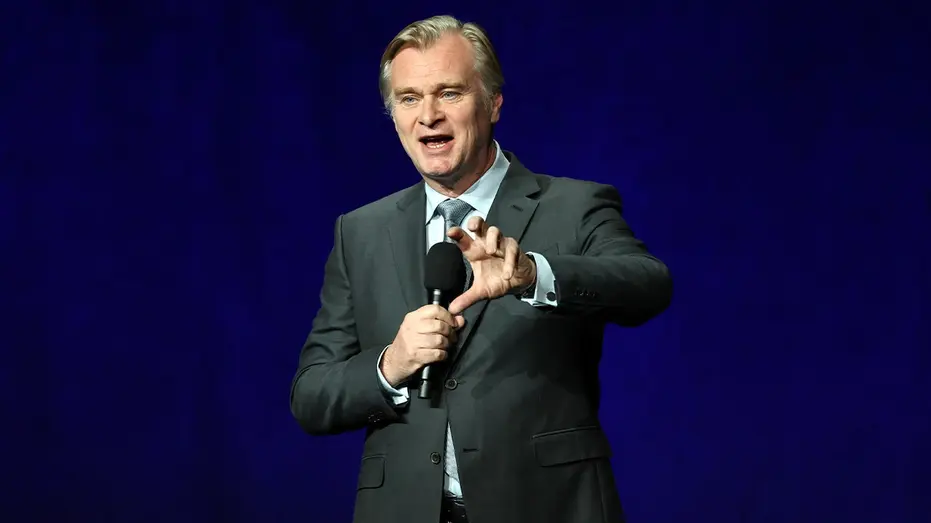
Christopher Nolan calls criticism of The Odyssey – Christopher Nolan’s upcoming adaptation of Homer’s epic has unexpectedly become one of the most discussed cultural topics of 2026. With the theatrical release just around the corner, the film continues to generate significant attention and debate among audiences and critics alike. The director’s vision has drawn considerable scrutiny in the months preceding its premiere, with many viewers expressing reservations about the creative choices made throughout production.
Controversial Casting Decisions Spark Debate
The primary focus of criticism has centered on several notable casting selections. Lupita Nyong’o has been cast as Helen of Troy, a role traditionally associated with a Greek character. Additionally, Elliot Page—who transitioned from Ellen—appears as the Greek warrior Sinon, despite being biologically female. These selections represent both racial and gender reimaginings of classical figures.
Beyond the casting choices, some observers have pointed to the film’s modernized dialogue and what they perceive as influences from Emily Wilson’s contemporary translation of the Greek epic. These elements have contributed to perceptions that the adaptation leans toward progressive interpretations of the source material.
Nolan Dismisses Pre-Release Concerns
In a recent conversation with The Telegraph, Nolan addressed the mounting criticism by suggesting that pre-release discussions hold little significance. He explained his perspective on the matter:
These conversations that happen before people see the film – they’re always irrelevant, because no one having them knows what the film actually is yet.
Nolan also noted that such pushback is an expected part of the filmmaking process:
The backlash the film has received comes with the territory.
While it is technically premature for most viewers to form definitive opinions about a film that has yet to reach general audiences, the director appears to be dismissing legitimate questions rather than acknowledging them. A small group of traditional critics and press members have offered positive responses, which some find coincidental given the nature of the concerns being raised.
Broader Context of Casting Controversies
Race-swapping and gender-swapping have become increasingly common in Hollywood over the past decade. Many productions have drawn similar criticism, though audience reactions have varied depending on how these choices affect the narrative. For instance, the live-action “Little Mermaid” featured a Black actress in the lead role, while “Rings of Power” incorporated Black dwarves and multicultural elves into its fantasy world.
Other notable examples include the upcoming “Harry Potter” television series, which will feature a Black actor as Professor Severus Snape, and “House of the Dragon,” where House Velaryon characters are portrayed by Black performers. Rachel Zegler, who has Colombian heritage, starred in the live-action “Snow White,” and “Wheel of Time” underwent extensive character race-swapping throughout its run.
Even “The Batman,” starring Robert Pattinson, featured a race-swapped Commissioner James Gordon without generating significant controversy. These examples suggest that audiences may accept casting changes when they do not overtly promote political messaging or fundamentally alter character identities.
Why ‘The Odyssey’ Differentiates Itself
The distinction with Nolan’s adaptation lies in the specific characters being reimagined. Helen of Troy and Athena are deeply rooted in Greek mythology, and casting non-Greek actors in these roles represents more than a simple visual update. These choices carry inherent political weight and invite scrutiny.
Furthermore, Elliot Page’s casting introduces a gender-swapping element that compounds the controversy. As a biological female portraying a male warrior, the film makes what many consider a deliberate statement aligned with diversity, equity, and inclusion initiatives. Such decisions are certainly open to examination and discussion.
Nolan referenced his experience during the Batman trilogy when discussing how to handle criticism:
What I learned over my time on [the Batman] trilogy is you can’t worry about any of that [criticism] at all. What you have to do is honor the original text by interpreting it in the strongest way you personally can.
However, many argue that honoring the original text involves faithful adaptation rather than subversive reinterpretation. By making bold casting choices that challenge traditional representations, Nolan is creating a film that speaks to contemporary values while potentially alienating viewers who prefer closer adherence to the source material. The question remains whether dismissing these concerns as irrelevant is the right approach or simply a form of deflection.