
French foreign minister faces criminal complaint over misquoting Francesca Albanese
French Foreign Minister Faces Criminal Complaint Over Misquoting UN Official
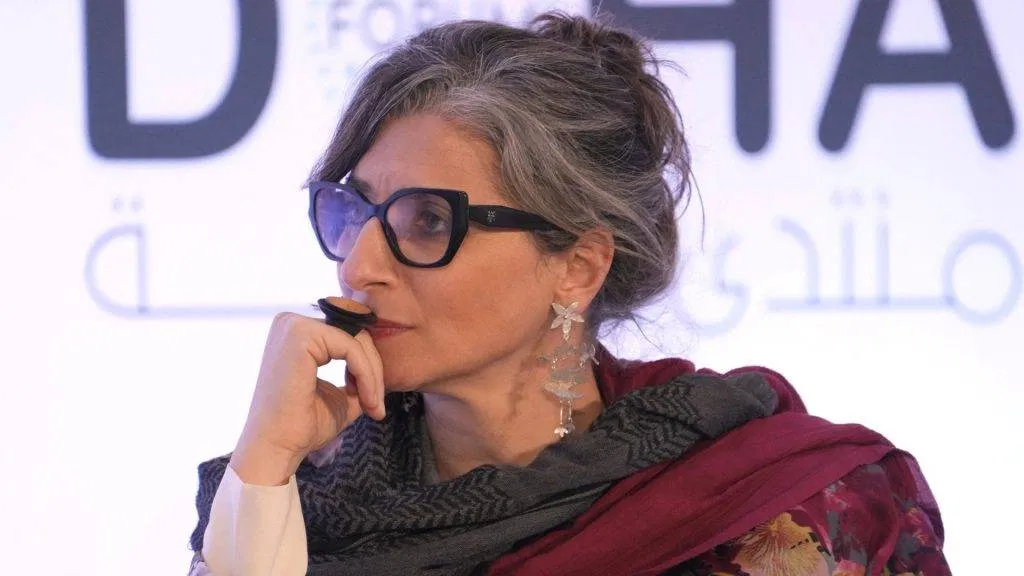
A coalition of French legal experts has submitted a legal document to the Paris public prosecutor’s office, alleging that the nation’s chief diplomat misrepresented statements made by Francesca Albanese, the UN special rapporteur on Palestine. The accusation centers on remarks by Foreign Minister Jean-Noel Barrot, who demanded Albanese’s resignation following a misinterpretation of her February 7 speech in Doha.
Context of the Alleged Misquotation
Jurdi, the Association of Lawyers for the Respect of International Law, highlighted that Barrot’s comments were triggered by a question from Renaissance MP Caroline Yadan. Yadan had previously cited Albanese’s remarks in a way that suggested she labeled Israel as the “common enemy of humanity,” a characterization Barrot later amplified.
“We now see that we as a humanity have a common enemy and the respect of fundamental freedoms is the last peaceful avenue, the last peaceful toolbox that we have to regain our freedom,”
Albanese stated during a virtual address at the Al Jazeera Forum in Doha. This phrase was later used in another speech at the same event in December, where she emphasized how political and economic systems perpetuate injustices across regions, including in the West.
In a parliamentary session on February 11, Barrot accused Albanese of making “outrageous and reprehensible remarks” that he claimed “targeted not the Israeli government… but Israel as a people and as a nation.” He described her as a “political activist who stirs up hate speech” and announced plans to push for her resignation at the next UN Human Rights Council meeting.
Jurdi Challenges the Accusation
Jurdi disputes Barrot’s portrayal, stating that a thorough review of Albanese’s full remarks reveals she never explicitly called Israel the “common enemy of humanity.” The organization argues the phrase was used to critique a system where political decisions prioritize economic interests over human rights.
“Such characterisation, coming from a public authority and expressed in an institutional setting, may constitute the dissemination of false information,” Jurdi said. The group claims Barrot’s statements misrepresent Albanese’s work, which is firmly within her UN mandate to investigate alleged law violations in Gaza.
Broader Implications and Legal Framework
Jurdi noted that partial excerpts of Albanese’s speech were shared on social media by pro-Israel advocacy group UN Watch, presented in a “truncated form” that omitted her full context. These clips were then used by public figures like Yadan to fuel a “distorted interpretation.”
Under French law, spreading false information with intent to disrupt public order can lead to criminal charges. The lawyers argue that Barrot’s misrepresentation of Albanese’s words fits this legal standard, as it attributes to her statements she neither made nor endorsed.
Albanese herself addressed the controversy on X, stating: “Three European governments accuse me – based on statements I never made – with a virulence and conviction that they have NEVER used against those who have slaughtered 20,000+ children in 858 days.” She pointed to the Israeli military’s actions in Gaza since October 2023 as evidence of the systemic harm she described.
Similar calls for Albanese’s resignation have been made by German and Italian foreign ministers, underscoring the international attention on the dispute. Jurdi maintains that the misquoting is part of a larger effort to undermine her role as an impartial UN investigator.
