
How to Master Meal Prep for the Week: Simple Steps for Success

How to Master Meal Prep for the Week: Simple Steps for Success
Meal prepping is one of the best ways to save time, eat healthier, and reduce stress during the week. By dedicating just a few hours to meal prep for the week, you can set yourself up for success, ensuring that your meals are ready and nutritious. In this guide, we’ll walk through easy steps to master meal prepping, whether you’re a beginner or someone looking to streamline your process.
1. Why Meal Prep for the Week Is Worth It
Meal prepping is not just about cooking in bulk. It’s about planning ahead, making healthier choices, and saving time throughout the week. By prepping your meals, you can avoid impulse eating, cut down on unnecessary takeout, and ensure that you’re getting balanced, nutritious meals.
The key benefit of meal prepping is that it helps you stay organized, reduces decision fatigue, and keeps you on track with your nutritional goals. Additionally, it saves you time during the busy workweek, as you won’t need to worry about cooking dinner after a long day.
2. Start with a Solid Plan
The foundation of any successful meal prep for the week starts with planning. Without a plan, it’s easy to end up wasting time, buying ingredients you don’t need, or making meals that don’t align with your goals.
Choose Your Meals
Decide which meals you want to prep for the week. Focus on your breakfasts, lunches, and dinners. For example:
* Breakfast: Overnight oats, smoothie packs, or egg muffins * Lunch: Grilled chicken salads, quinoa bowls, or stir-fries * Dinner: Roasted vegetables with lean proteins or pasta dishes
It’s important to plan meals that you genuinely enjoy eating, so you’re more likely to stick to the plan. Make sure to incorporate a variety of protein sources, whole grains, and plenty of vegetables to ensure balanced nutrition.
Make a Shopping List
Once you’ve chosen your meals, create a detailed shopping list. This will help you stay organized and avoid impulse purchases. Stick to the list to save both time and money, and make sure you have everything you need for the entire week.
3. Prep Smart and Efficiently
Meal prepping doesn’t need to be a time-consuming task if you approach it with a strategy. Follow these tips for efficient and effective prepping:
Batch Cook Staples
Batch cooking is one of the easiest ways to prepare meals for the week. Cook large portions of rice, quinoa, or beans in advance, and store them in airtight containers. You can also roast vegetables, bake chicken, or cook a large batch of soup. This will give you the base for multiple meals, making it easy to combine ingredients and create different dishes each day.
Use Time-Saving Appliances
Utilize kitchen gadgets like a slow cooker, Instant Pot, or air fryer to speed up cooking. For example, you can cook large batches of chicken in a slow cooker or make a big pot of soup in your Instant Pot in under an hour. These tools can significantly reduce cooking time and effort.
Portion Out Meals
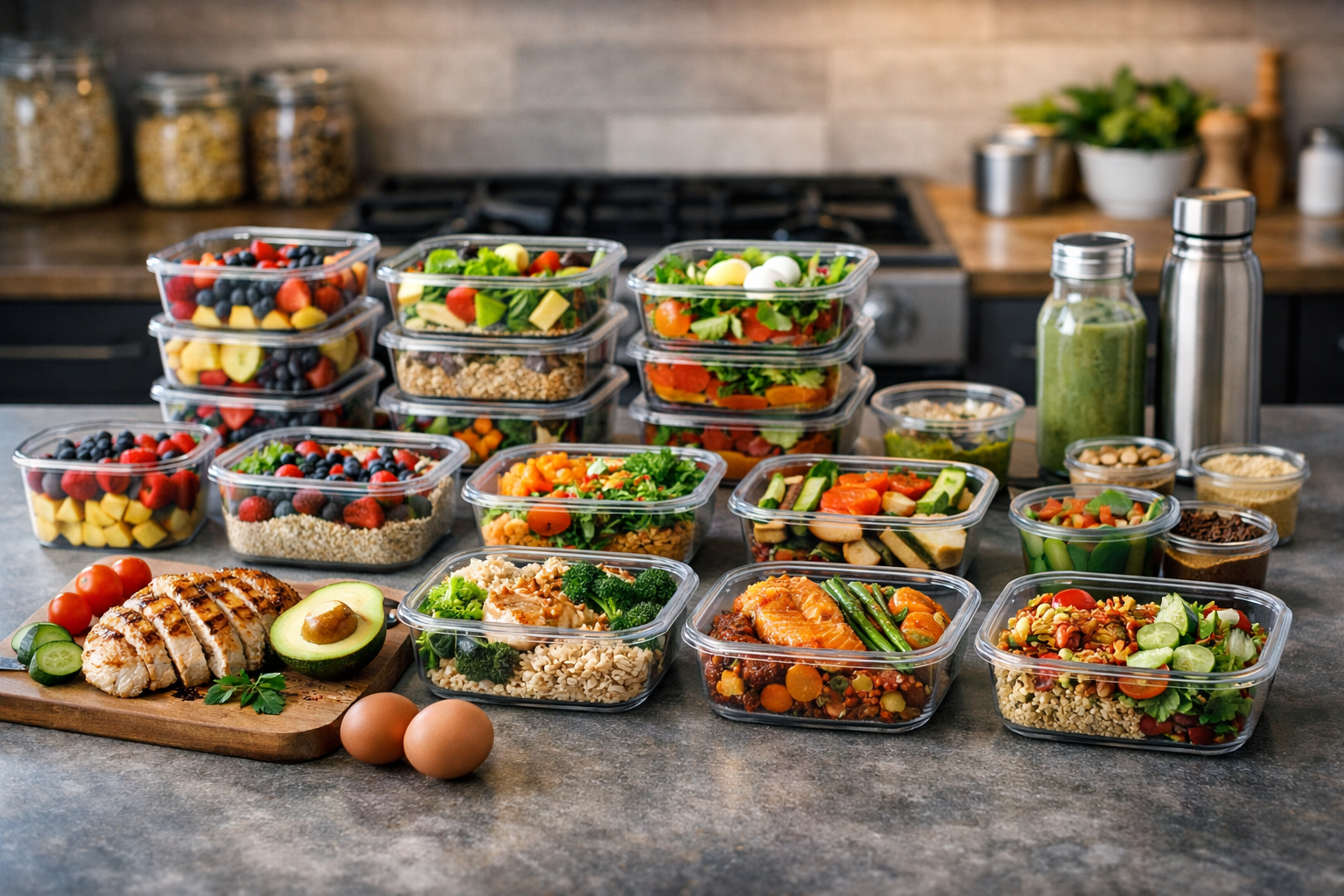
Once your food is cooked, portion out meals into containers. Use glass containers to keep food fresh for longer, and make sure each container has the right amount of protein, vegetables, and carbohydrates. If you have leftovers, freeze them for future meals.
4. Organize and Store Your Meals
Proper storage is essential to ensure your prepped meals stay fresh throughout the week. Here’s how to organize your meals efficiently:
Label and Date Your Meals
Label each container with the name of the dish and the date it was prepared. This will help you stay on top of when each meal was made, so you can eat them in the proper order before they spoil. This is especially useful if you prepare several different meals at once.
Store in the Right Containers
Invest in airtight containers or meal prep containers that can go from the fridge to the microwave. This will make your life easier when reheating meals and prevent spills or leaks. Glass containers are an excellent choice because they don’t stain or retain odors like plastic.
Use Freezer-Friendly Meals
Some meals can be frozen for later use, such as soups, stews, and casseroles. This is great for meals that you won’t be eating within the first few days. Just make sure to leave room for expansion in the containers and to label them properly.
5. Stick to Your Meal Plan
Consistency is key to successful meal prepping. Here are some tips to make sure you stick to your plan:
Reheat Properly
When it’s time to eat, make sure you reheat your meals properly. If you’ve stored meals in separate components (like protein, carbs, and veggies), heat them individually to avoid overcooking. If you’ve frozen meals, thaw them in the fridge overnight for best results.
Avoid Straying from Your Plan
It can be tempting to skip your prepped meals and order takeout, especially when you’re busy. However, if you’ve put in the effort to meal prep for the week, make sure you stick to your plan. Meal prepping will save you time and money in the long run, so stay committed.
Conclusion
Mastering meal prep for the week is a game-changer when it comes to eating healthy and staying on track with your nutrition. By planning ahead, batch cooking, and storing your meals properly, you can eliminate the stress of daily meal decisions and ensure you’re eating nutritious food all week long. With a little practice and the right tools, meal prepping can become a simple and rewarding habit.
—
FAQ
Q: How long does meal prep for the week last?
A: Typically, meal prep can last for 4–5 days in the fridge, and up to 3 months in the freezer, depending on the meal.
Q: What are some easy meal prep ideas for beginners?
A: Simple options include salads with grilled chicken, rice bowls, overnight oats, and stir-fries with veggies and protein.
Q: Can I meal prep snacks as well?
A: Yes! Snacks like cut vegetables, fruit, yogurt, or homemade granola bars are great to prep in advance.
Q: Do I need to cook everything ahead of time for meal prep?
A: Not necessarily. You can prep ingredients in advance, such as chopping veggies or marinating meat, and then cook them closer to meal time for added convenience.
