US Updates Travel Warning for Quake-Hit Nation, Citing Disaster Risks and Violent Crime
US updates travel warning for quake – The U.S. State Department has issued a revised travel advisory for Venezuela, urging American citizens to evaluate their visits to the South American country due to heightened dangers. The nation now holds a Level 3 “Reconsider Travel” status, which was updated on June 27. While Venezuela has maintained this risk level throughout the year, the latest warning specifically highlights the recent seismic events as a critical factor influencing the assessment. This update comes as officials emphasize the compounded threats of natural disasters and ongoing security challenges in the region.
Seismic Activity and Its Impact
Venezuela was recently struck by a sequence of devastating earthquakes, including a magnitude 7.2 foreshock followed by a magnitude 7.5 tremor on June 24. The rapid succession of these quakes has caused significant damage to infrastructure and disrupted essential services. “The country endured a powerful foreshock and major earthquake in quick succession,” the advisory noted. “This led to widespread destruction, hampering transportation networks and emergency response capabilities.” The tremors have raised concerns about the structural integrity of buildings, roads, and utilities, particularly in regions with older construction practices.
Experts warn that the earthquakes have exacerbated existing vulnerabilities in Venezuela’s disaster preparedness. The country’s infrastructure, already strained by years of economic decline and political instability, faces additional challenges in recovery efforts. This situation has prompted the State Department to highlight the potential for both natural and human-related hazards, urging travelers to take precautions beyond standard safety measures.
Crime and Security Concerns
Alongside the earthquake risks, the advisory underscores Venezuela’s persistent security issues. Officials report that “crime, kidnapping, terrorism, and inadequate health facilities” pose substantial threats to visitors. Violent crimes such as homicide, armed robbery, and abductions are common, with no reliable data to quantify their frequency. “Irregular armed groups can target citizens without warning,” the advisory states, emphasizing the unpredictability of such attacks.
Travelers are advised to remain vigilant, as the risk of violence extends to both urban and rural areas. The lack of consistent crime statistics adds to the uncertainty, making it difficult to assess the true level of danger. In addition to the earthquakes, these security threats have contributed to the State Department’s decision to maintain a high-risk designation for the country.
Expanded High-Risk Zones
Several regions in Venezuela are now classified under the more severe Level 4 “Do Not Travel” advisory. This includes the border area with Colombia, Amazonas state, Apure state, and parts of Aragua state near Maracay. Guárico state, Táchira state, and rural regions of Bolívar state have also been added to the list. These zones are particularly vulnerable due to their geographic and infrastructural conditions, as well as their exposure to criminal activity.
While the overall advisory reflects Venezuela’s complex security landscape, the Level 4 areas highlight specific regions where the risks are even more pronounced. The combination of natural disasters and unstable local conditions has created a precarious environment for tourists, prompting the State Department to issue targeted recommendations for these locations.
Political Context and U.S. Involvement
The travel warning coincides with a backdrop of evolving U.S.-Venezuela relations. Despite the country’s economic and political challenges, the American government has provided disaster relief in recent months, following the arrest of President Nicolás Maduro. This intervention, which the State Department describes as a “unprecedented response,” has been welcomed by Venezuelan authorities.
Officials note that the U.S. has worked closely with interim leaders in the aftermath of the earthquakes, ensuring cooperation in rescue and recovery efforts. “We’ve observed full compliance from Venezuela’s interim authorities,” a State Department representative previously told Fox News Digital. “This reflects the strong partnership between our nations in addressing the crisis.” The connection between the relief efforts and the updated travel advisory underscores the interplay between humanitarian aid and security assessments.
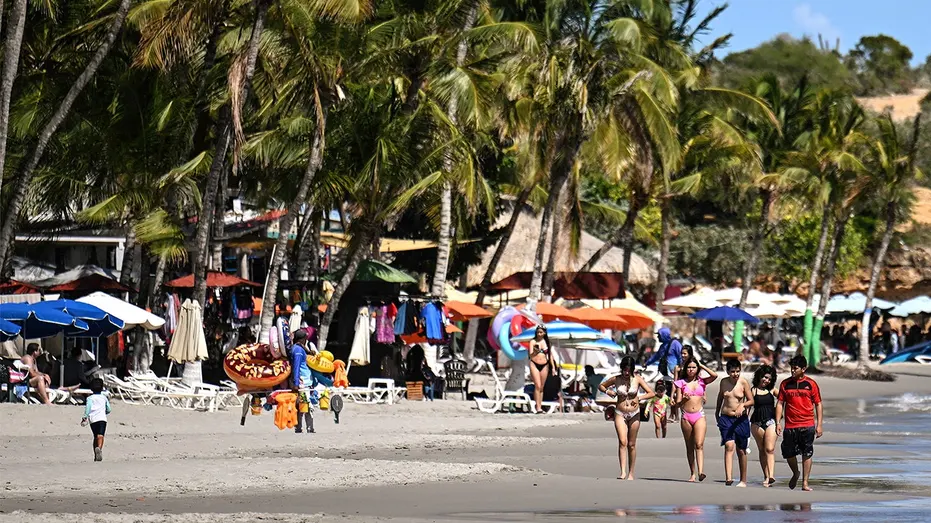
Venezuela’s position as a destination for American tourists remains limited, with fewer visitors compared to other Latin American countries. However, some Americans still travel to the country for family visits or to explore its natural attractions, such as Angel Falls and the Los Roques National Park in the Caribbean. These sites, while iconic, now face additional risks due to the recent earthquakes, which have damaged nearby areas and disrupted local tourism operations.
Broader Implications for Travelers
The advisory serves as a reminder of the multifaceted risks associated with travel to Venezuela. While the immediate focus is on the earthquake damage and security threats, the combination of these factors creates a volatile environment for visitors. The State Department recommends that travelers consider their personal circumstances, such as the likelihood of encountering violent crime or the potential for infrastructure failures, before planning trips.
Moreover, the warning highlights the importance of staying informed about local conditions. Travelers are advised to monitor updates from the State Department and local authorities, as the situation in Venezuela continues to develop. The updated advisory reflects a dynamic risk assessment, incorporating both natural disasters and the ongoing security challenges that have long plagued the nation.
As the U.S. government steps in to provide support, the advisory also signals a renewed emphasis on protecting American citizens abroad. The combined efforts of disaster relief and security monitoring aim to mitigate risks and ensure that visitors are well-prepared for the challenges they may face. However, the situation remains complex, with the potential for both natural and human threats to impact the safety of travelers in the region.
The State Department’s decision to update the travel warning comes as part of its broader strategy to address evolving risks in South America. By combining data on seismic activity with security assessments, the agency provides a comprehensive view of the dangers associated with visiting Venezuela. This approach ensures that travelers are equipped with the necessary information to make informed decisions about their safety.
For those planning to visit Venezuela, the updated advisory serves as a critical resource. It encourages travelers to consider the country’s current challenges while also acknowledging its cultural and natural attractions. The Level 3 and Level 4 designations offer a clear framework for understanding the varying degrees of risk, allowing individuals to tailor their travel plans accordingly.
In conclusion, the U.S. State Department’s latest travel warning for Venezuela reflects a careful balance between acknowledging the country’s natural and security risks. The combination of recent earthquakes and persistent criminal activity has led to a heightened caution for American citizens, ensuring that they are aware of the potential dangers while also supporting efforts to stabilize the region.
“We have seen total compliance from the interim authorities in Venezuela as a result of the unprecedented response by the United States to these deadly earthquakes,” said a State Department official. This statement highlights the collaborative efforts between the two nations in the wake of the disaster, even as the travel advisory remains in place to safeguard American interests.
For more insights on lifestyle news, click here to sign up for our Lifestyle Newsletter. To test your knowledge with our latest quiz, click here for our Lifestyle Quiz.