The ‘1776 Diet’: What Americans Truly Consumed During the Nation’s Founding
A Return to Colonial Culinary Roots
The 1776 Diet – In recent years, the dietary patterns of American colonists have gained renewed interest, sparking a wave of nostalgia for their simple, wholesome eating habits. During the nation’s formative years, meals were largely composed of minimally processed, locally sourced whole foods, with a notable emphasis on organ meats such as liver and heart. These dietary choices were not just a matter of availability but also a reflection of the settlers’ adaptability and resourcefulness in using what their environment provided.
By the time the United States was established, European explorers and settlers had already introduced livestock and a variety of Old World crops to North America. These ingredients formed the backbone of colonial cooking, which was often a blend of traditional European methods and Indigenous staples. For instance, corn—originally cultivated by Native peoples—became a cornerstone of many recipes, transforming into dishes like cornmeal porridge and griddle cakes, which were popular across regions.
The Fusion of Old and New World Influences
Colonial food traditions emerged from the intersection of European and Indigenous culinary practices. While settlers brought their own cooking techniques, they also adopted elements from the native populations. Corn, for example, was so integral to the diet that it appeared in numerous forms, from hasty pudding to johnnycakes, as noted by the CSPC. This adaptation allowed colonists to create dishes that were both familiar and uniquely suited to their new environment.
Other crops such as beans, squash, and potatoes also played a significant role in shaping colonial fare. These foods were not only abundant but also versatile, enabling the creation of stews and side dishes that varied by region. The CSPC highlighted how the availability of local ingredients influenced the development of distinct culinary identities across the colonies. In the South, rice and okra flourished, with French and African culinary traditions leaving a lasting mark on the region’s food culture.
Meat as a Status Symbol and Necessity
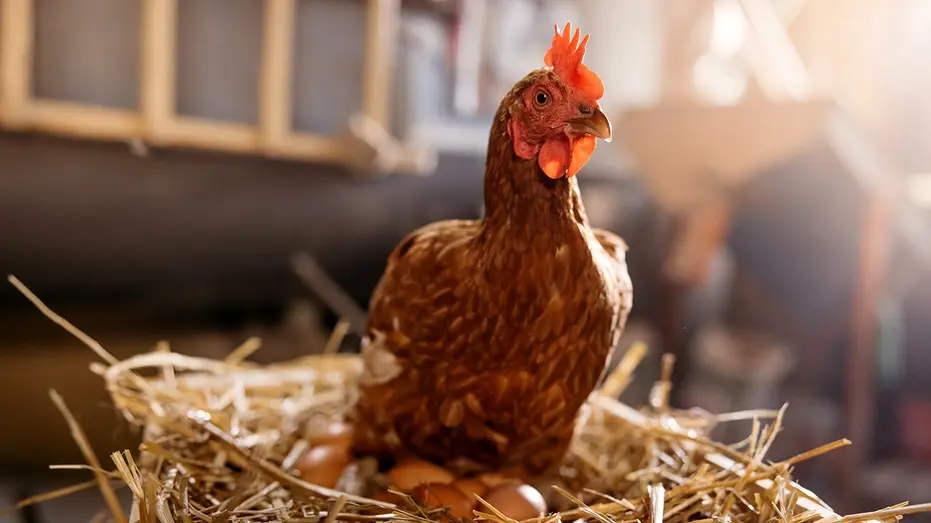
Meat was a prized commodity in colonial society, often serving as a marker of wealth and social standing. Local food historian Joyce White explained that beef was highly valued, while chicken was typically reserved for egg production. “If it’s your pig or cow coming from your plantation, you don’t want to waste it,” she said, emphasizing the practicality of preserving meats for sustenance. Salted fish, bacon, and offal like liver pudding were staples for working-class families, reflecting the need to stretch limited resources.
Meanwhile, the upper echelons of society indulged in more refined ingredients such as white flour and sugar. These luxuries, though less accessible to the general population, symbolized a growing shift toward European culinary preferences. The balance between necessity and indulgence is a key aspect of the 1776 diet, illustrating the colonial mindset of using available resources efficiently while still enjoying variety.
Thomas Jefferson and the Founding Fathers’ Eating Habits
Thomas Jefferson, a pivotal figure in American history, was known for his refined palate and love of French cuisine. His diet included items like macaroni and cheese, French wine, and black-eyed peas, turnip greens, and ham. The CSPC reported that such dishes were not only a reflection of his personal tastes but also indicative of the broader colonial diet, which was influenced by the diverse cultural backgrounds of the settlers.
Jefferson’s choices highlight the intersection of European and American culinary traditions. For example, the use of black-eyed peas, a staple in Southern cooking, was common among the Founding Fathers. These foods were often incorporated into hearty stews, which became a hallmark of colonial meal preparation. The adaptability of the diet to seasonal availability and local ingredients underscores the practical, yet flavorful, nature of early American food.
Modern Resurgence and Health Considerations
The renewed interest in the 1776 diet is part of a broader movement toward whole, minimally processed foods. Advocates of the Make America Healthy Again initiative have highlighted the nutritional value of organ meats, promoting them as cost-effective and nutrient-rich options. However, experts caution against adopting the diet too rigidly. “Colonial Americans often ate foods like salted ham, organ meats, and other preserved meats out of necessity,” said registered dietician Lisa R. Young. “Today, we know it’s best to limit processed and cured meats because they’re high in sodium and saturated fat.” She also noted that while organ meats are dense in nutrients, they should be consumed in moderation due to their cholesterol content.
Despite these considerations, the diet’s focus on fresh, locally sourced ingredients and home cooking remains appealing. Young suggested emphasizing the healthiest aspects, such as fruits and vegetables, beans, whole grains, and lean proteins. “Of course, you can emulate the Founding Fathers’ diet for the week of the 250th anniversary,” she said. “What you eat for a day or a week won’t matter much in the scheme of things.” This perspective encourages a flexible approach to historical eating habits, allowing individuals to incorporate their modern preferences without strict adherence to colonial norms.
George Washington and the Art of Colonial Brewing
Colonial food culture extended beyond solid meals to include beverages that were essential to daily life. George Washington, the first president of the United States, was also a skilled brewer. His journal, housed in the New York Public Library, contains a recipe for “small beer,” a drink that was both practical and popular. As Adrian Miller, author of “The President’s Kitchen Cabinet,” explained to NPR, “The amount of alcohol the colonists consumed was ‘staggering.’ They were very open about how much they were drinking.” This beverage, made with minimal alcohol content, was quick to prepare and safer to consume due to the sanitizing effects of the brewing process. It served as an everyday staple, complementing the colonists’ otherwise robust diet.
Small beer was more than just a drink; it was a symbol of colonial ingenuity. Its simplicity made it accessible to all classes, while its role in social gatherings highlighted its importance in community life. The inclusion of such beverages in the 1776 diet underscores the diverse range of food and drink options available to early Americans, even as they relied on preservation techniques to ensure sustenance during long winters.
As the 250th anniversary of the nation’s founding approaches, the 1776 diet continues to inspire discussions about health and history. While the colonial era’s food choices were shaped by necessity and resourcefulness, modern interpretations offer a way to honor these traditions while aligning with contemporary nutritional guidelines. The blend of historical authenticity and modern adaptability ensures that the 1776 diet remains relevant, even as new generations explore its lessons for today’s meals.
For those curious about the past, the 1776 diet provides a fascinating glimpse into the culinary practices that laid the foundation for American food culture. Whether through a lifestyle quiz or the latest newsletter, there are opportunities to delve deeper into this historical topic. The resurgence of interest in these traditional foods reflects a growing appreciation for the simplicity and richness of early American cuisine, bridging the gap between past and present with every bite.