Democratic Lawmakers Highlight ‘Economic Violence’ in Lack of Paid Menstrual Leave
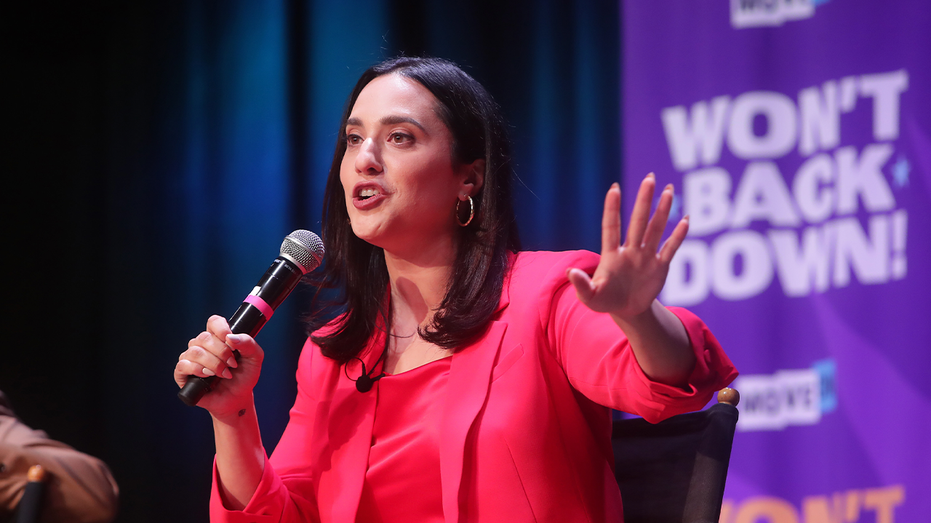
Dem lawmakers gripe about the economic – On May 21, a group of Democratic lawmakers raised concerns about the financial impact of inadequate workplace support for women experiencing severe menstrual pain. They described the absence of paid leave for such conditions as a form of ‘economic violence,’ emphasizing how it forces individuals to make difficult choices between their health and their income. The discussion, which took place during a press conference, has sparked a broader conversation about gender equity in employment policies.
Legislators Call for Reproductive Healthcare Leave
Representative Adelita Grijalva of Arizona, along with Representatives Yassamin Ansari and Rashida Tlaib, who are both from Arizona and Michigan respectively, joined forces to highlight the need for comprehensive leave policies. These lawmakers are supporting Ansari’s Reproductive Healthcare Leave Act, a key component of her ‘H.E.R.’ (Healthy, Equity, Rights) Agenda. The act aims to address gaps in current labor laws by providing up to 12 days of paid time off annually for reproductive health needs.
“Forcing a worker to choose between paying her rent or losing a day’s pay to recover from a grueling gynecological procedure is not a choice. It’s economic violence,” Grijalva stated during the press conference.
Ansari, who has personally experienced the challenges of severe menstrual pain, shared a poignant story about her own struggles. According to a recent TIME article, she once woke up on the floor of her local bodega, drenched in sweat, and was rushed into an ambulance. This personal anecdote underscores the urgency of the issue, as she described the pain as feeling like ‘barbed wire’ inside her body. The H.E.R. Agenda also includes provisions for research into gynecological pain management and awareness of Premenstrual Dysphoric Disorder.
The Reproductive Healthcare Leave Act, officially designated as H.R. 8158, has garnered significant attention for its broad scope. It would not only cover menstrual pain but also include procedures such as abortions, menopause symptoms, miscarriages, biopsies, vasectomies, and more. This legislation reflects a growing recognition of the diverse health needs that extend beyond traditional maternity leave.
Backlash Over ‘Biological’ Language in Women’s History Bill
While the bill has received bipartisan support in some areas, it has also faced criticism from conservative lawmakers. In particular, Rhode Island state Representative Marie Hopkins, a Republican, expressed frustration over the use of the term ‘biological’ in the Women’s History Museum Bill. She argued that this language could be interpreted as implying that women are a distinct category, potentially leading to confusion in how gender roles are defined.
Ansari’s legislation, introduced on Saturday with 28 Democratic co-sponsors and no Republican backing, has already generated debate. Critics question whether the bill might inadvertently create new challenges for employees, such as allowing discrimination against women or excluding men from receiving paid leave for conditions like prostate issues. Some social media users have also raised concerns about the fairness of the policy, noting that while the act covers vasectomies, it does not explicitly include paid days for male reproductive health concerns.
“Ladies, you can’t keep saying men can be women, but then also say that women are a special category. You’ve got to pick a lane. You’re very confusing to the rest of us,” Hopkins wrote on X.
Despite these criticisms, the bill has received endorsements from prominent organizations, including Planned Parenthood, the National Organization for Women (NOW), and the American College of Obstetricians and Gynecologists. These groups argue that the legislation is a crucial step toward addressing systemic inequalities faced by women in the workplace. Angela Vasquez-Giroux, vice president of communications for Planned Parenthood Votes, addressed these challenges in a Bloomberg article.
“Though there are roadblocks to the bills becoming law, that doesn’t mean lawmakers shouldn’t try. We’ve seen overwhelming success from candidates who have a plan and a clear vision,” Vasquez-Giroux said.
Supporters of the act emphasize its potential to provide much-needed relief for women who face intense pain during their menstrual cycles. By granting paid leave, the policy aims to ensure that individuals can take time off without jeopardizing their financial stability. This approach aligns with broader efforts to integrate reproductive health into the national conversation about workplace rights and economic fairness.
Broader Implications for Economic Equity
The debate over paid menstrual leave has become a symbol of the larger struggle for economic equity. Critics argue that the term ‘economic violence’ is a strong metaphor, but it effectively captures the systemic nature of the problem. When a worker is forced to choose between covering rent expenses or sacrificing a day’s income to recover from intense gynecological procedures, it’s not a matter of personal preference—it’s a structural issue.
Proponents of the bill stress that it is not about discrimination but about ensuring equal access to healthcare and time off. They believe that allowing employees to take paid leave for menstrual pain, miscarriages, and other reproductive health needs is essential for creating a more inclusive workforce. The bill’s introduction has also been met with enthusiasm from advocacy groups, who see it as a potential game-changer in the fight for gender equity.
As the discussion continues, the Reproductive Healthcare Leave Act stands as a testament to the growing awareness of the unique challenges women face in the workplace. By addressing these issues, lawmakers hope to create a system where every individual, regardless of gender, can take the time they need to recover without financial strain. The bill’s journey through Congress will be closely watched, as it may set a precedent for future workplace policies focused on comprehensive health care support.