Interpol Issues Red Notice for Ukrainian Woman Linked to Monaco Apartment Bombing Targeting Oligarch
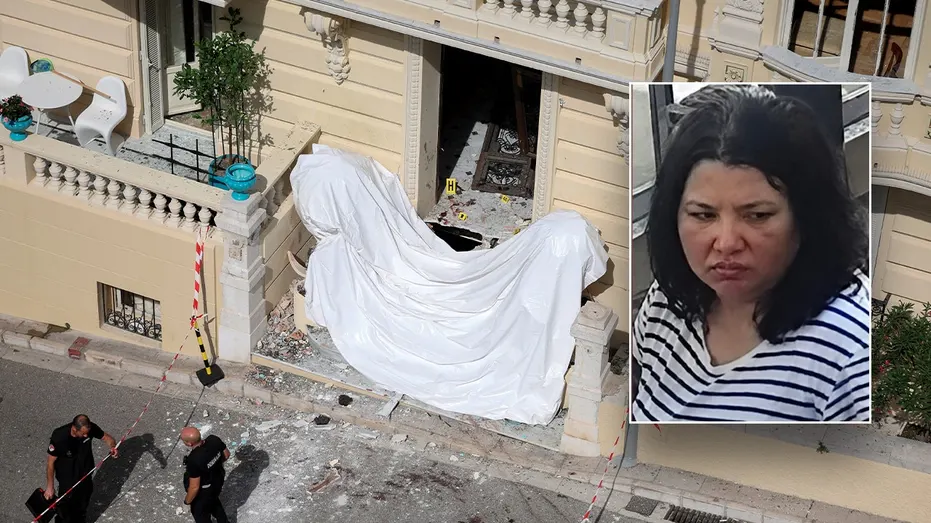
Interpol issues red notice for Ukrainian – On Friday, the International Criminal Police Organization (Interpol) released a red notice for Anastasiia Berezovska, a 39-year-old Ukrainian national suspected of orchestrating a bombing at a residential building in Monaco. The attack, which occurred on June 30, was allegedly aimed at a Russian-linked Ukrainian oligarch, Vadym Yermolaiev, a construction magnate known for his business ventures. According to reports, the explosion left two individuals critically injured, including Yermolaiev, who is believed to have survived the incident.
Monaco’s public prosecutor, Stéphane Thibault, confirmed the attack targeted Yermolaiev, though he did not name the victims publicly. However, additional details emerged about the other casualties. Thibault stated that the blast also injured a woman and a 13-year-old child in the apartment, with media outlets widely suggesting they were members of Yermolaiev’s family. The incident has sparked questions about the connection between the oligarch’s activities and the attack, as he is associated with Russia through his business dealings.
Suspect Profile and Initial Misidentification
Berezovska, as per Interpol’s description, is now wanted for charges of attempted murder, placing an explosive device on a public highway with criminal intent, and involvement in a criminal association. The organization identified her as a dark-haired woman who speaks German and may have a tattoo of a snake on her arm. Initially, investigators believed the suspect to be a heavy-set man, which led to confusion in early reports. Monaco’s deputy prosecutor, Morgan Raymond, even referred to the suspect in masculine terms during the initial news conference.
Raymond described the sequence of events in the aftermath of the explosion. “The suspect stood a few meters ahead of the victims, placed an explosive device from his shopping bag on the entrance steps of the building, then turned to confirm the presence of the three victims before triggering the detonation remotely,” he said. This account highlights the precision of the attack, which appears to have been planned with care. The prosecutors have emphasized the sophistication of the explosive device, suggesting the perpetrator was not acting alone.
Investigation and Surveillance Clues
Monaco’s authorities reviewed surveillance footage leading up to the attack, revealing a pattern of surveillance. A man wearing a fishing hat was seen casing the apartment building and surrounding areas multiple times in the days before the explosion. However, on June 28, the man was absent from the security cameras. This prompted investigators to consider a female suspect, as the subsequent footage showed a woman following the same reconnaissance routine.
The shift in suspect gender became more apparent as the investigation progressed. Raymond noted the deliberate pauses and repeated observations in front of the building, which indicate a targeted approach. “The repeated reconnaissance operations and the pauses made in front of the building clearly demonstrate the intention to specifically target the three victims,” he explained. This evidence has strengthened the case against Berezovska, who is now considered the primary suspect.
Escape Route and International Pursuit
Following the attack, investigators tracked Berezovska’s movements as she crossed into France from Monaco. Her path then led through Italy and into Germany, where authorities are actively searching for her. On Thursday, German police raided her apartment in Frankfurt, uncovering clues that point to her involvement. The raid was part of a broader effort to apprehend the suspect and gather further evidence.
Berezovska’s escape and the sophistication of her explosive device have raised suspicions about her possible collaborators. Raymond stated, “The relative sophistication of the explosive device and the modus operandi appear to indicate that the person who placed the device was not acting alone,” highlighting the complexity of the operation. This could imply a network of individuals working in tandem to carry out the attack, which has now become a key focus of the investigation.
Background of the Oligarch and Motive
While the exact motive for the bombing remains unclear, Yermolaiev’s status as a sanctioned former Ukrainian citizen adds context to the incident. According to Ukrainian media, Yermolaiev renounced his Ukrainian citizenship in 2017 and has been a resident of Cyprus since 2019. In 2023, the Ukrainian government imposed sanctions on him for allegedly continuing ties with Russia, including tax payments to Moscow and facilitating business transactions through his liquor operations in Crimea.
Crimea, a Ukrainian peninsula, was annexed by Russia in 2014, making Yermolaiev’s business activities a potential point of contention. His involvement with the oligarchic class and ties to Russian interests may have made him a target. The bombing’s timing, occurring shortly after his sanctions were announced, has led to speculation about its political significance. However, authorities have not yet confirmed any direct link between the attack and Yermolaiev’s business dealings with Russia.
Impact and Ongoing Investigations
The Monaco apartment bombing has drawn international attention, with Interpol playing a central role in coordinating the search for Berezovska. The incident underscores the growing threat of cross-border criminal activities, as suspects can evade capture by moving through multiple countries. Raymond’s statements during the initial press conference emphasized the meticulous planning behind the attack, which involved both surveillance and a precise detonation.
As the investigation continues, more details about Berezovska’s life and connections are being uncovered. Her ability to move across borders and her possible association with a criminal network suggest a broader scope to the case. The explosion not only injured individuals but also created a ripple effect, prompting inquiries into the geopolitical motivations behind the attack. With the suspect now in Germany, the focus remains on finding her and understanding the full extent of her involvement.
Berezovska’s case also highlights the challenges of identifying suspects in urban settings where surveillance and evidence can be easily obscured. The use of a remote-controlled detonator adds a layer of complexity, as it allows for a degree of anonymity. This has led investigators to scrutinize her past activities, including her financial ties and any potential links to Russian-linked groups. The case is expected to shed light on the intersection of personal and political motives in acts of violence.
Monaco’s authorities have pledged to continue their efforts in tracking down Berezovska and bringing those responsible to justice. The red notice issued by Interpol serves as a formal request for her arrest, underscoring the seriousness of the charges. As the investigation unfolds, the details of the attack and its implications for regional security will become clearer, potentially influencing future actions against individuals with ties to Russia and Ukraine.