New Limited-Edition U.S. Passport Features Trump’s Image and a Warning
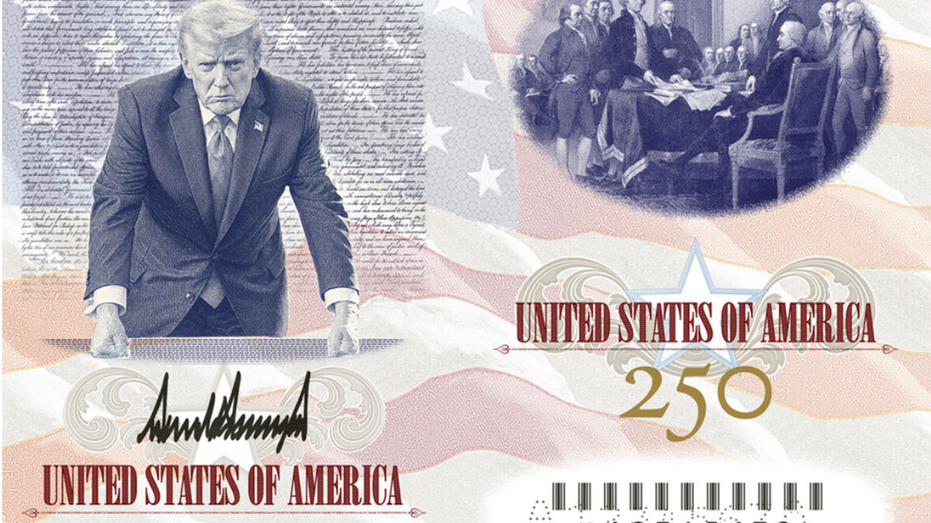
New limited edition US passport features – On Friday, President Donald Trump revealed the interior of the newly designed United States passport, which prominently features his photograph alongside a historical image of the Founding Fathers signing the Declaration of Independence. The design, part of the Trump administration’s broader “America250” initiative, includes a bold message directed at foreign visitors: “Welcome, but be good!” This phrase, accompanied by a photograph of Trump standing solemnly before the iconic document, aims to reinforce expectations for behavior among those entering the country. The limited-edition passports, set for release this summer, are intended to commemorate the 250th anniversary of American independence, blending historical imagery with a modern political statement.
American Heritage Meets Modern Messaging
The passport’s interior page showcases Trump’s likeness in a deliberate juxtaposition with the 1776 Declaration of Independence, a symbolic nod to the nation’s founding principles. A State Department official previously shared details about the new design with Fox News Digital, explaining that the passports will be available to “any American citizen” during the rollout period and will continue to be issued as long as there is demand. The imagery on the page also includes the text “United States of America 250,” subtly highlighting the historical milestone. This visual composition, critics argue, serves as both a tribute to the past and a reminder of the values the administration seeks to uphold.
“The U.S.A.’s New Passport, which says, ‘Welcome, but be good!’ President DJT,” Trump wrote in a Truth Social post, captioning the image.
Trump’s social media message underscores a broader narrative of accountability and respect for American institutions. The inclusion of his portrait in the passport, he emphasized, is a way to honor the nation’s legacy while reinforcing expectations for foreign visitors. The design has sparked debate, with some viewing it as a patriotic gesture and others interpreting it as an attempt to project authority through symbolism. Meanwhile, the passport’s layout features a mock-up of the Founding Fathers’ signatures, creating a striking contrast between the nation’s revolutionary past and its current political landscape.
Commemorative Efforts and Public Events
The “America250” celebration encompasses a range of initiatives designed to mark the 250th anniversary of American independence. Alongside the new passport design, the program includes a Grand Prix race on the National Mall in August and a UFC fight held on the White House South Lawn earlier this month. These events aim to blend historical recognition with contemporary cultural engagement, appealing to both traditional and modern audiences. The passport rollout is one of several ways the administration is commemorating the occasion, emphasizing its role in shaping the nation’s identity.
State Department officials have highlighted that the limited-edition passports are a special edition, distinct from standard passports. This distinction ensures that the commemorative design is reserved for those who choose to apply during the release period. The administration’s focus on the 250th anniversary has been accompanied by other symbolic gestures, such as the Grand Prix race and the UFC event, which collectively reflect a strategy to intertwine national pride with public entertainment. The new passport, however, stands out as a direct representation of the country’s founding ideals and the current leadership’s vision for America.
Stricter Vetting Policies and the 2026 World Cup
As the U.S. prepares to host the 2026 FIFA World Cup, the introduction of the new passport coincides with the implementation of stricter vetting policies for foreign visitors. These measures demand that tourists and nonimmigrants adhere to American laws and institutions, reinforcing a message of cultural and political alignment. The World Cup, set to take place from June to July 2026, will see hundreds of thousands of international attendees, making the emphasis on respectful behavior particularly relevant.
According to reports, the tightened rules are part of an ongoing effort to ensure that foreign visitors comply with U.S. standards. The passport’s warning, “Welcome, but be good!,” is seen by some as a direct extension of these policies, encouraging travelers to uphold the country’s values. The timing of the passport rollout and the World Cup highlights a strategic alignment between national celebration and immigration oversight, suggesting that the administration is using the anniversary as a platform to address both historical and contemporary concerns.
Public Reaction and Symbolic Significance
The new passport design has generated mixed reactions among the public. Supporters praise the inclusion of Trump’s image as a recognition of his role in American politics, while critics argue that it may be perceived as an attempt to dominate the narrative of national heritage. The phrase “Welcome, but be good!” has been interpreted in various ways, with some viewing it as a call for civility and others seeing it as a subtle critique of foreign visitors’ behavior.
Historians and design experts note that the placement of Trump’s portrait alongside the Declaration of Independence is a deliberate choice. The Founding Fathers’ signatures, etched into the page, serve as a reminder of the nation’s revolutionary roots, while Trump’s image brings a modern political perspective to the design. This duality has sparked discussions about the balance between historical tradition and contemporary leadership in shaping national identity. The limited-edition aspect of the passports also adds to their symbolic value, making them a collectible item for patriotic citizens and a political statement for others.
Meanwhile, the broader “America250” program continues to evolve, with additional events planned to celebrate the anniversary. The Grand Prix race on the National Mall, for instance, is expected to draw attention to the intersection of American history and global influence, while the UFC fight on the White House lawn underscores the administration’s efforts to integrate popular culture with national symbolism. These events, combined with the new passport design, reflect a multifaceted approach to honoring the nation’s past while projecting its current image to the world.
As the release date approaches, the impact of the new design on both domestic and international perceptions of the United States remains a topic of interest. The passport’s blend of historical imagery and political messaging not only commemorates a significant event but also positions the Trump administration as a key player in defining the nation’s cultural and ideological direction. Whether viewed as a patriotic tribute or a political statement, the limited-edition passport is poised to become a notable symbol of the 250th anniversary of American independence.
In conclusion, the introduction of the new passport represents a unique effort to merge historical legacy with contemporary political identity. The design, featuring Trump’s image and the phrase “Welcome, but be good!,” serves as both a celebration of the nation’s founding principles and a reminder of the expectations placed on those who enter the United States. As the 250th anniversary approaches, the passport’s symbolism and the broader “America250” initiatives will likely continue to shape discussions about the country’s evolving narrative.