Obama Center: A New Vision Beyond Traditional Presidential Libraries
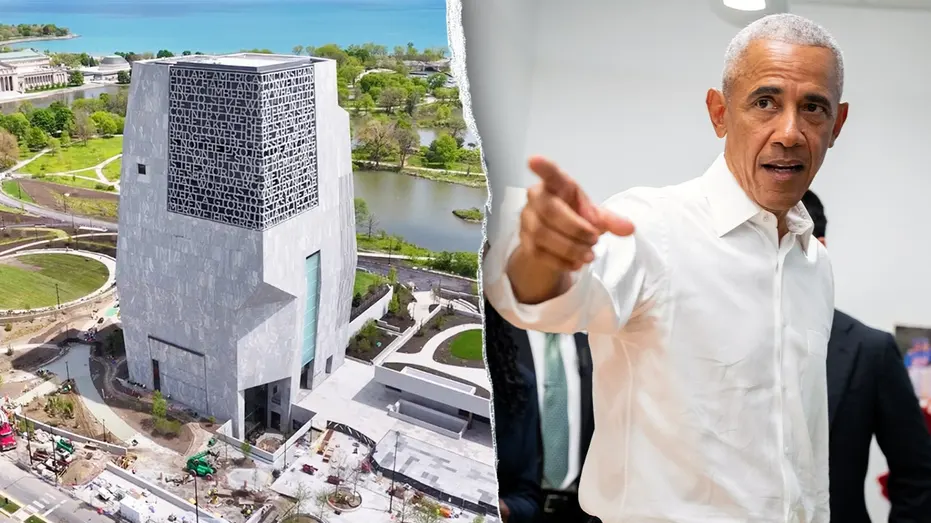
Obama Center isn t a traditional – The Obama Center, a $1 billion project, has sparked debate over its departure from traditional presidential libraries. While its grand opening in Chicago has drawn praise for its innovative design, critics argue that the facility is more of an activist hub than a historical archive. Unlike the static repositories of past leaders, this new complex features interactive spaces and community programs, reflecting a modern approach to preserving presidential legacy. However, some see this shift as prioritizing political influence over scholarly preservation, questioning whether the Obama Center truly aligns with the established purpose of presidential libraries.
Reimagining the Role of Presidential Libraries
Traditional presidential libraries are designed to house a leader’s records and artifacts, offering the public access to their history. The Obama Center, however, lacks this core function, with official documents stored separately. This choice has raised eyebrows among historians, who emphasize that such libraries should serve as neutral spaces for research and education. The Obama Foundation, which oversees the center, describes it as a “living institution,” combining cultural and political elements. Critics contend that this redefinition risks overshadowing the library’s primary role in preserving history.
Despite its lack of archival space, the Obama Center aims to be a multifunctional hub. It includes a museum, leadership programs, and a community sports facility, all intended to engage the public in Obama’s vision of active citizenship. While these features are modern and dynamic, they contrast sharply with the more static displays of earlier presidential libraries. The center’s “Democracy in Action Lab” exemplifies this focus, encouraging public participation in policy discussions. Yet, some argue that its emphasis on activism could prioritize present-day agendas over historical record.
Public Land and Legal Concerns
The center’s location in Jackson Park, a historic public green space, has intensified scrutiny. The site, under a 99-year lease for a symbolic $10, is seen by some as a strategic move to secure long-term control over a communal asset. Critics warn that this arrangement may blur the lines between public and private interests, potentially allowing the Obama Foundation to shape the land’s use for ideological purposes. While the legal challenge to the lease was unsuccessful, experts like Richard Epstein highlight that the public trust doctrine was not fully explored in the process.
Epstein, a prominent law professor, noted that the defeat of the challenge left the argument unexamined. “We weren’t told we were wrong on the merits. We were told we had no right to bring the case,” he explained. This perception of oversight has fueled concerns about the long-term implications of the lease. The Obama Center’s blend of activism and public space has left some wondering if it’s fulfilling its promise as a cultural landmark or leaning too heavily into political advocacy.
Activism as a Core Function
From the outset, the Obama Center has been positioned as a platform for ongoing social change. Its design and programming reflect Barack Obama’s background as a community organizer, with the center serving as both a monument and a launchpad for his progressive ideas. “It looks like Obama wants to use it as some kind of activism center,” said Tevi Troy, a presidential historian. Troy pointed out that the facility’s interactive exhibits and policy initiatives are tailored to promote engagement with current issues, rather than simply showcasing historical artifacts.
During the opening ceremony, Obama himself framed the center as a dynamic extension of his presidential work. “We designed the center not to be some lifeless mausoleum,” he emphasized, highlighting the global reach of the Obama Foundation’s leaders. The presence of a Polish human-rights lawyer, who has led over 30 lawsuits on refugee rights and climate policy, underscores the center’s activist orientation. While supporters praise its role in amplifying diverse voices, detractors worry it may shift the focus from historical preservation to political advocacy.