GLP-1 Weight Loss Drugs Reshaping the Bridal Industry as Shops Rush Orders and Require New Waivers
GLP 1 weight loss drugs are reshaping – The surge in GLP-1-based weight loss medications is transforming consumer behaviors across various aspects of daily life, including grocery shopping, dining at restaurants, and fitness routines. This trend is also creating a ripple effect in the wedding industry, where bridal retailers are adapting to meet the evolving needs of brides undergoing significant physical changes. According to recent reports, the demand for customizable and flexible wedding attire has led to shifts in inventory management, order processing, and garment alterations. These adjustments are driven by a growing number of brides who are achieving rapid weight loss through these drugs, necessitating new strategies to ensure their gowns remain a perfect fit.
Waivers and Body Transformations
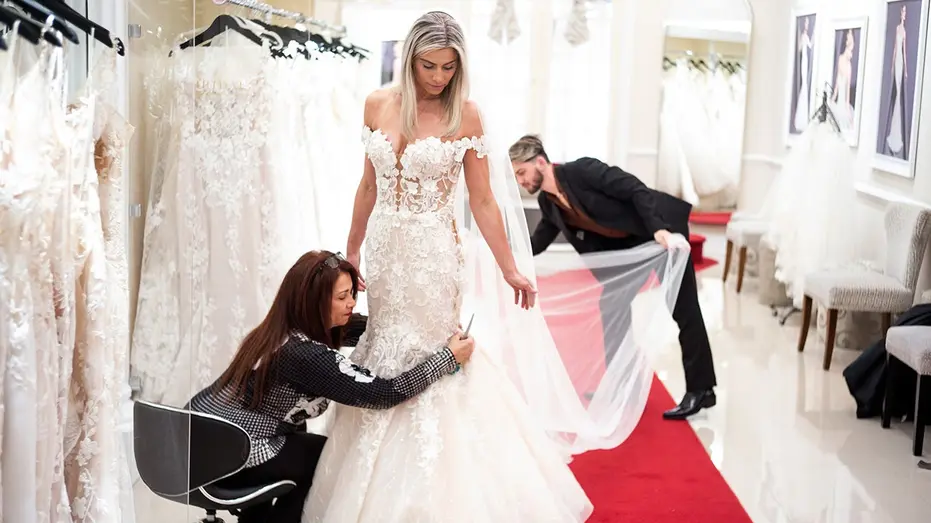
Bridal stores are increasingly requiring brides to sign new waivers, acknowledging that their current body size may not match the final fit of their dresses. This practice, which was once rare, has become more common as more women experience substantial weight loss before their wedding day. For instance, a New York bride who lost 50 pounds using GLP-1 drugs was asked to sign a waiver before purchasing a dress that was three inches smaller at the waist than her current frame. While such waivers have been in place for some time, their frequency has risen sharply in recent months, reflecting the industry’s response to the changing landscape of body sizes.
“Size anxiety has always been one of the No. 1 things brides are worried about,” said David’s Bridal CEO Kelly Cook. “But it’s at a heightened level that we haven’t seen before.”
Experts note that the primary reason for these adjustments is the unpredictable nature of weight loss. Some brides may lose 10% to 15% of their body weight, while others may see even greater reductions. This variability has led to a need for more flexible solutions, with many retailers now prioritizing alterations and customizable designs. The Wall Street Journal highlighted that shops are carrying more inventory, expediting delivery timelines, and offering tailored services to accommodate these shifts. This has created a new challenge: ensuring that the final gown fits perfectly despite the bride’s evolving physique.
Survey Data and Consumer Trends
A late 2025 poll by health policy research firm KFF revealed that approximately 12% of American adults are currently using GLP-1 drugs for weight loss, while 18% have taken them at some point. Notably, women are more likely than men to report ongoing use of these medications, with 15% of female respondents compared to 9% of males. These findings align with data from Zola, an online wedding planning company, which reported that 10% of couples planning 2026 weddings are using GLP-1 drugs, and an additional 10% are considering them before their big day. The survey underscores a broader cultural shift toward health-conscious lifestyles, with weight management becoming a central focus for many.
The impact of these drugs extends beyond individual health goals, influencing the entire wedding process. As more brides seek to lose weight, the timeline for dress shopping is being compressed. Previously, it was common for couples to begin planning their attire nine to twelve months in advance. Now, many brides are opting to purchase their gowns six months before the ceremony, requiring retailers to adjust their operations. This shift has also led to an increase in rush orders, with David’s Bridal reporting a 50% rise in such requests over the past year. The company has noted that 20% of its customers are altering their shopping schedules to accommodate the rapid changes in their bodies.
David’s Bridal and the Fit Guarantee
David’s Bridal, recognized as the largest bridal retailer in the U.S., has introduced a “Fit Guarantee” to address these challenges. This initiative, which became effective in May 2026, ensures that customers can receive adjustments to their gowns regardless of their size. The company emphasized that its commitment to fit is a key differentiator in a market where body sizes are fluctuating. “David’s Fit Guarantee is a brand assurance that we will work with guests to get the perfect fit for their body, their style, and their moment,” the firm stated in a press release.
“We’ll work with you to get a new size or collaborate with our alterations team to ensure you have the perfect fit for your day,” said David’s Bridal in a statement on its website.
CEO Kelly Cook of David’s Bridal described the need for this guarantee as a response to the changing expectations of modern brides. “Size anxiety has always been one of the No. 1 things brides are worried about,” she explained. “But it’s at a heightened level that we haven’t seen before.” The Fit Guarantee now includes provisions for resizing gowns, tailoring, and customizing details to meet the needs of brides who may not have their final size at the time of purchase. This approach aims to reduce “fit anxiety” and provide customers with greater confidence in their choices.
Adapting to New Realities
As the trend continues, bridal consultants are recommending more forgiving silhouettes to accommodate potential weight loss. Natalie Harris, a bridal studio owner, advised brides anticipating further weight loss to consider designs with adjustable backs and flared waistlines. These features allow for flexibility in sizing, reducing the risk of dissatisfaction with the final fit. The industry is also seeing a demand for larger inventory sizes, with retailers stocking a wider range of styles and sizes to cater to diverse body types.
The Mayo Clinic highlighted that weight loss achieved through newer GLP-1 drugs can approach 20% in some cases, emphasizing the need for adaptable solutions. This has prompted bridal shops to streamline their processes, with many now offering expedited delivery options and on-site alteration services. As a result, the traditional wedding shopping experience is evolving, with a greater emphasis on customization and responsiveness to individual needs. The integration of these changes into the bridal industry reflects the broader societal impact of GLP-1 drugs, which are no longer just a tool for weight management but a catalyst for redefining beauty standards and consumer expectations.
With more brides experiencing body transformations, the industry is also facing a new reality: the need to balance aesthetics with practicality. Retailers are now more likely to provide flexible return policies, encourage multiple fittings, and offer size exchanges. These adjustments are not just about fitting gowns but about creating a seamless experience for brides who may need to adjust their attire multiple times before the big day. The ongoing shift highlights how GLP-1 drugs are reshaping not only individual health journeys but also the cultural and commercial norms surrounding weddings.