Something Big: Feds Detail How Relatives of Suspects in Foiled White House UFC Plot Noticed Warning Signs
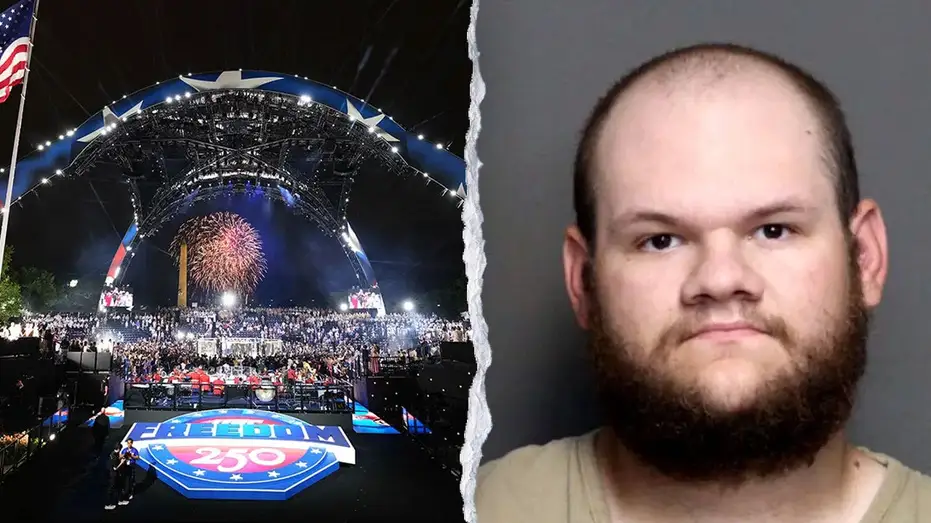
Something big – Law enforcement officials have shared insights into how family members of two individuals involved in an alleged plot to disrupt the White House UFC event last weekend identified potential threats before authorities intervened. According to a federal complaint filed in the Central District of California, Bryan Omar Roa, 24, of Calimesa, California, had expressed intentions to attend the event as a protester. His mother, however, reported that Roa had told her he planned to vanish one day and that he intended to travel to Washington, D.C., where “something big” would occur. This warning came just days before the event, prompting her to alert police to his concerns.
Concerns About Weapon Stockpiles and Behavioral Shifts
Family members of Bryan Roa noted significant changes in his behavior leading up to the incident. The complaint mentions that Roa had recently acquired a substantial number of firearms, including a new shotgun and rifle, along with “lots” of ammunition, ballistic plates, and extra magazines. These items, combined with his increased anxiety and irritability, raised red flags. One relative told investigators that Roa had been spending more time in isolation, often communicating with a new group of online friends. His unusual focus on weapon preparation and frequent mention of his plans to “do something big” in Washington, D.C., were also cause for alarm.
“One day we would wake up and he would be gone,” Roa reportedly told a family member, according to the federal complaint. This statement, made days before the event, became a critical piece of evidence in the investigation.
Meanwhile, in Ohio, Tycen Proper’s mother had also raised concerns about her son’s recent activities. On June 10, she called law enforcement after noticing his increased interest in firearms and his communication with individuals online who seemed to have questionable intentions. The complaint states that Proper, 19, had been planning “recons” with his online contacts, a term used to describe reconnaissance missions. His mother reported that he had spent the weekend of June 13 preparing to meet these contacts, acquiring camping gear, food, and protective equipment like ballistic plates and plate carriers.
“He had recently quit his job to prepare for these missions,” a family member told investigators. “He was planning to leave the weekend of June 13 to conduct operations with his new online friends.”
The Ohio police responded to Proper’s residence in Danville, where they found him in a state of homicidal ideation. He was taken to a local hospital for evaluation, according to the complaint. This incident appears to have drawn the FBI into the case, as officials began investigating the potential connection between Proper’s activities and the White House plot. Law enforcement sources confirmed that Proper had spent approximately $3,000 of his graduation money on the equipment, a detail that highlights the seriousness of his intentions.
Vehicle Malfunction Forces Suspect to Return Home
According to the complaint, Bryan Roa had experienced mechanical issues with his vehicle during the week of June 9. These problems, described as “extremely agitating” by his family, led him to return home after attempting to drive to the nation’s capital. The federal complaint states that Roa’s relatives initially considered reporting him but hesitated until he returned. This delay allowed him to continue his preparations, though the vehicle breakdown ultimately disrupted his plans.
“He had planned to attend UFC Freedom 250 as a protester, but his car broke down, forcing him to head back home,” the complaint noted. This detail underscores the role of unforeseen circumstances in thwarting the alleged attack.
After the incident, traffic cameras captured Roa’s registered vehicle in Barstow, California, on June 11, raising questions about his movements. While the exact link between his actions and the White House event remains under investigation, the timing of his departure and the stockpiling of weapons suggest a coordinated effort to target the event. The FBI’s Los Angeles office confirmed that the investigation is ongoing, though officials declined to comment on the specifics of how the case was uncovered.
Feds Investigate Multiple Warning Signs
Both Bryan Roa and Tycen Proper’s families played pivotal roles in identifying the threats. In Roa’s case, his mother’s decision to report his intentions after he disappeared from home provided crucial insight. Similarly, Proper’s mother had flagged his behavior and purchases to law enforcement, which led to his apprehension. These actions highlight the importance of familial awareness in preventing terrorist plots. The federal complaint emphasizes that Roa’s relatives had observed his heightened anxiety and erratic behavior, which included spending extended periods alone and engaging in aggressive online discussions.
Law enforcement sources indicated that the evidence gathered from both suspects’ families contributed to the broader investigation. Roa’s online interactions with a new group of friends, combined with his detailed plans for the trip, were key factors. The FBI’s Cincinnati office and the U.S. Attorney’s Office in Ohio were contacted for further information, but neither provided comments on the role of the family reports in the case. This silence suggests that the investigation is still in its early stages, with more details expected to emerge.
Obama Judge Rules on Effort to Block America 250 Events at White House and Lincoln Memorial
Separately, a federal judge has ruled on an attempt to block the America 250 events at the White House and Lincoln Memorial. The case, which involved concerns over potential security threats, was highlighted by the Obama administration’s legal team. The ruling, however, did not directly address the specific plot against the UFC event, but it underscores the broader scrutiny surrounding large gatherings at prominent national landmarks. The judge’s decision to allow the events to proceed indicates that the security measures in place were deemed sufficient to mitigate risks.
Despite the ruling, the FBI’s efforts to prevent the White House UFC plot remain a focal point of the investigation. Officials in California and Ohio have expressed confidence in their ability to uncover the full scope of the conspiracy. The federal complaint notes that Roa’s family had already reported his intentions, but the act of foiling the plot required swift action from law enforcement. This case serves as a reminder of the critical role that community vigilance plays in national security.
As the investigation continues, more information is expected to surface about the connections between the two suspects and the broader network of individuals involved in the plot. The FBI’s Los Angeles office confirmed that their inquiry into Bryan Roa’s activities is still active, while Ohio authorities are also following up on Tycen Proper’s case. These efforts reflect the agency’s commitment to addressing potential threats before they materialize, even in the face of ongoing challenges and delays in communication.
The foiled plot has sparked renewed interest in the security protocols surrounding high-profile events. While the specifics of the suspects’ plans remain under review, the warning signs identified by their families provide a clear narrative of the steps taken to prevent the attack. The combination of online communication, weapon stockpiles, and behavioral changes all point to a deliberate effort to target the White House UFC event. As the FBI and other agencies work to piece together the full story, the incident serves as a case study in how familial observations can lead to critical intelligence in counterterrorism efforts.